The Birthday Gift for a Parent You're Reconnecting With
You've probably rehearsed sending this gift more times than you'd admit. Maybe you've put something in a basket and closed the tab, more than once. That hesitation isn't indecision, it's self-protection: you don't want a birthday parcel to become a referendum on the entire relationship. This guide won't tell you how to fix years of silence. It will help you choose something small enough to fit through the door you're opening, so the gesture can do its one job: showing up, without asking anything back.
The First Gift After Silence Has to Ask for Nothing
The instinct, once you've decided to send something, is to make it count. Years of silence feel like they need an object heavy enough to hold them, so the mind reaches for the loaded gesture: a restored photo, a letter that finally says everything, a gift big enough to prove you mean it.
Resist that instinct. A first gift after years of no contact has exactly one job: to show up without demanding anything in return. Not a reply, not a call, not an explanation of where you've been. If the gift arrives carrying an unspoken question, do you forgive me, do you want me back, it stops being a gift and becomes a test, and tests get failed as often as they get passed.
This holds across every culture this guide covers. Ireland has 'notions,' a social discomfort at visible showing-off, aimed squarely at overly branded or expensive gestures. The Netherlands carries a similar suspicion of unnecessary extravagance, summed up in the idea of zuinigheid: spending more than a situation calls for reads as tone-deaf, not generous. Germany's version is Verpflichtung, the obligation to reciprocate that an expensive gift quietly imposes on whoever receives it. None of these cultures are describing estrangement specifically. All of them point at the same instinct worth overriding here: bigger doesn't read as more sincere. It often reads as more anxious.
If your parent lives in Germany, timing carries more weight than tone. Sending a card or gift before their actual birthday, even by a day, is considered to invite bad luck there, and can produce genuine unease rather than polite deflection. Whatever you choose, time it to arrive on the date itself, not before.
The Rebuilding Gift Can Hold a Little More Warmth
Some of you reading this aren't sending a first message. You've had a few calls, an exchange of texts, maybe a visit that went better than expected. The relationship has reopened, but it's nowhere near sturdy, and the question shifts: not whether to reach out, but how much warmth the gift can carry without overreaching.
This is a harder calibration than the first-contact gift, because there's now a real relationship to misjudge. Too little warmth can read as though the last few months of contact never happened. Overdo it, and a gift that assumes a closeness you haven't actually rebuilt yet can spook a relationship still finding its footing.
The safest register is specific but factual. Not a shared memory, since your recollection from before the estrangement might not match theirs, and revisiting it can reopen exactly the history you're both trying to move past. Instead, use something true and neutral: a birthdate, an initial, a fact that doesn't require either of you to agree on what happened. Personalisation built from fact rather than memory says 'I thought about you specifically' without saying 'I remember everything the way you'd want me to.'
It's Fine Not to Know If You Want This Back
Not everyone sending this gift is sure they want the relationship rebuilt. Some of you are sending it because a sibling asked you to, because skipping a birthday would take more explaining than showing up does, or because part of you feels obligated to try even though another part isn't convinced trying is a good idea. That ambivalence isn't a character flaw, and it doesn't disqualify you from sending something decent.
The gift you choose when you're ambivalent has a slightly different job than the gift you choose when you're hopeful. It needs to protect you, not just the relationship. A gift that's too warm can commit you to a level of engagement you're not ready for. Something classic, tasteful, and low in personal disclosure lets you participate in the occasion without signalling more emotional investment than you currently feel. That's not coldness. It's honesty about where you actually are, and honesty tends to serve everyone better than performing an enthusiasm you don't have.
Keep the spend moderate, close to what you'd give any parent, rather than anything higher. Across Ireland, Germany, and the Netherlands there's no cultural push toward a bigger spend for a fraught relationship either. If anything, the opposite: all three carry some version of discomfort with a gift that looks like it's trying to buy something back.
Every reconnection sits at a different point, some are a first tentative message, some are already a few calls in. Tell us where things stand and we'll match a gift to that, not to where you wish things were.
AI reads what you write; our code then picks the gifts. How it works
The Note Is Riskier Than the Gift
Most of the anxiety in this whole process doesn't actually live in the gift. It lives in the four or five lines you write on the card, because unlike an object, words commit you to a specific tone, and a specific tone can be read as too cold or too presumptuous with nothing in between.
Skip the instinct to explain. A note that accounts for the years of silence, apologises at length, or asks outright for the relationship to resume turns a low-pressure gesture into a demand for a particular response. Your parent reads it and now has to answer a much bigger question than 'thank you for the gift.'
Keep it short. 'Thinking of you on your birthday' does more work than it looks like, because it states a fact, you thought of them, without asking for anything back. If you want one more line, make it forward-looking rather than backward-looking: hoping they have a good year, not what went wrong in the ones before it. In the UK and Ireland, a card is expected regardless of message length, so even three words fulfils the form. Germany takes the opposite approach to the gift's importance: custom calls for downplaying it as a 'Kleinigkeit,' a small thing, however much it actually cost or meant. Underselling it, as it turns out, maps unusually well onto what a reconciliation gift needs anyway.
In Germany and the Netherlands, gifts are typically opened immediately, in front of you. Prepare for an unfiltered reaction rather than a delayed, private one. In the Netherlands especially, directness, something closer to 'this isn't really my thing,' is a normal response there, not a verdict on the relationship.
What Silence Afterward Actually Means
You will probably send this and then wait. Maybe for a text. Maybe for nothing in particular, just some sign the gesture registered. It's worth deciding in advance how you'll interpret whatever happens, because in the moment, any silence tends to get read as the worst version of itself.
A parent might not reply for reasons that have nothing to do with rejection: shock, needing time to process an unexpected gesture, uncertainty about how to respond without saying too much themselves, or simply not knowing what an appropriate reply even looks like after years of no contact. None of these mean the gift failed. A reply, when it comes, doesn't mean the relationship is repaired either. It might be a single line. That's not a small thing, and it's not the whole thing.
The most useful frame is one you set before you send anything, not after: the gift was a complete act the moment it left your hands. Its value doesn't depend on what comes back. That's not resignation, it's a way of protecting yourself from measuring your worth against someone else's unpredictable reaction to it.
Euphora earns a commission when you buy through these links, at no extra cost to you. How we're paid
Picked and ranked for fit to a parent on their birthday. Written by Eudora, reviewed by Euphora's founder before publication. Full method: how we choose and rank.
Gift ideas

The engraving of a child’s hand or footprint sets this apart from generic jewellery, creating a one-of-a-kind keepsake that holds deep emotional significance. A stainless steel pendant engraved with a child's hand or footprint, name, and date.
Not ideal if The personalisation makes it less versatile for re-gifting.

The vibrant enamel and recycled sterling silver base make this charm stand out from generic jewellery. Its small size and versatility allow for creative layering or gifting.
Not ideal if Jewellery preferences vary; some may prefer different colors or styles.

The enhanced binding, premium paper, and special cover design elevate this from a standard paperback, making it a collectible item for fantasy fans.
Not ideal if A fantasy novel; skip it if they don't read fantasy.
More gift ideas

A striking Tillandsia air plant mounted in a traditional Japanese kokedama moss ball, standing 35cm tall, a soil-free alternative to a traditional potted plant.
Not ideal if Needs occasional misting to thrive, not a fit for a recipient who wants a zero-maintenance plant.
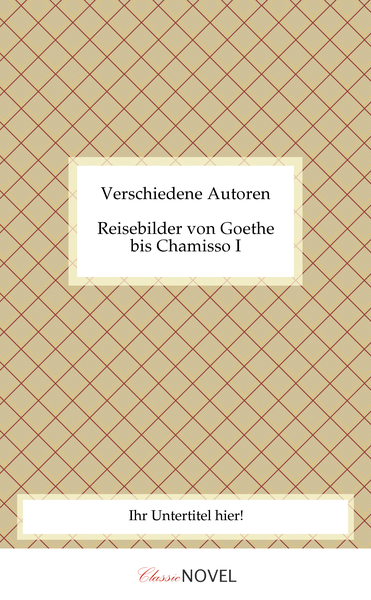
Unlike generic fiction, this anthology offers a unique blend of travel, history, and literature, making it stand out as a culturally significant keepsake. The curated selection of renowned authors adds depth and prestige.
Not ideal if May not appeal to those who prefer contemporary or light reading.

Unlike generic greeting cards, this kit empowers the recipient to create their own designs, adding a unique, artistic flair. The stained-glass effect elevates the final product beyond typical papercraft.
Not ideal if A hands-on papercraft kit; skip it for a friend without the time or taste for crafting.
Where to shop
Click any shop to preview what they offer.
A modest creative kit stays low-stakes and easy to send without demanding a response, matching a first reach toward reconnection.
Ships worldwide
Browse Craft Buddy ShopStaying simple and safe avoids overreaching all at once, which fits a gift meant to open a door rather than declare the relationship fixed.
Ships worldwide
Browse Hey HappinessConsumable and gourmet, the treat carries warmth without asking the recipient to interpret deep meaning in it, low-pressure by nature.
Ships worldwide
Browse TruffleHunterSmall and low-key, a plant is a hopeful gesture rather than a grand declaration, which suits reaching out without overpromising.
Ships across Europe
Browse Be.Green Plant DesignQuestions people ask
What do you get someone you haven't spoken to in years?
Something that doesn't require you to have kept up with who they've become. Consumables, a small plant, or jewellery personalised with a fact rather than a memory all work, because none of them assume a closeness that hasn't been rebuilt yet. Avoid anything leaning on shared history you can no longer verify is accurate.
Is it too soon to give a gift when you're just starting to reconnect with a parent?
There's no universal rule against it, and in most of the markets this guide covers, a modest birthday gift is a normal, low-pressure way to mark a reconnection. The exception is Germany, where timing matters more than the gesture itself: nothing should arrive before the actual birthday. Outside of that, the bigger risk isn't timing, it's scale, a gift too big for how new the contact still is.
What if they don't respond to the gift, or reject it?
Rejection is rare, silence is common, and the two aren't the same thing. A non-response usually reflects the recipient's own uncertainty about how to react, not a verdict on you. If a reply never comes, the gesture still did what it was meant to do: it left the door unlocked, without requiring anyone to have walked through it yet.
How much should I spend on a gift for someone I don't currently have a relationship with?
Spend about what you'd normally give a parent on their birthday. Your own usual amount is a better guide than any published figure. Spending noticeably more can read as compensation for lost time, which several of the cultures this guide covers actively discourage. Staying moderate isn't cutting corners, it's the more credible signal.
What gifts are too personal or presumptuous for an estranged parent?
Anything built from a childhood photo, a family recipe, or old handwriting, since these presume a level of nostalgia and resolution the relationship hasn't reached yet. The same goes for anything requiring you to supply deeply personal content, like a child's drawing or a family photo, because it assumes closeness on your side too. Stick to what's factual: a birthdate, an initial, a general interest you're fairly confident hasn't changed.
Should I include a note or card, and what should it say?
A short one, yes. In the UK and Ireland a card is expected as part of the form, even if the message inside is brief. Keep it forward-looking, not explanatory: a single warm line does more good than several that try to account for the silence. Save the longer conversation, if it happens at all, for an actual conversation, not a birthday card.
You started this not knowing whether you wanted your parent back in your life, and that's likely still true. This guide hasn't tried to resolve that, and a gift won't either. What it can do is exist as one small, honest gesture: sent, complete, asking nothing back. Whatever happens next happens on its own timeline, and it was already worth doing before you know how it lands.
Euphora helps you find the right gift — with tailored recommendations, gift guides, and specialist retailers we've vetted ourselves.