Christmas Gifts for a Parent With Dementia: A Guide by Stage, Not Age
You've probably already sensed that this isn't like buying for anyone else on your list. Somewhere between the tree going up and the cards getting written, a thought arrives that you don't say out loud: is this the year they won't know what's inside the box. That thought is exhausting to carry alone, and it's the reason an ordinary Christmas task turns into something much heavier. This guide won't pretend an object can hold back what's changing. It will help you choose something that reaches your parent as they are now, at whatever stage they're at, without asking more of them than they can give, and it will tell you plainly what to skip, which is why this guide is more direct than most about what doesn't work.
The grief you're not allowed to name at a gift shop
Most gift guides assume the hardest part of Christmas shopping is finding stock. For a parent with dementia, the hardest part happens before you open a single tab: naming, even privately, that you're grieving someone who is still in the room. That's not a maudlin add-on to the task, it's the actual emotional weight of it, and pretending otherwise makes every decision after it harder than it needs to be.
The fear underneath a search like this one usually isn't really 'what should I buy.' It's a fork: choose something too advanced and you're confronted with what the disease has taken; choose something too simple and it can feel like you've already filed your parent under 'diagnosis' rather than 'person.' Either way, the gift becomes evidence of loss instead of a moment of connection. Once you see that fork, it's easier to aim between the two: something built from who they've always been, sized to who they are now.
One clarification, especially if your family has roots in Ireland: a gift for a parent who is still here is not the same occasion as a bereavement gesture, and shouldn't borrow its language or symbols, even loosely. A Mass card, for instance, belongs to a different, much more final moment. Keeping that line clear isn't just etiquette, it protects your parent, and you, from sending a message neither of you intends.
In the UK, £31 to £50 is the typical spend on a parent's Christmas gift, a useful anchor if you're unsure whether you're under or overdoing it. Wherever you are, the fewer, better instinct fits this situation naturally: one considered object beats three uncertain ones.
Their age isn't the number that matters here, their stage is
Resist the instinct to shop by what your parent used to love and buy accordingly, a new crime novel because they always read, golf accessories because they always played. Interests from before the diagnosis are real and worth honouring, but the format they arrive in needs to match where your parent is now, not three years ago.
A useful way to sort this: if your parent can still follow a simple task with company and enjoys twenty focused minutes of something, lean toward shared, hands-on activity. If conversation and fine motor tasks have become harder, lean toward pure sensory comfort, texture, scent, familiar taste, things that ask nothing of them to work. If they're somewhere in between, personal keepsakes that use everyday routines they still perform, drinking tea, wearing something, tend to land well without demanding anything new. None of these categories require you to correctly diagnose a clinical stage. They require you to notice, honestly, what your parent can currently do without frustration, and choose accordingly.
Why a song from 1962 reaches further than anything new
Familiar songs and textures often work when a new gadget does not. A record from someone's early twenties, a fabric they've always reached for, a scent they've worn for decades, none of it depends on memory functioning correctly to be felt. Novelty, by contrast, asks for exactly the kind of processing dementia makes hardest: unfamiliar shapes, new instructions, an interface to figure out.
This is also why 'dementia gift' marketing so often misses. Products built around the diagnosis tend to look childish, oversized buttons, primary colours, cartoon packaging, because they're designed around a category rather than a person. An adult who's spent sixty years choosing their own textiles and music doesn't stop having that taste because recall has narrowed. The better bet is almost always an adult object that happens to work without memory, not an object built to announce that memory is gone.
One clear no in the UK: skip white lilies or all-white arrangements altogether. They carry strong funeral associations there, and in a season already carrying extra weight around a parent's health, that symbolism lands harder than it would in an ordinary gift. If flowers feel right, choose colour, or better, something preserved that won't wilt or need tending.
The wrapping paper isn't where the gift happens
If your parent is in a later stage, the object matters less than what you do with it. A candle lit together, a photo turned page by page, a cup of tea poured while you sit rather than dropping by, these work because they use the object as an occasion for time rather than treating the unwrapping as the whole event. Handing something over and leaving shortly after is the single most common mistake families make here, not because the gift was wrong, but because the moment around it was too short to register.
This also answers a question a lot of readers are quietly asking: is it even worth buying something for a parent who may not remember it by evening. Yes, and the reason has nothing to do with recall. A calm ten minutes, a hand resting on soft fabric, humming along to a familiar tune, none of it needs to be remembered afterward to have mattered while it was happening. Measure the gift by what it does in the room, not by what survives once you've left.
Every parent's dementia looks different, and a generic list can only go so far. Tell us more about where your mum or dad is right now and we'll help narrow it down.
AI reads what you write; our code then picks the gifts. How it works
When your sister thinks you're overthinking a chocolate box
You may be the only one in the family who's thought this hard about it, and that can create its own quiet friction. A sibling might reach for a generic supermarket toiletry set because it's easy, or push for something expensive to compensate for guilt about visiting less. Neither is wrong exactly, but both miss the actual brief: dignity, not diagnosis, and thoughtfulness, not spend. In Ireland especially, a gift that looks showy for the sake of it can cause more discomfort than delight, the local instinct runs toward restraint over display. You don't need to win an argument about this at Christmas dinner. You need one clear sentence ready: 'I chose this because it doesn't ask them to remember anything, it just gives them something nice to notice,' which tends to end the conversation faster than a debate about taste ever would.
A related caution, worth stating plainly: choose objects designed for adults, not for the condition. Anything that reads as a toy, oversized dials, cartoon packaging, a therapy gadget with a manual, treats your parent as a diagnosis first. A well-made cushion, a real cup, a photograph, treats them as who they still are.
Euphora earns a commission when you buy through these links, at no extra cost to you. How we're paid
Picked and ranked for fit to a parent at Christmas. Written by Eudora, reviewed by Euphora's founder before publication. Full method: how we choose and rank.
Gift ideas

A stainless steel necklace with a gold-plated circle pendant, engraved with a child's own drawing, handwriting, or message, far more personal than generic jewellery.
Not ideal if Needs a child's drawing, handwriting sample, or short message to engrave before you can order.

Personalised Crystal Art Canvas — 40×22cm Landscape (Mounted)
£29.99from Craft Buddy ShopShips internationallyUnlike generic art prints, this canvas is customised with a personal photograph, making it a deeply sentimental and unique keepsake. The use of crystal gems adds a luxurious, sparkling finish.
Not ideal if Long processing time (4-6 weeks) may not suit last-minute gifts.

Unlike mass-produced baubles, these are mouth-blown from recycled glass with an aged patina, giving them a unique, heirloom feel. The antique burgundy color and velvet ribbon add a luxurious touch that stands out in festive decor.
Not ideal if Fragile glass may require careful handling; color may not suit all decor schemes.
More gift ideas

The selection of rare British cheeses sets this apart from standard gift boxes, offering a truly artisan and memorable tasting experience.
Not ideal if Perishable; may not suit those with dietary restrictions or lactose intolerance.
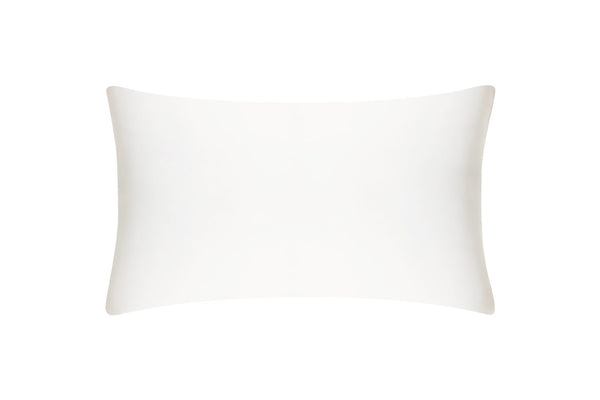
Mulberry silk is one of the most premium natural fibres, known for its durability and lustrous finish. The handcrafted process ensures a unique, high-end product.
Not ideal if Silk requires gentle care, which may not suit all recipients.

Unlike generic baubles, these are hand-hammered by artisans using traditional techniques, ensuring each piece is unique. The brass material and velvet ties add a touch of luxury and durability.
Not ideal if Not suitable for households with very young children due to small parts.
Cash and gift vouchers are a common safe gift, but they assume the recipient can manage money independently. That's exactly the assumption dementia removes, which is a good reason to depart from the usual 'safe' choice this year without it being a snub to tradition.
Where to shop
Click any shop to preview what they offer.
Printing a favourite photo onto the wrapper turns something familiar into a small, gentle recognition prompt, not a new thing to figure out.
Ships across Europe, plus Australia, Canada and New Zealand
Browse Cadbury Gifts DirectPersonalising the canvas with her name keeps the activity simple and hands-on, the kind of shared, low-pressure task that suits the earlier stages.
Ships worldwide
Browse Craft Buddy ShopEngraving her name onto something she wears daily gives her an anchor to hold onto, quiet recognition rather than a new object to learn.
Ships worldwide
Browse Hey HappinessGood, simple food asks nothing of her beyond the pleasure of it, exactly the register this stage calls for.
Ships worldwide
Browse TruffleHunterQuestions people ask
What gifts are appropriate for someone with dementia?
The honest answer is 'it depends on their stage,' but the shortcut that holds up across most stages: choose sensory comfort, familiar taste, or personal content over anything built around the diagnosis or requiring new skills. If you're stuck, size the gift to twenty unhurried minutes together rather than to a moment of surprise.
What should you avoid buying for someone with dementia?
Skip anything requiring a password, remote control, or manual, and alcohol if they're on medication or have swallowing difficulties. In the UK, skip white lilies or all-white arrangements too: they carry funeral associations there. In an Irish household, be careful not to let the gesture drift toward a bereavement custom like a Mass card, which belongs to a different, more final occasion entirely.
How do you choose a Christmas gift for a parent with dementia?
Start by asking whoever sees them day to day, a carer, a partner, care home staff, what's been holding their attention recently: a certain song on the radio, a texture they keep touching, a food they still ask for. That current-week observation is a better guide than anything from their pre-diagnosis wish list.
What are good sensory gifts for dementia patients?
Anything that reaches one sense cleanly, soft fabric against the hands, a scent they've always worn, music from their early adulthood, tends to outperform anything visual and complex like a puzzle or screen. The test isn't 'will they understand it,' it's 'will they feel it.'
Is it worth buying a gift for someone in late-stage dementia who won't remember it?
Yes, though it helps to release the idea of a thank you as proof it worked. Success here often looks like your parent's hand staying on a soft cushion a little longer than expected, or humming without being asked to. That's the win, even if there's no memory of it by teatime.
What can I get for a dementia caregiver at Christmas, not just the person with dementia?
Don't forget whoever's doing the daily care, a spouse, a sibling, paid carers. A gift that gives them an hour off, a meal delivered, or a voucher for something entirely for themselves acknowledges a load that's easy to overlook when all the attention goes to the parent.
The version of your parent who chose their own records, brewed their own tea just so, picked out cushions without a second thought, that person is still shaping every choice you make this Christmas, even from a distance. You're not replacing them with a diagnosis-appropriate substitute. You're translating what they've always loved into a form that reaches them today. That's not a smaller kind of love than the years before it. It's just a more careful one.
Euphora helps you find the right gift — with tailored recommendations, gift guides, and specialist retailers we've vetted ourselves.