Confirmation Gifts When You're Not Religious Yourself
You love your niece. You're just not sure you believe in the reason everyone's gathering for her confirmation, and that gap is making a simple gift feel complicated. Should you buy something with religious symbolism to fit in? Skip the day's meaning entirely and hand over cash? Neither choice actually solves the problem, because the problem isn't what you believe. It's what she'll remember about who showed up for her. This guide separates the two: what her family's tradition actually asks of you, which turns out to be less than you think, and what a good confirmation gift looks like. Expectations, and the going rates, differ by country more than you'd guess.
Top picks for UK delivery
Euphora earns a commission when you buy through these links, at no extra cost to you. How we're paid
- Rose Gold Cross Lariat Necklace with Zirconia StonesShips internationally

The cross-shaped charm and zirconia stones set this necklace apart from generic lariat designs, adding a layer of symbolism and sparkle. A delicate 925 sterling silver lariat necklace with a cross-shaped charm, adorned with sparkling zirconia stones.
Not ideal if The cross design may not suit those with secular preferences.
View at Hey Happiness · €79.90 - Fantasy Novel for Young Adults: Die MagieraShips across Europe

Unlike typical young adult novels, this book combines a richly imagined magical kingdom with themes of identity, family, and courage. The protagonist’s journey from an orphan to a powerful magician resonates emotionally, making it stand out in the fantasy genre.
Not ideal if The fantasy genre may not appeal to all readers, particularly those who prefer realistic or contemporary stories.
View at PersonalNOVEL · €31.99 - No One Is Too Small to Make a Difference: Illustrated EditionShips to UK

The illustrated format makes this edition of Greta Thunberg's speeches more accessible and engaging, particularly for younger readers. It stands out as both a powerful message and a visually appealing book.
Not ideal if The subject matter may be polarising for some recipients.
View at Bookshop.org · £14.24
Picked and ranked for fit to a niece for their confirmation. Written by Eudora, reviewed by Euphora's founder before publication. Full method: how we choose and rank.
Prices from the shops' feeds, 19 October 2026.
Across GB, Ireland, Germany, and the Netherlands
The honest starting point is that three of the four countries in this guide have almost no documented tradition around what an aunt or uncle gives for confirmation specifically. Ireland is the outlier: Confirmation and First Communion are both cash occasions there, and godparents give more than aunts and uncles. The UK, Germany, and the Netherlands don't have anything close to that level of established custom, at least not one that shows up in the research. That's not a gap you need to worry about closing. If you're giving in one of those three countries, there's no secret rule you're missing. The absence of a rule is the finding.
None of this turns on what you personally believe. Your niece isn't asking you to affirm a creed, she's asking you to show up and not make the day about you. Separating the sacrament from the celebration means you can be fully present for her milestone, generous with your attention and your gift, without a single element of it requiring you to endorse anything you don't hold to be true.
Customs in Ireland
Ireland
Confirmation in Ireland is genuinely a financial event, not just a spiritual one. Between First Communion and Confirmation, the cash a child receives from the wider family can add up to a large sum. As an aunt or uncle, you're not expected to compete with that total. The bigger sums usually come from godparents and the wider family network. Giving well below what the family would expect from you risks looking like an afterthought, given how central cash-in-card is to the day. But giving well above it carries its own risk here: Irish social custom has a name for showing off relative to the occasion, 'notions', and a lavish gift from an aunt can draw that judgment as easily as a stingy one. Restraint, oddly, is the generous move.
Customs in the UK
UK
UK confirmation research doesn't isolate a specific gift norm the way Ireland's does. What exists points to general family-milestone giving, often in the £30-50 range, with a card expected and a gift receipt considered completely normal rather than insulting. Confirmation in Britain tends to run lower-key than Ireland's paired Communion-Confirmation economy: a single modest, well-chosen keepsake or a card with cash inside covers what's expected. If you're filling an actual coin purse or wallet as the gift, tuck a coin inside before you hand it over. It's a small superstition about not gifting someone empty luck, and it costs you nothing to observe.
Customs in Germany
Germany
Germany complicates things before you've even chosen a gift, because 'confirmation' isn't one ceremony here. Firmung is the Catholic rite, Konfirmation is the Protestant equivalent, and Jugendweihe is a secular coming-of-age tradition entirely separate from either, more common in the former East. Work out which one applies to your niece's family before you buy anything, since the wrong frame of reference can make the whole gift feel off, even if the item itself was fine. No confirmation-specific gift figure exists in available research for Germany, but general German gift culture leans toward restraint: cash or a Gutschein is genuinely popular and low-pressure, and over-generosity can create Verpflichtung, an uncomfortable sense of obligation that the recipient's family now owes you something in return.
Customs in the Netherlands
Netherlands
Confirmation carries less cultural weight in the Netherlands than in Ireland or Germany. No sourced figure exists for what an aunt or uncle typically gives here either. What does carry over from broader Dutch gift culture is zuinigheid, a frugality norm that treats an ostentatious gift with the same suspicion the Irish reserve for notions. A modest, considered gift outperforms an expensive one in the Netherlands more reliably than almost anywhere else in this guide.
Confirmation & First Communion (Ireland)
Cash in a card is the default and rarely questioned. A One4All gift card is a widely accepted stand-in if you'd rather not choose a specific shop. If you're adding a physical gift alongside the cash, keep the wrapping and retailer in the same register as the amount, since mismatched presentation, a lavish shop bag around a modest gift, or the reverse, reads as either performative or careless.
If flowers are any part of your gift or its presentation, skip white lilies in the UK, where they read as funeral flowers. Beyond that, flower meanings vary from country to country, so ask a local florist if you're unsure. None of this is confirmation-specific superstition. It's the general rule in each country, and it applies here as much as anywhere.
Don't give a knife, a letter opener, a pocketknife, or anything else with a blade, even as a small accessory to a larger gift. An old British superstition, fading but not gone, holds that a sharp object 'cuts' the relationship, and some families ask for a token coin in exchange to cancel it out. It's easier to leave blades off the list entirely for a gift like this.
Ireland, Germany, and the Netherlands each have their own word for the same social trip-wire. Ireland calls an overly showy gift 'notions'. Germany calls the discomfort of an overly generous gift Verpflichtung, a sense of obligation it creates in the recipient's family. The Netherlands calls the opposing virtue zuinigheid, a frugality norm that treats restraint as the correct default. All three converge on one piece of advice: if you're unsure whether to round the gift up or down, round down. A modest gift reads as considered far more reliably than an expensive one reads as generous.
Beyond cash, the safest gift format is something personal and lasting rather than something devotional. Think jewellery she'd choose for herself, an engraved keepsake with her initials or the date, or a contribution to a savings account. What suits her depends heavily on where she is in the confirmation age range: a First Communicant around eight or nine still wants something that feels like a treat, while a fourteen-year-old Konfirmand or Jugendweihe teenager is closer to wanting grown-up jewellery or an experience she'd pick out herself. Match the gift to her actual age, not to the ceremony's formal age bracket.
The mistake worth naming directly: buying something overtly religious, a rosary, an engraved cross, a devotional book, purely to look like you're participating fully. If you don't hold the belief, handing over that object usually feels worse for you than skipping it would, and it doesn't make the day more meaningful for your niece. The equal and opposite mistake is going pointedly secular as a kind of statement, or skipping the occasion altogether because attending a religious service feels like endorsement. Your niece isn't measuring your theology. She's noticing whether you showed up.
Treats they wouldn't add to their own basket
Small luxuries that feel like a reward — the kind of thing they'd enjoy but would talk themselves out of buying.
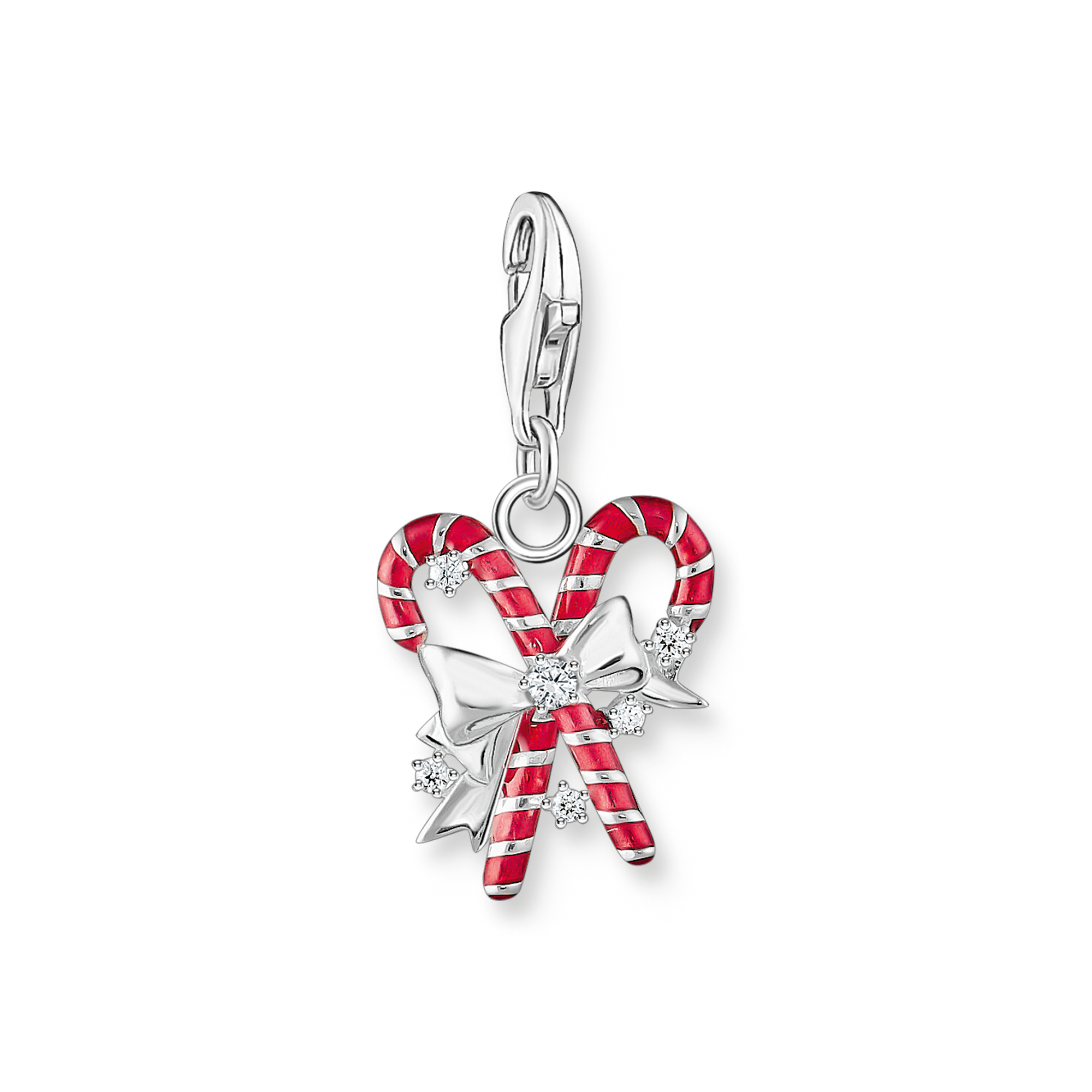
The 3D candy cane design and sparkling stones set it apart from generic charms, offering a unique blend of whimsy and elegance. A 3D silver charm pendant shaped like two candy canes, hand-painted with red enamel and adorned with sparkling stones, designed for charm bracelets or necklaces.
Not ideal if May not appeal to those who prefer minimalist or non-seasonal jewellery.

Includes 144 high-quality papers and a detailed instruction book, making it a comprehensive starter kit. The variety of projects ensures long-lasting engagement.
Not ideal if May not appeal to those who prefer digital or less hands-on hobbies.

Combines the relaxing nature of crafting with the satisfaction of creating a vibrant, shimmering artwork. A complete crystal art craft kit featuring a pre-printed canvas template mounted on a wooden frame, with resin gems, jelly wax, pick-up pen, and storage supplies.
Not ideal if May not appeal to those who prefer less hands-on gifts.
Still not sure what fits your niece and her family's version of this day? Tell us about her and we'll match something appropriate for your budget and region.
AI reads what you write; our code then picks the gifts. How it works
Where to shop
Click any shop to preview what they offer.
A creative kit sidesteps the whole question of belief entirely, a gift about her interests rather than a statement either way.
Ships worldwide
Browse Craft Buddy ShopEngraving her name or birth flower onto something she'll wear marks the occasion as hers specifically, without touching on faith at all.
Ships worldwide
Browse Hey HappinessQuestions people ask
Is it rude to give a non-religious gift for a confirmation?
No. The occasion celebrates your niece reaching a milestone within her family's tradition, and your presence and generosity are what register, not whether the gift itself carries any religious content. A well-chosen, secular gift reads as thoughtful, not as a statement about your beliefs, provided it still matches the occasion's format and scale in her family's country.
How much money should I give for a confirmation?
It depends entirely on where the confirmation is happening. In Ireland it's a cash occasion, and aunts and uncles give less than godparents. In the UK, Germany, and the Netherlands, there's no sourced confirmation-specific figure, so a general family-milestone gift, something in the region of £30-50 or the local equivalent, is a reasonable proxy rather than a guaranteed norm.
What do you write in a confirmation card if you're not religious?
Keep it about her, not the ceremony's theology. A line about how proud you are of the person she's becoming, or a specific memory that shows you know her, works better than trying to write something spiritually appropriate you don't actually mean. Nobody rereads the card looking for doctrine, they're looking for warmth.
What's a good confirmation gift for a teenage niece?
At the older end of the confirmation age range, teenagers generally respond better to a piece of jewellery or a keepsake that feels like a grown-up choice rather than a themed 'confirmation gift,' something she'd wear or keep regardless of the occasion that prompted it. An engraved item with her initials or the date adds a personal touch without adding any religious content.
Are confirmation gifts different in Germany or the Netherlands?
Yes, starting with terminology. Germany has three separate ceremonies that get lumped together in casual conversation: Firmung (Catholic), Konfirmation (Protestant), and Jugendweihe (secular). Work out which applies before choosing anything. In the Netherlands, the weight a family gives confirmation varies a great deal. In either country, ask the parents what is usual before settling on an amount.
Should I give cash or a physical gift for confirmation?
In Ireland, cash in a card is close to mandatory. A physical gift alone can read as under-considered given how central money is to the day there. In the UK, Germany, and the Netherlands, either works: cash or a voucher is safe and low-pressure, while a modest physical keepsake works just as well if you know her taste. When in doubt, a small physical token alongside cash covers both bases.
You started out worried that your beliefs, or the lack of them, would somehow leak into your niece's day. They won't, not if you keep your attention on her rather than on the theology. Get the country's norm roughly right, skip anything that asks you to perform a faith you don't hold, and show up. That's the whole job, and it was always smaller than it felt.
Euphora helps you find the right gift — with tailored recommendations, gift guides, and specialist retailers we've vetted ourselves.