Eid and Diwali Gifts for a Colleague Who Doesn't Share the Faith
You've noticed the sweets appearing in the break room, or you've been invited to an Eid celebration, and now you're stuck between two anxieties: showing up empty-handed feels careless, and getting it wrong feels worse. That hesitation is the right instinct, not a flaw to fix. This guide won't turn you into an expert on someone else's faith. It'll show you what a colleague-level gesture can safely include, what belongs to the celebration rather than to you, and how to size something between £10 and £30 so it reads as sincere instead of performative.
Top picks for UK delivery
Euphora earns a commission when you buy through these links, at no extra cost to you. How we're paid
- Mulberry Silk Hair Ties Set in Neutral TonesShips internationally
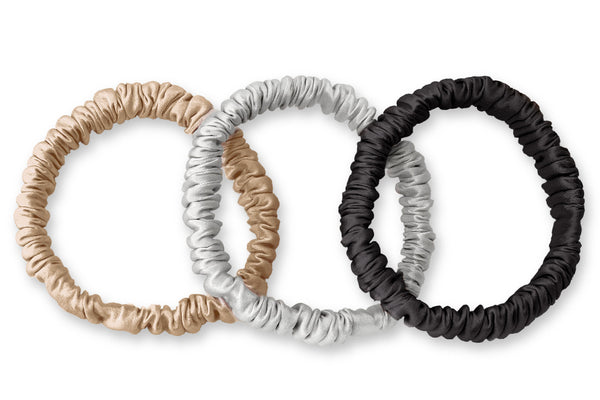
Mulberry silk is a premium material that reduces hair damage, making this a standout alternative to standard hair ties. The neutral tones ensure versatility for any wardrobe.
Not ideal if May not appeal to those who prefer bold or colorful accessories.
View at Mayfairsilk · £25 - Dark Emerald Recycled Glass Tealight Holders SetShips to UK

The hand-blown recycled glass and hammered texture set these tealight holders apart from mass-produced alternatives. The dark emerald hue adds a touch of elegance and warmth, making them a standout piece for any home.
Not ideal if Glass is fragile; may not suit households with young children or pets.
View at nkuku · £25 - Bound: 15 Beautiful Bookbinding ProjectsShips to UK

Unlike generic craft books, this guide offers step-by-step projects with templates, making it accessible for beginners while still engaging for intermediate crafters. A practical craft guide featuring 15 step-by-step bookbinding projects, from simple pamphlet stitching to more advanced hardcover techniques.
Not ideal if May not appeal to those who prefer digital or pre-made journals.
View at Bookshop.org · £19
Picked and ranked for fit to a colleague celebrating Eid or Diwali. Written by Eudora, reviewed by Euphora's founder before publication. Full method: how we choose and rank.
Prices from the shops' feeds, 19 October 2026.
The Question Under the Question
Here's something most guides on this topic won't tell you: Eid and Diwali are kept differently from one family, community and country to the next. A general guide, this one included, has no insider knowledge of your colleague's specific practice, family, or background. Your colleague's own practice is the guide. Pretending otherwise is the mistake worth avoiding.
The honest starting point: a gift from a colleague outside the faith is a bonus, not an obligation. Nobody expects it, and skipping it causes no offence. If you'd like to mark the occasion, a card that names the holiday correctly, said aloud or written down, already does most of the work. 'Eid Mubarak' or 'Happy Diwali, hope you enjoy the celebrations' costs nothing and carries real warmth. A gift on top of that is a genuine plus, not a requirement you're failing to meet.
Alcohol is the one line worth double-checking without being asked. Liqueur-filled chocolates, wine, or boozy truffles are an easy default for a 'nice' gift, and they're the single most common misstep colleagues make when giving to a Muslim colleague at Eid. Plain milk or dark chocolate, with nothing alcohol-based on the ingredient list, removes the guesswork entirely.
The Gift Category That Rarely Goes Wrong
Think in categories, not specifics. Food, plants, and neutral stationery sit in what's worth calling the shared-human lane: things any adult accepts regardless of belief. Religious or ritual objects sit in a different lane entirely, one that belongs to the colleague's own community rather than to you. A diya bought as a Diwali gift, a prayer mat, or anything carrying religious script looks appropriately festive on a shelf, but it assumes a familiarity with practice that an outsider gift shouldn't claim.
Leather is a quieter version of the same trap. Cow leather carries religious weight for many Hindu families, so a wallet or journal that reads as a safe, professional gift in most contexts becomes a genuine misstep here. None of this needs research into your specific colleague's beliefs. It just means picking categories that stay clear of religious practice altogether.
In Britain, office Secret Santas often set a cap of around £10 to stop anyone going overboard. Ireland has a word, 'notions,' for a gift that shows off. Germany talks about avoiding Verpflichtung, the sense of obligation a lavish gift creates. The Netherlands treats workplace gifts as slightly unusual to begin with and values zuinigheid, a kind of practical restraint, over generosity for its own sake. Four countries, four different words, one shared rule: modest reads as respectful in a colleague relationship. That happens to be exactly the register an interfaith gesture needs too.
Eid Isn't One Holiday
Eid al-Fitr marks the end of Ramadan's month of fasting: a lighter, celebratory occasion built around sweets, family visits, and new clothes. Eid al-Adha, roughly two months later, commemorates a story of sacrifice and centres on charity and sharing meat with those in need, carrying more religious weight and a more solemn tone. For a colleague-level gift, the difference matters less for what you buy than for how you frame it: food remains a safe choice for both, but treating Eid al-Adha as merely festive misses its charitable core. Naming the correct occasion, rather than defaulting to a generic 'happy Eid,' does more work than an elaborate gift ever could.
Diwali runs on customs entirely its own. Family and friends exchange mithai, boxed dry fruits, and sometimes new clothes, rooted in the festival's association with prosperity and renewal. None of that is a template for a colleague-level gesture, and copying it risks looking like an imitation rather than a considered choice. A good-quality box of chocolates or a gourmet pantry item sits outside that tradition entirely, which is exactly why it works: it doesn't compete with what your colleague's family will already be sharing, and it simply says you noticed the occasion.
Still not sure which register fits your specific colleague? Tell us a little about them and we'll narrow the list to what actually suits your situation.
AI reads what you write; our code then picks the gifts. How it works
Your Office's Own Habits Are a Better Guide Than You'd Think
If you're in Britain, you likely have some precedent to lean on: workplace diversity calendars increasingly mark Eid and Diwali, and colleagues have started bringing in sweets or cards as a matter of course. If you're in Germany or the Netherlands, that precedent barely exists yet, so you're improvising without an established script to copy. That's uncomfortable, but it isn't a sign you're doing something wrong.
In the Netherlands specifically, Eid and Diwali are already lived realities inside Moroccan, Turkish, Indonesian, and Surinamese communities, and many colleagues blend those traditions with the country's own Sinterklaas customs. Your gesture doesn't need to invent a new custom. It just needs to follow the modest, low-key register your own office already uses for other occasions.
If a card or note feels safer than a gift alone, avoid pairing it with flowers. In the UK, white lilies and all-white arrangements carry funeral associations, an easy trap if you're grabbing something last-minute from a supermarket bouquet section. It's a rule from the giver's own culture, not a confirmed cross-faith taboo, but it costs nothing to sidestep.
Small and Sincere Beats Big and Considered
The gesture works best when it's handed over simply. 'Happy Diwali, hope the celebrations go well' or 'Eid Mubarak,' said while placing something on a desk, does more than a longer explanation of why you chose it or what you learned while researching. Over-explaining turns a small kindness into a demonstration, and your colleague ends up managing your effort instead of just receiving a gift.
Keep the price modest, in line with whatever else your office spends on colleague-to-colleague gestures, and let the accuracy of naming the right holiday do the work a bigger gift can't.
Everyday upgrades they'd never buy themselves
Better versions of things they reach for daily but never prioritise — the kind of gift that quietly improves a routine.

Stands out due to its comprehensive coverage of fire engines worldwide, combining technical details with historical context. The illustrated format makes it accessible and engaging.
Not ideal if May not appeal to those outside the niche interest of firefighting or engineering.
Treats they wouldn't add to their own basket
Small luxuries that feel like a reward — the kind of thing they'd enjoy but would talk themselves out of buying.

The mineral-rich flakes and earthy truffle flavor set it apart from standard salts, offering a unique gourmet experience. The single-origin provenance adds a story to every dish.
Not ideal if Truffle flavor may not appeal to all palates; best suited for recipients who enjoy gourmet or umami-rich foods.
Infused with turmeric and ginger, this honey offers unique flavors and health benefits, setting it apart from standard honey gifts. Two 340g jars of premium infused honey with turmeric and ginger flavors, presented as a gift set.
Not ideal if Allergies to honey or spices may be a concern; not suitable for vegans or those avoiding sugar.
Where to shop
Click any shop to preview what they offer.
Good food crosses the line between colleagues without needing to say anything about faith at all, the safest register there is.
Ships worldwide
Browse TruffleHunterA soap set stays firmly practical and neutral, easy to give without it reading as a comment on their beliefs.
UK, US
Browse Scottish Fine SoapsChocolate is the low-pressure, universally welcome choice that doesn't require knowing their customs in detail.
Ships across Europe, plus Australia, Canada and New Zealand
Browse Cadbury Gifts DirectTheir own range already treats colleague gifts as a normal, safe occasion, so a small engraved piece doesn't read as overreach.
Ships worldwide
Browse Hey HappinessQuestions people ask
Is it appropriate to give a Diwali or Eid gift to a colleague if I'm not Hindu or Muslim?
Yes. It's a welcome bonus, not an obligation. Nobody expects a gift from a colleague outside their faith, so a warmly worded card naming the correct holiday is a complete gesture on its own if you'd rather not buy anything.
What do you give a Muslim colleague for Eid?
Stay in the food lane: alcohol-free sweets or a neutral pantry item work well for both Eid al-Fitr and Eid al-Adha. Avoid anything religious in imagery, and check that any chocolate or confectionery doesn't list alcohol among its ingredients.
Is it okay to give food or alcohol as a gift to someone who might keep halal or avoid alcohol?
Food is fine, and it's actually the safest category available to an outsider. Alcohol itself, even hidden in filled chocolates or liqueur truffles, is the one ingredient worth checking for before you buy.
Do you say 'Happy Diwali' or 'Eid Mubarak' to a colleague, and is that different from giving a gift?
Saying it costs nothing and works as a complete gesture on its own. A gift is additive, something you choose to do on top of the greeting, not a requirement that replaces it.
What's the difference between Eid al-Fitr and Eid al-Adha for gifting purposes?
Eid al-Fitr closes the month of Ramadan and carries a lighter, celebratory tone. Eid al-Adha centres on sacrifice and charity and carries more religious weight. Naming the correct one matters more for a colleague gift than what's actually inside it.
How much should I spend on a colleague's religious holiday gift without it feeling like a big gesture?
Match whatever your office already spends on colleague-to-colleague gestures, typically somewhere around £10 to £20 across these markets, rather than setting a new, higher bar just for this occasion.
The hesitation that brought you here, wanting to get this right without making a scene of it, is itself the right instinct. A colleague who notices you named the holiday correctly, kept the gift modest, and didn't turn the moment into a lesson will feel exactly what you intended: seen, without being put on the spot. That's a good gift, whatever's inside the box.
Euphora helps you find the right gift — with tailored recommendations, gift guides, and specialist retailers we've vetted ourselves.