Get Well Soon Gifts That Actually Help
You want to do something and you can't fix what's actually wrong. That gap between caring and helplessness is where most get-well gifts go wrong: they try to compensate for the illness with flowers, size, or price, when what your friend actually needs is matched to the very specific, very unglamorous reality of where they are right now. This guide sorts get-well gifts for a close friend by recovery stage, hospital bed, home sofa, or the longer stretch of chronic illness, because those three situations call for genuinely different things.
A hospital bed, a sofa, and a chronic diagnosis are three different problems
A two-night hospital stay for appendicitis and six months of chemotherapy get lumped into the same search: get well soon gift. They're not the same problem. A hospital bed has no room for a vase, and plenty of hospitals restrict fresh flowers on wards for infection control anyway. The bouquet you spent twenty minutes choosing might end up left at the nurses' station. Home recovery gives back some space and usually some appetite, so a self-care ritual that would've been useless in a hospital bed starts to make sense. Long-term or chronic illness is a different shape of problem: your friend isn't recovering toward a fixed date, they're managing something ongoing, and a single gift, however well chosen, reads as a one-off gesture for a situation that isn't going anywhere.
Ask yourself one question before anything else: hospital, home, or long haul. The answer changes what the gift can ask of them, whether scent matters, and how much space it's allowed to take up.
Skip flowers altogether if you're unsure. Red roses signal romance, not friendship, and in the UK, white lilies carry funeral associations. None of this is really about flowers being wrong; it's about them being one of the few gifts with a genuine wrong answer built in, so a moss ball, a small potted plant for home recovery, or simply no flowers at all removes the risk entirely.
The checklist that matters more than how thoughtful the gift feels
Three questions do more work than any amount of thoughtfulness: can this go in a hospital locker, will it survive a ward round, and does it ask them to eat, smell, or assemble anything they might not have the capacity for right now. Bedside tables in most hospitals hold about as much as a small tray, so anything bulkier than a paperback becomes clutter someone else has to manage. Scented candles, strong lotions, and perfume are an easy default and a genuine risk: nausea and headaches are common during treatment, and a lovely smell can turn a good gift into an unwelcome one within a day.
Food carries its own version of this problem. Grapefruit interacts with several common medications, rich or sugary hampers can sit untouched if appetite or taste has changed, and a restricted diet during treatment makes an elaborate food gift a gamble rather than a treat. If you're not certain what they can eat, ask a family member rather than the friend directly. It's not a lack of trust in your judgement, it's removing a guess you were never given enough information to make safely, and it spares your friend having to manage your uncertainty on top of their own.
Comfort or entertainment: match the gift to their energy, not their diagnosis
A dense novel and an audiobook solve the same boredom problem, but only one of them works when concentration comes and goes. Passive entertainment, something they can pick up and put down without losing the thread, respects how illness actually affects attention: not absent, just unpredictable. A craft kit or a puzzle book asks more of them on a good day and sits untouched on a bad one, which is fine as a long-term-recovery gift and a mismatch for the first week of anything acute.
The same logic applies to comfort items. A soft cushion cover or a plain mug that upgrades a hospital chair or a sofa cushion asks for zero engagement: it just sits there being nicer than what was there before. That's often worth more than something that requires them to do anything at all, including thank you properly.
If in doubt, pick unscented. Lip balm, a plain mug, or an unscented lotion all skip the nausea risk entirely, and none of them ask your friend to enjoy a specific smell on a day when smell might be working against them.
Euphora earns a commission when you buy through these links, at no extra cost to you. How we're paid
Picked and ranked for fit to a close friend recovering from illness. Written by Eudora, reviewed by Euphora's founder before publication. Full method: how we choose and rank.
Gift ideas

The key-shaped pendant stands out for its symbolic meaning and elegant design, combining sterling silver with zirconia for a touch of sparkle. The choice of finishes adds versatility.
Not ideal if Jewellery preferences vary; ensure the recipient enjoys delicate, symbolic pieces.

The use of crystal gems to create a sparkling mosaic sets this apart from standard photo prints, adding a luxurious and eye-catching element to the artwork. A custom crystal art canvas that transforms your personal photograph into a sparkling mosaic using round crystal gems.
Not ideal if The bespoke nature means it requires time to create and deliver.

Unlike generic greeting cards, this kit empowers the recipient to create their own designs, adding a unique, artistic flair. The stained-glass effect elevates the final product beyond typical papercraft.
Not ideal if A hands-on papercraft kit; skip it for a friend without the time or taste for crafting.
More gift ideas

Unlike generic notebooks, this book is specifically designed to document and celebrate friendship, making it a unique and personal gift. Its compact size and hardcover design ensure it’s both practical and durable.
Not ideal if A reflective keepsake rather than a practical item — a weaker fit if the friend prefers useful gifts over sentimental ones.
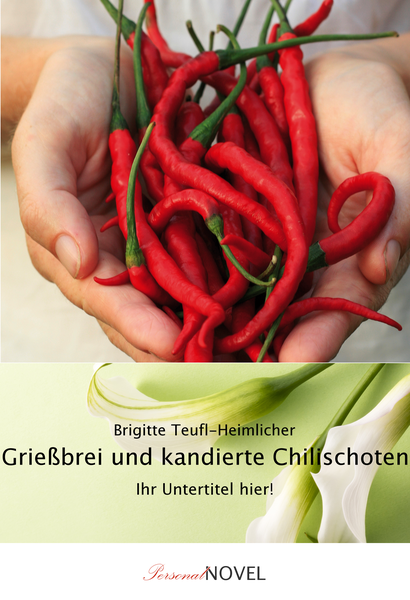
Unlike typical romance novels, this book includes 20 original recipes, blending storytelling with culinary creativity. The setting—a restored castle-turned-cooking school—adds a unique charm.
Not ideal if May not appeal to non-readers or those who prefer non-fiction.

The classic typography and city/country name elevate it from a generic mug to a sentimental piece. The mix-and-match design encourages collecting multiple cups for a curated display.
Not ideal if Fragility of fine bone china may be a concern.
Hospital stay or home recovery? Tell us where your friend is and we'll match gifts to that, not just the occasion.
AI reads what you write; our code then picks the gifts. How it works
For a friend who isn't getting better on a schedule
Chronic illness breaks the usual gift logic entirely. There's no discharge date to send flowers toward, no single moment when the crisis passes and life resumes, so one thoughtful parcel can start to feel insufficient against a situation that isn't going anywhere. The fix isn't a bigger gift. It's a repeated one: a small delivery every few weeks, a standing plan to check in on a specific day, or a gift that gives them something to return to rather than something to finish.
A repetitive, low-stakes activity works well here in a way it wouldn't in the first acute days, when concentration is thin and energy goes toward just getting through. Weeks or months into an ongoing illness, a slow project they can pick up for ten minutes or two hours suits the rhythm of chronic fatigue far better than a single bouquet ever could.
What to skip, and why it matters more than what you choose
A get-well card that says 'you'll be back to normal in no time' assumes a timeline nobody actually gave you. That's harmless for a short illness. For a friend managing something longer, it can land as pressure to perform recovery on schedule, or worse, as proof you haven't been paying attention to what they've actually told you. Say something true instead: that you're thinking of them, that there's no rush, that you're around whenever they want company or quiet.
Overspending carries a similar risk. Across Ireland, the Netherlands, and Germany, three separate cultural instincts, discomfort with showing off, a preference for frugality, and an aversion to gifts that create obligation, all point the same direction: restraint reads as genuine care between close friends, and an expensive gesture isn't generosity to a friend who's already stretched, it's an obligation they now have to carry. A modest, well-matched gift beats an impressive one that puts them in your debt.
If a friend or their family says they don't want gifts right now, take it at face value rather than a polite deflection. It's a real preference in plenty of households, and respecting it, maybe with a card or a message instead, often lands better than a gift they then have to find space for.
Where to shop
Click any shop to preview what they offer.
Chocolate comfort that's easy to share on the ward
Ships across Europe, plus Australia, Canada and New Zealand
Browse Cadbury Gifts DirectQuestions people ask
What should you not bring to someone in hospital?
Fresh flowers are the biggest risk: many hospitals restrict them on wards for infection control. Even where they're allowed, some flowers carry funeral meanings, such as white lilies in the UK. Strong scents, candles, and heavy lotions can trigger nausea or headaches during treatment. Skip bladed gift sets too, and check before sending food, since restricted diets and medication interactions like grapefruit make even a nice hamper a genuine gamble.
What is a good get well soon gift?
The best get-well gifts ask nothing of the person receiving them: no assembly, no strong scent, nothing that requires energy they might not have. A soft textile upgrade for wherever they're resting, a quiet keepsake, or a small treat they can enjoy in seconds all outperform anything elaborate. Match it to whether they're in hospital, at home, or managing something longer, since that changes what actually helps more than the occasion does.
What do you get someone recovering from surgery at home?
Home recovery opens up options a hospital stay doesn't: there's more space, often a returning appetite, and enough privacy for a proper self-care ritual once they're steady enough to enjoy one. A comfort item for the sofa, a small gourmet treat once dietary restrictions have eased, or a low-stakes hobby they can pick up in short bursts all suit this stage better than anything aimed at the acute first days.
Is it OK to send flowers to a hospital?
Check first. Plenty of wards restrict fresh flowers for infection control, and even where they're allowed, certain flowers carry unfortunate associations. In the UK, white lilies read as funeral flowers, and some hospitals do not accept flowers at all, so check with the ward first. A soil-free plant or a flower-adjacent alternative sidesteps the entire question, and it works far better for home recovery than for a ward anyway.
How much should you spend on a get well soon gift for a friend?
Somewhere between £15 and £30, or €20 to €40, covers most close-friend get-well gifts comfortably. There's no fixed tradition here the way there is for birthdays, but the cultural instinct across Ireland, Germany, and the Netherlands points the same way: restraint reads as genuine care, and an unusually generous gift can create a sense of obligation your friend doesn't have the energy for right now.
What can I send to cheer up a friend who is sick if I can't visit?
Anything shippable and low-effort works: a comfort item for wherever they're resting, a small keepsake, or a treat that needs no assembly. If you're sending across borders, remember GB sits outside the EU, so a UK-to-Netherlands or Germany-to-Ireland parcel may involve longer delivery windows than shipping within one country. A card or a message alongside it goes a long way when you can't be there in person.
You still can't make them better. But the gap between wanting to help and actually helping is smaller than it feels: match the gift to the hour they're actually in, and you've done more than you think. Get that right once, and you can get it right again next week, which matters more than any single gift ever could.
Euphora helps you find the right gift — with tailored recommendations, gift guides, and specialist retailers we've vetted ourselves.