How to Buy a Gift for a Friend Who Doesn't Want Things
You've already worked out that a candle in a linen pouch won't cut it. Your friend spent the last two years getting rid of exactly that kind of thing, and now you're standing there trying to find something they'd actually want to keep, or better, something they wouldn't have to keep at all. This guide won't hand you a list of 'minimalist-coded' objects. It'll help you work out which kind of minimalist your friend actually is, and match the gift to that person specifically, from consumables that vanish after use to the rare upgrade they'd never buy themselves.
Top picks for UK delivery
Euphora earns a commission when you buy through these links, at no extra cost to you. How we're paid
- Slate Plinth Display StandShips across Europe

The natural slate material and handcrafted finish set this plinth apart from mass-produced display stands, offering a unique, earthy elegance.
Not ideal if Fragile if mishandled; may not suit those who prefer bold or colourful decor.
View at Be.Green Plant Design · €45 - Handcrafted Banana Leaf LampshadeShips to UK

Unlike mass-produced lampshades, this piece is handcrafted from banana leaves, offering a one-of-a-kind texture and natural warmth. Its organic surface diffuses light beautifully, creating a soft, ambient glow that enhances any room.
Not ideal if Fragile material may require careful handling, and its natural texture might not suit ultra-modern or minimalist interiors.
View at nkuku · £40 - Cream Glazed Stoneware Cup & Saucer SetShips to UK

The reactive glaze ensures no two pieces are identical, making it a standout compared to mass-produced tableware. Oversized cup and saucer in cream glazed stoneware with organic shape, reactive glaze, and hand-painted detailing.
Not ideal if Fragility of ceramic and stoneware may require careful handling.
View at nkuku · £30
Picked and ranked for fit to a close friend, just because. Written by Eudora, reviewed by Euphora's founder before publication. Full method: how we choose and rank.
Prices from the shops' feeds, 20 October 2026.
Two very different friends share the word 'minimalist'
'Minimalist' covers two genuinely different people, and mixing them up is how a gift ends up in a donation bag within the month.
The aesthetic minimalist has edited their home down to what they love, and they'll happily accept one more object if it's better than what it replaces: the good mug instead of the chipped one, a single sculptural piece instead of a shelf of trinkets. Philosophical minimalists edited for a different reason entirely. They want less, full stop, and a new object undoes the work they've put in, however nice it is. When a friend says they don't want gifts, take them at their word rather than reading it as a polite protest.
Wanting fewer, better things is not a fringe preference your friend invented to be difficult. Most gift guides haven't caught up: they still default to 'minimalist-coded' objects like linen pouches and capsule-wardrobe trinkets, which solve the aesthetic of minimalism without asking which kind of minimalist is standing in front of you.
Restraint isn't just tolerated here, it's often preferred. In Ireland, a gift that looks like it's trying too hard risks 'notions', the social penalty for showing off. In Germany, spending too much on an unprompted gift can create Verpflichtung, a felt obligation to reciprocate that makes the recipient genuinely uncomfortable. A well-chosen £15 item beats a poorly-chosen £30 one in every market this guide covers.
Why the gifts on this list are built to get used up
Every category on this list had to pass one test: does it get used up, replaced, or shared, rather than kept? Consumables pass automatically. A jar of something excellent, a candle that burns to nothing, a bottle that's opened and gone by the end of the evening, none of it asks your friend to find a place for it afterwards.
This solves the actual tension in generous gift-giving for a minimalist friend. Your instinct is to be generous, and generosity usually means volume: more, bigger, an extra something thrown in. But your friend's whole framework rewards restraint, so a generous gesture executed the normal way reads as a small violation of what they've worked to build. A consumable gift lets you be genuinely generous, splash out on something they'd never buy for themselves, without it becoming one more thing they own.
In Germany and the Netherlands, gifts are typically opened on the spot, in front of you. Skip the elaborate wrapping and focus on making the reveal itself worth the moment: a candle that fills the room the second the lid comes off does more work than a bow ever will.
The version they'd never buy for themselves
Aesthetic minimalists keep the good-enough version of things indefinitely. The chipped mug stays in rotation for years, and the thin robe gets patched instead of replaced. They're not being frugal exactly, they've just never let themselves prioritise an upgrade over something that still technically works, and that's precisely the gap a close friend can fill.
Pay attention before you buy. What do they reach for every single morning, and what have they mentioned needing to replace, months ago in passing? The upgrade play only works if it replaces a specific object you've actually clocked them using, not a generic 'nice thing' in the same category. Buy the wrong version and you've just added a second mug to the cupboard, which is the exact outcome this whole guide is trying to avoid.
Everyday upgrades they'd never buy themselves
Better versions of things they reach for daily but never prioritise — the kind of gift that quietly improves a routine.
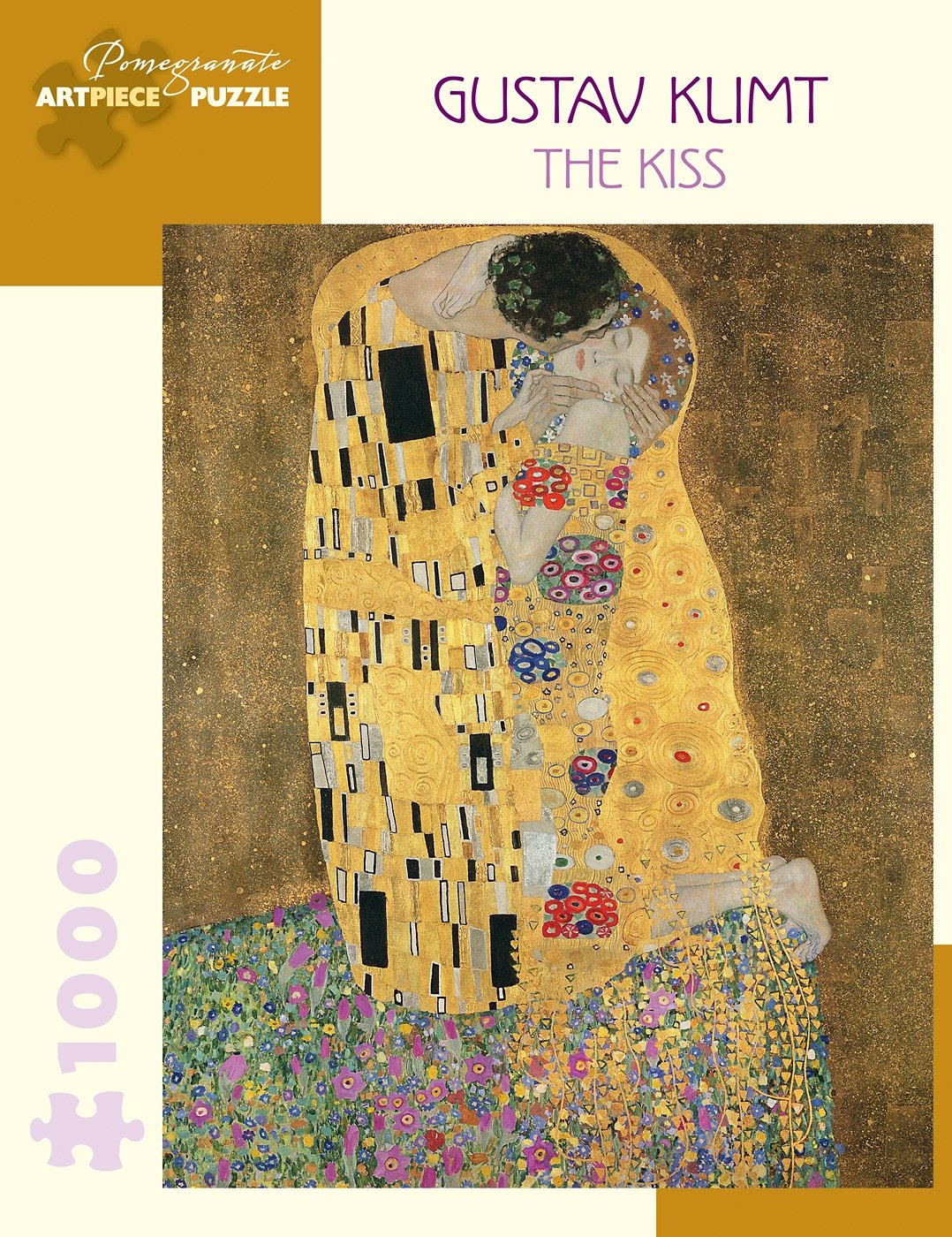
The iconic "The Kiss" artwork elevates this puzzle from a simple game to a collectible piece, blending art appreciation with interactive fun. A 1000-piece jigsaw puzzle featuring Gustav Klimt's iconic "The Kiss" painting, with its distinctive gold leaf and ornamental detail.
Not ideal if 1000 pieces may be too challenging for beginners; puzzle may not appeal to those who dislike repetitive tasks.
Treats they wouldn't add to their own basket
Small luxuries that feel like a reward — the kind of thing they'd enjoy but would talk themselves out of buying.

Preserved Black Truffle Selection — Minced, Slices & Sauce
£49.95from TruffleHunterShips internationallyThe set includes three distinct truffle products, offering versatility in cooking. A luxury gift set containing three preserved black truffle products: minced truffle in olive oil, 2mm slices in brine, and a rich truffle sauce (Tartufata).
Not ideal if Perishable; requires refrigeration.

The blend of Vermentino and Sémillon, combined with the winery’s Provence heritage, offers a unique and approachable white wine with Mediterranean charm.
Not ideal if Alcohol content; not suitable for non-drinkers.
Not sure if your friend is the upgrade type or the 'give me nothing' type? Tell us about them and we'll narrow it down.
AI reads what you write; our code then picks the gifts. How it works
When one object earns a place instead of taking one
There's a narrow category of physical gift that still works for the aesthetic minimalist: a single, self-contained object that doesn't ask anything of them. Not a set, not a collection, one thing, chosen well enough that it earns the shelf space it takes up.
This only works for one camp. Skip it entirely for the friend who wants nothing tangible at all, and go back to consumables or presence-based gifts instead. For the one who kept a few beautiful things when they pared down, a single deliberate object can genuinely land, especially one that requires no upkeep, no soil, no watering schedule they didn't ask for.
The most common mistake with presence-based gifts (a letter, a planned day, a photo book) is treating them as the cheap fallback when nothing else works. They're not lesser than a physical gift, but they do need the same specificity: a vague 'let's catch up soon' voucher lands nowhere near as well as a planned afternoon built around something you know they'd actually enjoy.
Presence as its own category, not a consolation prize
For the friend who's opted out of physical objects almost entirely, the most generous gift you can give is your attention, planned in advance and specific to them. Write a letter that names an actual memory, not a greeting-card sentiment. Book an afternoon around something they'd genuinely enjoy, with the plan made and the tickets bought before you mention it. A photo book of a trip you took together works too, technically an object, but one that holds memory rather than clutter.
In Ireland, the card that comes with a gift often carries as much weight as the gift itself, sometimes more. That's worth remembering here: the handwriting, the specific line about why you chose what you chose, does real work. In Germany, gift-givers often downplay even a considered gift as 'nur eine Kleinigkeit', just a small thing, a self-deprecating gesture that's part of the presentation, not an accurate description. Don't mistake a presence-based gift for a low-effort one just because there's no box to wrap. It usually takes more thought than the box would.
Where to shop
Click any shop to preview what they offer.
Chocolate disappears rather than sitting on a shelf, the one gift a minimalist never has to find room for.
Ships across Europe, plus Australia, Canada and New Zealand
Browse Cadbury Gifts DirectA bottle gets opened and finished, leaving nothing behind for someone who already owns exactly what they want to own.
Ships across Europe
Browse 8wines UKSomething genuinely unusual from the range works as a consumable indulgence rather than one more object to store.
Ships worldwide
Browse TruffleHunterQuestions people ask
What do you get a minimalist who doesn't want anything?
Start with whether they mean it literally. If your friend has explicitly said no gifts, especially if they're Dutch, take it at face value rather than shopping around it. If it's more a general 'I don't need stuff' than a hard no, a consumable or a planned afternoon together almost always lands better than a compromise object bought to look restrained.
Are experience gifts good for minimalists?
Usually, with one catch: they take more coordination than an unprompted 'just because' gesture naturally allows. If you've got the lead time to book something specific to what they enjoy, yes. If you're buying today for tomorrow, a consumable will get you further than a generic voucher promising an experience 'someday'.
What are good consumable gifts for someone who doesn't want stuff?
Anything genuinely excellent that gets used up: a premium ingredient they'd never buy for a normal Tuesday, a candle that burns down to nothing, a single good bottle instead of a case. The test isn't the price, it's whether the object still exists in six months.
Is it okay to give a minimalist friend a gift at all?
Yes, as long as the gift matches how they've actually structured their life rather than what 'minimalist' generically looks like in a shop window. A gift that gets used, drunk, or worn down to nothing isn't the clutter they've opted out of, it's the opposite of it.
What's a good gift for someone who is decluttering their home?
Skip anything that becomes a new item to sort, however small. A gift card toward a service they'd use, a cleaner, a meal kit, a class, or a genuinely excellent consumable respects the process they're mid-way through, rather than adding one more decision to it.
How much should I spend on a gift for a close friend?
It depends more on the market than you'd think. Irish and Dutch friends tend to read a visibly expensive gift as trying too hard, and in Germany overspending can create a genuine, if unspoken, sense of obligation to reciprocate. Across all four, a well-chosen item at the lower end consistently beats a generic one at the top.
You started this looking for proof that a close friendship can solve a problem generic gift guides can't. It can, but not by finding the one perfect 'minimalist' object. It's by paying attention to which kind of minimalist you're actually buying for, and picking something that gets used, drunk, worn thin, or remembered rather than dusted. That's not a lower bar than a beautifully wrapped box. It's a harder one, and you've already cleared it just by asking the right question.
Euphora helps you find the right gift — with tailored recommendations, gift guides, and specialist retailers we've vetted ourselves.