Gifts for Someone Who Says They Don't Want Anything
They've said it every year, and every year you've bought something anyway, just to be safe. That's not a failure of imagination. It's a sign you've been solving the wrong problem. This guide isn't a workaround for 'I don't want anything.' It's a way to work out which of several different things they actually mean by it, and then match the gift to that reason instead of to your own guilt about turning up on Christmas Day with empty hands. Done right, it costs less than you'd think and fits in a stocking, not a debt they'll feel they owe you back next year.
Top picks for UK delivery
Euphora earns a commission when you buy through these links, at no extra cost to you. How we're paid
- Little Women: Deluxe Edition with Handwritten Replica LettersShips to UK
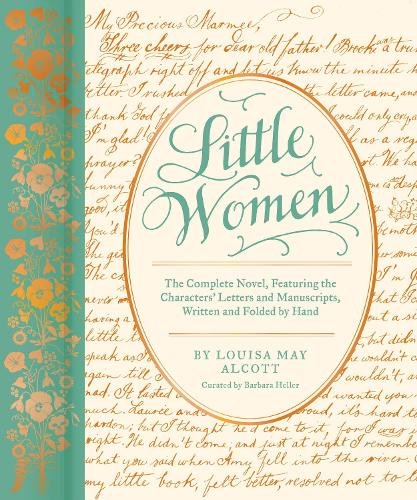
Unlike standard reprints, this edition includes hand-folded replica letters and manuscripts from the characters, turning the reading experience into an immersive, collectible artifact.
Not ideal if Only appeals to those who already love or want to explore Little Women; the delicate paper inserts could be fragile with heavy handling.
View at Bookshop.org · £28.50 - Travel Memories JournalShips internationally

Its structured 27-trip format with dedicated space for photos and tickets sets it apart from a blank notebook, turning it into a genuine long-term memoir rather than a one-off journal.
Not ideal if Works best for a recipient who already travels and journals; the bright, playful cover leans away from minimalist taste.
View at Papersmiths · £25 - Engraved Fine Bone China Mug with Love & Friendship QuotesShips internationally

The laser-engraved quotes about love and friendship set this mug apart, making it a sentimental and durable keepsake rather than a generic drinkware item.
Not ideal if Engraved quotes may not resonate with all recipients.
View at Design Letters · €24
Picked and ranked for fit to family at Christmas. Written by Eudora, reviewed by Euphora's founder before publication. Full method: how we choose and rank.
Prices from the shops' feeds, 20 October 2026.
Before you buy anything, work out which 'nothing' you're dealing with
People say 'I don't want anything' for at least four different reasons, and each one calls for a different gift, sometimes an opposite one. The genuine minimalist means it as a settled fact about how they live: they've made peace with owning less and a new object registers as a small inconvenience rather than a kindness. The person mid-decluttering, after a house move or a hard year, means it as a temporary state; they're not against gifts on principle, they're against more stuff arriving right now. Meanwhile, the conventional refuser is performing a script. In Britain that script has a name: the 'oh, you shouldn't have' ritual, where both people know the protest isn't literal. And then there's the gift-fatigued relative, worn down by a string of past mismatches, who's really saying 'please don't guess again.' Treating all four the same way, usually by defaulting to an experience voucher or a novelty item, is the single most common reason these gifts miss. Ask yourself which one you're actually looking at before you look at a single product.
In Britain, 'oh, you shouldn't have' is a recognised piece of theatre. Both sides know it's not a real objection, and taking it at face value reads as not making an effort rather than as respecting a boundary. If your family member has said 'I don't want anything' every year and then opened whatever you got them without complaint, there's a decent chance you're dealing with this script rather than genuine conviction.
For the one who means it: buy things that disappear
If you've concluded this is a genuine minimalist, the rule is narrow and worth following exactly: never introduce a new category of object into their life. No new gadget, no new ornament, no new item that needs a shelf. What works instead is a consumable, or a better version of something they already use daily, olive oil, wine, coffee, a small food upgrade. It disappears through use rather than sitting as a thing to be grateful for, which is precisely what makes it land. There's a wider shift behind this too: more people are choosing fewer, better things over volume, and second-hand or locally made gifts framed honestly, 'I found this and thought of you', carry real weight rather than reading as an afterthought. The mistake to avoid here is compensating with scale. A large hamper doesn't prove more thought than a small jar; it just proves you didn't trust the small gesture to be enough.
For the one who's just being polite: keep it small enough that it doesn't need repaying
Family Christmas exchanges run on unspoken reciprocity rules, and an oversized gift for someone who's said they want nothing doesn't read as generous, it reads as a debt. In Britain, spending noticeably above what's typical for the relationship (roughly £20-40 for a family member in this position) can tip 'oh, you shouldn't have' from polite fiction into genuine discomfort. In Ireland, there's a sharper word for it: notions, the social penalty for a gesture that's bigger or fancier than the moment calls for. Reliable research on a specific Irish family-Christmas figure is thin, so treat that £20-40 range as a useful floor rather than gospel, and let the specificity of the choice do the work the price tag isn't supposed to. A small, clearly personal gift, one that answers something true about how they actually live, beats an expensive but generic one every time, and it doesn't leave them scrambling to match it next December.
If you're buying from Britain for family in Ireland, or the reverse, factor in that the two countries sit in different customs territories since Brexit; cross-border parcels can pick up delivery delays or charges that a domestic order wouldn't. And if you're a GB-based buyer sending to Irish family, skip anything wrapped in Union Jack branding or 'British Isles' framing. It's a minor thing that can needlessly sour an otherwise well-chosen gift.
Treats they wouldn't add to their own basket
Small luxuries that feel like a reward — the kind of thing they'd enjoy but would talk themselves out of buying.

The combination of six distinct product lines — from Heroes and Roses tins to a stocking and Wine Gums — gives real quantity and variety compared to a single box, making it feel substantial rather than token.
Not ideal if Wine Gums typically contain gelatine which may not be suitable for vegetarians or those with dietary restrictions; the sheer volume of sweets may not suit health-conscious recipients.

Stands out with its braided stem and air-purifying qualities, offering both aesthetic appeal and functional benefits.
Not ideal if Size may be impractical for small spaces.

The selection of rare British cheeses sets this apart from standard gift boxes, offering a truly artisan and memorable tasting experience.
Not ideal if Perishable; may not suit those with dietary restrictions or lactose intolerance.
The 'clever workaround' gift is usually the one that gives you away
There's a specific trap most people fall into after their first attempt gets rejected: hunting for something that technically isn't 'a thing', an experience voucher, a gadget, a joke item, anything that dodges the letter of 'I don't want anything' without addressing why they said it. If their objection was about clutter, a gadget still clutters. If it was about not wanting new obligations, a class or an experience voucher just adds a date to their calendar they now have to plan around. The workaround proves you found a technicality, not that you listened, and recipients notice the difference even when they can't articulate it. The fix isn't a cleverer category, it's going back to the diagnosis. A loophole gift is a gift chosen to satisfy the giver's conscience rather than the recipient's actual life.
Still unsure whether to override their 'nothing, please', or how firmly they mean it? Tell us about them and we'll match something to the actual reason, not just the budget.
AI reads what you write; our code then picks the gifts. How it works
Sometimes 'nothing' really is the honest answer, and that's fine
There's a version of this problem where the correct response is no object at all, and choosing it deliberately isn't the same as choosing it out of laziness. If you've genuinely worked through the diagnosis and landed on 'they mean it, fully, no residual social script attached', the honest move is a card that says something specific, not a generic seasonal line, plus your actual time on the day. Name what you appreciate about them this year, something true and current, not a stock phrase. Show up, help with the washing up, stay the extra hour. That's not a consolation prize for failing to find a gift; for this specific recipient, it's the gift that fits, and it's the one option in this whole guide that costs nothing and creates zero debt in either direction.
Start earlier than you would for a normal Christmas list, six to eight weeks out rather than the first week of December. Working out which kind of 'nothing' you're dealing with, and finding something specific enough to prove it, takes longer than grabbing a gift card on the way to the family gathering. The rush is exactly what pushes people back toward loophole gifts and generic sets.
Where to shop
Click any shop to preview what they offer.
Chocolate gets eaten and gone, a small sincere gesture that never turns into another thing they have to find room for.
Ships across Europe, plus Australia, Canada and New Zealand
Browse Cadbury Gifts DirectA good bottle gets opened and finished, so it never becomes one more thing sitting on a shelf they're trying to keep clear.
Ships across Europe
Browse 8wines UKSomething from the range gets used in the kitchen and disappears, never lingering as clutter they didn't ask for.
Ships worldwide
Browse TruffleHunterQuestions people ask
What do you get someone who says they don't want anything for Christmas?
Start by working out why they said it rather than what to buy. A settled minimalist needs a consumable or an upgrade to something they already use. Someone mid-declutter needs the same, plus patience. Someone performing polite refusal needs something small and specific enough to prove you listened, not a bigger gift. Get the diagnosis right first and the product choice gets much easier.
Why does my mum or dad say they don't want a Christmas present?
It's rarely one thing. Some parents are genuinely trying to reduce what's in the house, especially after downsizing. Others are performing a familiar ritual protest that both of you understand isn't literal. And some have been burned by mismatched gifts before and are lowering their expectations rather than risking another one. Watch how they've reacted in past years, not just what they said, for the real signal.
Should I get a gift for someone who explicitly said not to?
In most British and Irish families, yes, but scaled right down. Taking the request fully literally and turning up with nothing can still read as not caring, even to someone who meant it. A small, specific gesture respects the spirit of the request while still marking the day.
What are good small or consumable gifts that won't add clutter?
Anything that gets used up rather than kept: good coffee or wine, a specialty food item, a bath or grooming product they'd normally buy the cheaper version of. The test isn't the category, it's whether the object exists in their home a month later. If it doesn't, it passed.
Is it rude to ignore someone's request for no gifts?
Scale matters more than whether you comply at all. Ignoring the request with a small, thoughtful gesture is generally read as care in both Britain and Ireland. Ignoring it with something large or showy is where it becomes a problem, particularly in Ireland, where an oversized gift for a low-key ask can read as showing off rather than generosity.
What's a good gift for someone who has everything?
That's a different problem to this one, worth separating clearly. 'I don't want anything' is usually about values or circumstance, modesty, decluttering, or fatigue with mismatched gifts. 'I have everything' is about material abundance and calls for a different kind of search, one focused on rarity or experience rather than restraint.
The instinct that got you here, that guilt about turning up empty-handed, was never wrong. It just pointed you at the wrong fix. The right gift for someone who says they want nothing was never about finding a clever exception to what they asked for. It's about proving you paid enough attention to know which kind of 'nothing' you were hearing, and small enough that it never turns into a bigger phrase like 'you shouldn't have.' If you get that part right, don't expect a big reaction. Expect a quiet pause, and then, weeks later, an empty jar or a worn pair of earrings, which is exactly what it was supposed to look like.
Euphora helps you find the right gift — with tailored recommendations, gift guides, and specialist retailers we've vetted ourselves.