Gifts for Someone Who Has Everything
You've been scrolling gift guides for twenty minutes and every single pick is a gadget you already know they'd quietly return. That's not a failure of imagination on your part. It's because most 'has everything' lists assume the problem is finding an object your friend doesn't own, when the real issue is that they've already bought the good version of everything they'd want. This guide works from a different premise: five categories that don't compete with their own shopping, from consumables to a properly planned afternoon of your time, calibrated to a £20 to £80 budget. Somewhere in here is the thing they'd never let themselves buy.
Top picks for UK delivery
Euphora earns a commission when you buy through these links, at no extra cost to you. How we're paid
- Mistborn Trilogy Boxed SetShips to UK

Brandon Sanderson is a beloved author in the fantasy genre, and the Mistborn trilogy is one of his most acclaimed works. The boxed set adds a collectible appeal.
Not ideal if Only suitable for those who enjoy fantasy or have expressed interest in the genre.
View at Bookshop.org · £41.79 - Cactus KokedamaShips across Europe

The kokedama technique sets this apart from typical potted plants, offering a soil-free, artistic presentation. Its self-contained design makes it easy to care for and display.
Not ideal if Requires occasional watering and indirect sunlight.
View at Be.Green Plant Design · €35 - Cream Glazed Stoneware Cup & Saucer SetShips to UK

The reactive glaze ensures no two pieces are identical, making it a standout compared to mass-produced tableware. Oversized cup and saucer in cream glazed stoneware with organic shape, reactive glaze, and hand-painted detailing.
Not ideal if Fragility of ceramic and stoneware may require careful handling.
View at nkuku · £30
Picked and ranked for fit to a close friend, just because. Written by Eudora, reviewed by Euphora's founder before publication. Full method: how we choose and rank.
Prices from the shops' feeds, 20 October 2026.
Your friend isn't hard to please. They're hard to surprise.
Being hard to please and being hard to surprise are different problems, and gift lists conflate them constantly. Your friend has reached a specific stage: steady income, developed taste, low tolerance for clutter, and a habit of replacing things before they wear out rather than waiting to be given a replacement. None of that makes them ungrateful. It just means any object you could think to buy, they've probably already considered and either bought or deliberately passed on.
The mistake is treating this as an escalation problem: reach for something pricier, more premium, more 'them' than what they already own. That instinct is exactly what search results for this phrase are built to serve, and it's backwards. If they can match or beat your object-based gift with their own money and better information about their own taste, the contest is already lost before you start shopping. The win isn't a better object. It's a different kind of thing, something they wouldn't buy for themselves even though they could, because it falls outside how they normally spend.
Three separate cultures land on the same rule for exactly this brief. The Irish have a word, notions, for the discomfort of an obviously showy gift. Germans call the felt obligation to reciprocate an expensive present Verpflichtung. The Dutch call financial restraint zuinigheid, treated as a genuine value rather than a compromise. All three are pointing at the same trap: spending more to compensate for someone's abundance reads as presumptuous, wherever your friend lives.
Stop shopping in the category they've already mastered
Most 'gifts for someone who has everything' lists are secretly all one category: objects. A nicer version of a thing, a gadget solving a problem nobody asked about, a boxed set that becomes shelf clutter within a month. None of it works, because objects are the exact category this person already shops well in.
Five categories sit outside that pattern. Consumables get used up and leave nothing behind to store or eventually donate. Time is yours to give and can't be pre-empted by their own shopping. Services do a chore or an indulgence they'd never book for themselves. Experiences create a memory instead of an object. Donations in their name work well when the person genuinely doesn't want more stuff of any kind. Not every category fits every friend, but running through all five before reaching for an object changes what you buy.
What £20 to £80 actually buys, category by category
The awkward truth about this budget: it's too high for a throwaway novelty and too low for the genuinely rare object your friend would consider special. That squeeze is real, but it mostly disappears once you're spending in the right category instead of the wrong one.
At the low end, twenty to thirty pounds buys a properly unusual bottle from a small, unfamiliar region, or a hands-on craft kit that gives someone an evening's project rather than another object to find room for. In the middle, thirty-five to fifty covers specialty ingredients built around something they already cook with, or a small, well-made keepsake picked for their specific style rather than a generic jewellery default. At the top of the range, sixty to eighty is enough for one indulgent, full-size version of something they'd normally talk themselves out of: a fragrance, a rare bottle, or a proper meal out.
This roughly matches what close friends across Britain, Ireland, Germany and the Netherlands spend on each other outside big occasions. Go noticeably higher and the gift starts to read as compensation for their affluence rather than a considered gesture. In Ireland, Germany and the Netherlands specifically, restraint isn't a budget compromise. It's the correct register.
The upgraded-gadget instinct is the easiest trap in this whole exercise. Giving a nicer version of something they already own says 'you need this.' A good gift here says 'you'd enjoy this' instead, and that gap between utility and indulgence is the whole game.
Everyday upgrades they'd never buy themselves
Better versions of things they reach for daily but never prioritise — the kind of gift that quietly improves a routine.
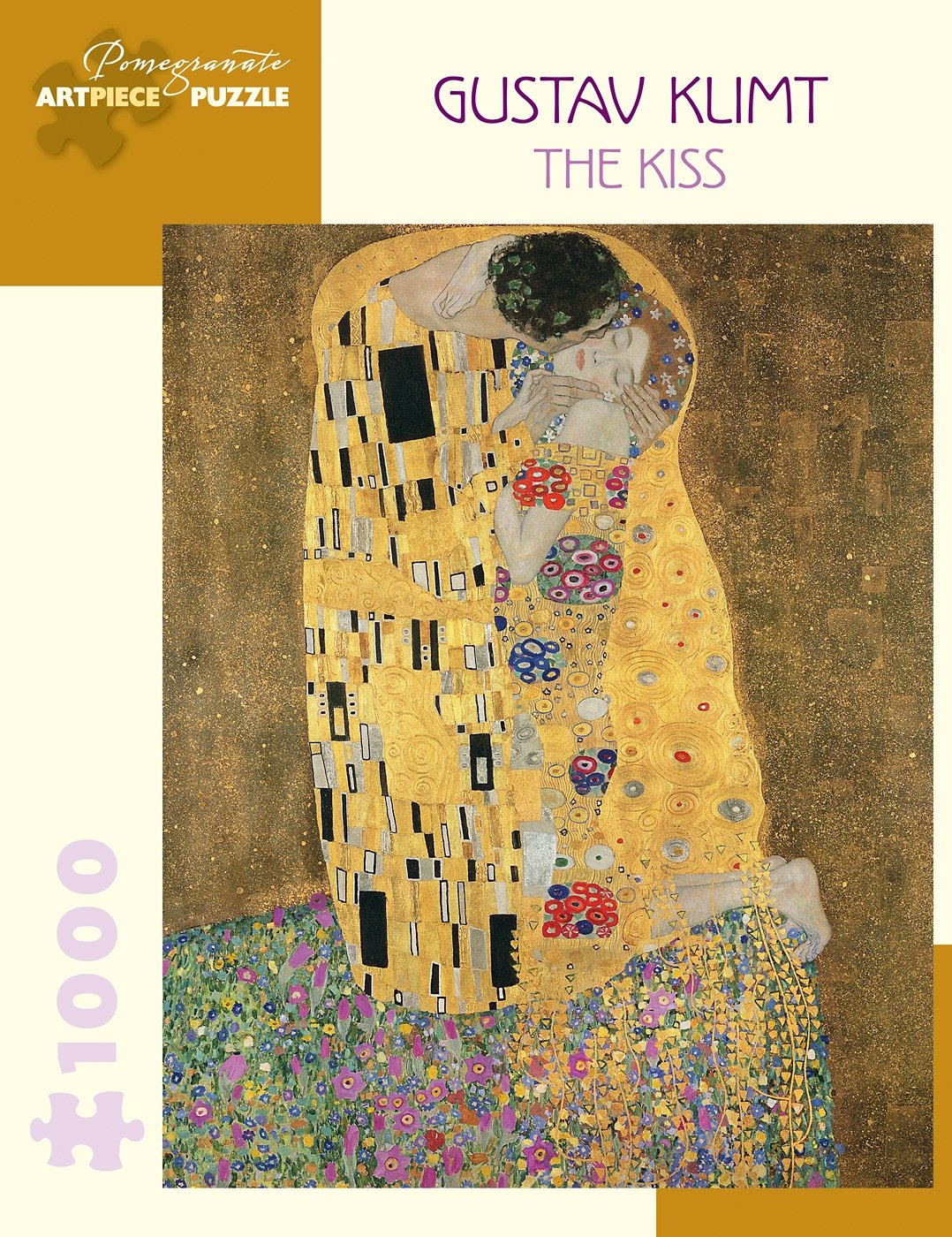
The iconic "The Kiss" artwork elevates this puzzle from a simple game to a collectible piece, blending art appreciation with interactive fun. A 1000-piece jigsaw puzzle featuring Gustav Klimt's iconic "The Kiss" painting, with its distinctive gold leaf and ornamental detail.
Not ideal if 1000 pieces may be too challenging for beginners; puzzle may not appeal to those who dislike repetitive tasks.
Treats they wouldn't add to their own basket
Small luxuries that feel like a reward — the kind of thing they'd enjoy but would talk themselves out of buying.

Preserved Black Truffle Selection — Minced, Slices & Sauce
£49.95from TruffleHunterShips internationallyThe set includes three distinct truffle products, offering versatility in cooking. A luxury gift set containing three preserved black truffle products: minced truffle in olive oil, 2mm slices in brine, and a rich truffle sauce (Tartufata).
Not ideal if Perishable; requires refrigeration.

The blend of Vermentino and Sémillon, combined with the winery’s Provence heritage, offers a unique and approachable white wine with Mediterranean charm.
Not ideal if Alcohol content; not suitable for non-drinkers.
Spot the thing they want but won't let themselves buy
There's a specific category of thing your friend wants and has decided not to buy, usually because it feels frivolous for a random Tuesday. A full-size version of a fragrance they only ever sample in a shop. Something rare they'd talk themselves out of buying at the price. A skill-based hobby kit they'd call a waste of an evening even while wanting to try it. The tell is usually a comment you've half-forgotten, something like 'oh I love that but I'd never actually buy it,' said in passing at a shop counter or scrolling past something online.
Listen for that exact sentence structure, because it does all the work of a wish list without your friend ever writing one. It names desire and self-denial in the same breath, and closing that gap is the entire job of a good gift for this brief. Ignore, instead, the things they say they need: printer ink, a new phone case, a replacement charger. Those get bought within the week regardless of what you do.
Not sure any of these quite fit? Tell us about your friend's actual habits and we'll narrow it down beyond this list.
AI reads what you write; our code then picks the gifts. How it works
The gift that costs nothing but an evening
None of the categories above require spending a cent, and the best gift for this exact brief is sometimes just your own time, planned properly. Cook the specific meal they mention wanting every time you're at a restaurant that does it well. Book the afternoon off and do the thing they keep saying they'll get around to eventually: a long walk somewhere new, a museum they've meant to visit for two years, an afternoon spent teaching them a hobby you're better at than they are.
This works precisely because it can't be pre-empted by their own shopping. They can buy themselves a fragrance or a bottle of wine at any point, but they generally don't book themselves an afternoon of someone else's undivided attention. That's the actual scarcity in a self-sufficient life, not objects, but planned leisure with someone else driving the itinerary.
If you do this in person instead of sending anything, there's no wrapping to think about and no delivery window to plan around, which makes it the lowest-friction gift in this entire guide.
In Germany and the Netherlands, gifts are typically opened right away, in front of whoever gave them. If you're handing any of this over in person, plan the moment accordingly.
Where to shop
Click any shop to preview what they offer.
A soap set gets used up and enjoyed, the kind of everyday indulgence they'd rarely buy for themselves.
UK, US
Browse Scottish Fine SoapsChocolate works because it's consumed and gone, never one more object added to a life that's already full.
Ships across Europe, plus Australia, Canada and New Zealand
Browse Cadbury Gifts DirectMaking something with a kit is the actual gift here, an afternoon spent rather than one more object to find room for.
Ships worldwide
Browse Craft Buddy ShopEngraving a small piece makes it clearly theirs, the kind of considered extra they wouldn't buy for themselves.
Ships worldwide
Browse Hey HappinessQuestions people ask
What do you get someone who has everything?
Start by asking what they'd never buy for themselves rather than what they don't own. Most people who seem impossible to shop for aren't missing objects, they're missing permission to be a little indulgent on an ordinary day. A specialty ingredient, a low-maintenance plant, or a planned afternoon together all sidestep the objects they already shop for well.
What's a good unique gift for a friend who has everything?
Unique only counts if it gets used more than once. A gadget that solves an invented problem usually ends up in a drawer within a month, while a specific consumable tied to something they already enjoy, or a small keepsake chosen for their actual style, tends to get real use. Aim for something that would make them say 'this is so specifically me,' not just 'that's different.'
Are experience gifts better than objects for someone who has everything?
Generally yes, but only when matched to something they actually do. A generic spa voucher or afternoon tea booked without checking their interests lands as flat as any gadget. An experience tied to a specific hobby they've mentioned, even a modest one, beats an expensive but untargeted voucher every time.
What's a thoughtful gift under £50 for someone who has everything?
Under fifty, look at specialty consumables or a well-made small keepsake rather than a bigger, cheaper-feeling object. A set of ingredients built around a dish they already cook, or a delicate piece of jewellery picked in a metal they actually wear, both read as considered rather than default at this price.
What do you get someone who has everything and buys themselves whatever they want?
This is really a signal to stop competing on taste and start competing on category. If they already buy themselves the best version of most things, the win isn't a better object. It's something outside their normal purchases entirely: your time, a cause tied to a purchase, or an indulgence they'd rationalise away as unnecessary.
Is it OK to just ask them what they want?
Yes, and it's often the better move than guessing badly. Asking doesn't undercut the gesture for a close friend the way it might in a more formal relationship. It just shifts the thoughtfulness from choosing well to listening well.
Next time you're stuck on this exact friend, skip the search results. Go straight to the question that actually has an answer: what would they enjoy but never let themselves buy? That's a much shorter list, and it's one only you can write for them.
Euphora helps you find the right gift — with tailored recommendations, gift guides, and specialist retailers we've vetted ourselves.