Thank-You Gift for Your Child's Teacher: What's Actually Appropriate
You don't know what the other parents in the class WhatsApp are planning, and that's the real source of the stress, not the gift itself. This guide works through the actual decision: whether a gift is expected at all, how much is normal where you live, and what to give instead of the fourth candle your child's teacher will unwrap this term.
Top picks for UK delivery
Euphora earns a commission when you buy through these links, at no extra cost to you. How we're paid
- Handcrafted Mango Wood Side Plates SetShips to UK

These plates stand out due to their handmade craftsmanship and use of mango wood, offering a unique rustic charm that mass-produced tableware lacks. The aspect appeals to recipients.
Not ideal if Wooden tableware may require occasional oiling to maintain its appearance and may not be suitable for dishwashers, which could be a consideration for some recipients.
View at nkuku · £20 - Hand-Finished Ochre Glass and Metal WreathShips to UK

The combination of metal and hand-painted glass leaves sets this wreath apart from mass-produced decorations, offering a crafted, one-of-a-kind feel. The ochre tones and autumnal inspiration make it versatile beyond just Christmas.
Not ideal if Fragility of glass leaves may require careful handling, and the handcrafted nature means slight variations in appearance.
View at nkuku · £16 - Be: My Mindfulness JournalShips to UK
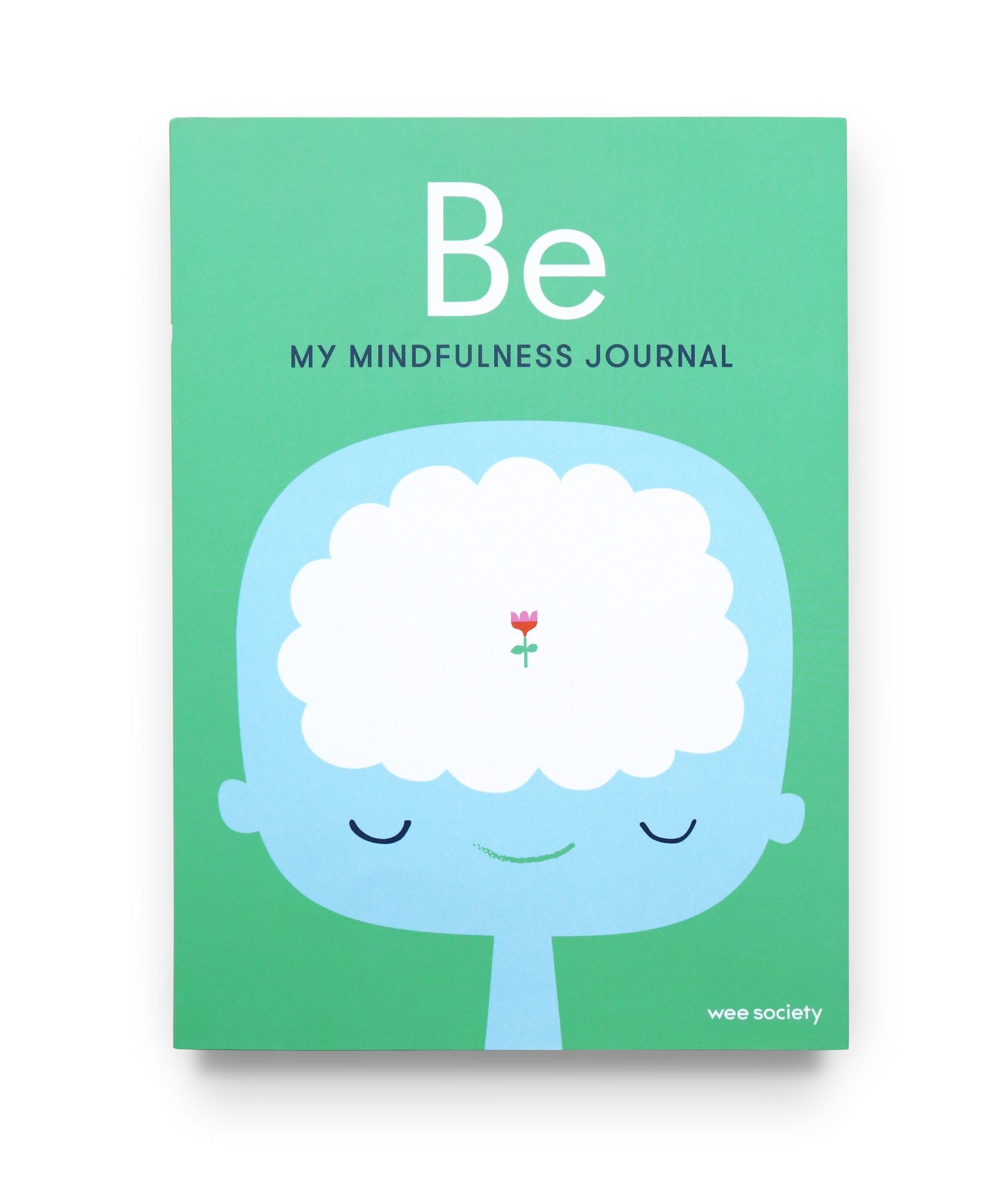
Stands out with its guided prompts and exercises, making mindfulness accessible and actionable. The journal format encourages consistency and reflection, setting it apart from generic self-help books.
Not ideal if May not appeal to those who are not interested in mindfulness or journaling.
View at Bookshop.org · £14.24
Picked and ranked for fit to a professional contact as a thank-you. Written by Eudora, reviewed by Euphora's founder before publication. Full method: how we choose and rank.
Prices from the shops' feeds, 19 October 2026.
You're not sure your school even allows this
Some schools have an explicit policy on gifts to staff, and most parents never see it until they ask. In the UK and Ireland, giving something at the end of term is well established: a class collection running to a few pounds per child, or an individual gift on the smaller side, is normal enough that skipping it barely registers as unusual. Germany and the Netherlands have no established custom of it. Not a strict ban, just no documented tradition of a parent buying something for a child's teacher at year's end.
That absence is worth sitting with rather than filling in with a guess. The instinct to thank a teacher with a purchased gift looks like a universal parenting reflex. It's common in the UK, Ireland, the US, Canada and Australia, but not in every country. German gift culture leans toward avoiding anything generous enough to create a sense of obligation. Dutch culture values restraint over display. If you're in either country and genuinely unsure, a short note from your child costs nothing, creates no awkwardness, and works regardless of what the school's unwritten rules turn out to be.
If you can find out the policy without an awkward ask, do it: check the parent WhatsApp thread, the school newsletter, or a parent who's been through a full year already. If you can't find out and want to play it safe, default to a card the child writes or draws themselves. It's appropriate in every region this guide covers and it's never the wrong call.
The 'thank the teacher' instinct is common in the UK, Ireland, the US, Canada and Australia, but it is not a German or Dutch habit. Germany has Schultüte, a cone of gifts given to a child on their first day of school, and the Netherlands has Sinterklaas gift-giving in December, both rich traditions, neither one involving a present for the teacher. If you're used to one country's norms and now finding your way around a different school system, don't assume your old rules transfer.
The class WhatsApp already has a collection going
Somebody organises this every year, usually a parent who volunteers early and sets up a collection for a shared gift or a gift card. Once that thread exists, the question stops being 'what should I buy' and becomes 'do I also buy something on top of this.'
Join the collection. It solves a real problem: without it, gift value varies wildly across twenty-five families, and whoever spends the least looks stingy while whoever spends the most looks like they're angling for favour. A collection flattens that entirely, and the amount requested is almost always modest for exactly this reason.
Adding an individual gift on top isn't required, and doing so risks the opposite problem: overlap with the very thing the group already gave. If you want the moment to feel personal to your family, keep it separate from the money question. A card your child writes themselves, mentioning something specific from their year, does more work than a second purchased item ever will.
Join the collection if one exists, always. Add something individual only if it will feel personal, not performative, and if you do, let the card carry the sentiment rather than a second purchased object.
Nobody says the actual number out loud
Here's what the actual numbers look like, where they exist. In the UK, parents usually give £5 to £10 each to a class collection, and individual gifts most often cost up to £10. Spend much more than other parents and it can read as trying too hard rather than caring more. Ireland doesn't publish a figure the way the UK does, but the default is a multi-retailer gift card, the same one families reach for at communions and confirmations, which keeps the amount flexible without anyone having to guess.
Germany and the Netherlands have no documented figure, because the custom itself isn't established there. If you do want to give something in either country, under-spending is the safer instinct: German gift-giving avoids anything generous enough to create obligation, and Dutch culture reads a modest gift as good judgment rather than stinginess.
Worth saying plainly: most of the anxiety around 'the right amount' chases a number that either doesn't exist or sits inside a narrower range than it feels like. In the UK and Ireland, anything in the low-to-mid part of what's typical reads as fine. Nobody is doing the maths on your five-pound gift against your neighbour's seven-pound one. The comparison you're bracing for mostly isn't happening.
Stay in the lower half of whatever range applies to you. A modest gift with a specific, handwritten note beats a generic gift at the top of the range every time.
Check before you buy, not after. A quick message to whoever organises your class parent group ('is there a collection this year?') takes thirty seconds and prevents the most common overlap: an individual gift bought before anyone knew a group one was already in motion.
You're standing in the shop, reaching for a mug
It's the fastest decision available, which is exactly why it's the most common one, and exactly why teachers report being overwhelmed by it every single year. A mug, a candle, a 'World's Best Teacher' plaque: multiply any of these by twenty-five families and you get a teacher managing a small warehouse of near-identical objects by the last week of term.
Teachers consistently describe wanting things that get used and then disappear, rather than items that sit on a shelf reminding them of a year they've already moved on from. Good chocolate shared around the staffroom works. So does a hand cream or hand wash for hands that have held a pen and marked homework for ten months straight. A distinctive jar of something for the kitchen works too, if you happen to know this particular teacher actually cooks. None of these need to be expensive; they need to be things a person would genuinely reach for.
The pattern underneath all of it: many teachers spend on their students all year before they spend on themselves. A small, specific indulgence acknowledges that without saying it out loud.
Pick something consumable, something that vanishes after use rather than accumulates. Pair it with a note that names something specific and true about your child's year. Skip anything with the word 'teacher' printed on it.
If you're buying flowers for a teacher, skip red roses, which read as romantic rather than appreciative. In the UK, white lilies carry a funeral association, so rule those out too. None of these are close calls. They're worth ruling out entirely rather than risking.
Your five-year-old and your fifteen-year-old need different plans
A five-year-old's contribution to a teacher gift is the card itself, not an accessory to it. At that age, a drawing or a few dictated sentences about what they liked this year carries the entire emotional weight of the gesture, and pairing it with an expensive purchased item doesn't add anything a parent's money can buy. Let the child's effort be the whole gift.
Older children shift the calculation. A fifteen-year-old in secondary school likely has six, seven, sometimes eight teachers across different subjects, and the idea of an individual purchased gift for each one stops being realistic on almost any budget. This is where the maths that other guides skip actually matters: a parent covering multiple teachers per child, or multiple children in different classes, is quickly looking at a total spend far higher than any single gift's price tag suggests.
The workable version at this age: a short note, written by the teenager rather than the parent, for each teacher who mattered, plus one shared class contribution if the year group is organising something collectively. It costs less, and it's more honest about who actually has the relationship with the teacher, which by this age, isn't really the parent's to manage.
For primary-age children, the card is the gift. For secondary students, favour notes over objects, and let a shared class gesture cover the group-collection instinct without needing a purchased item for every single teacher.
Quick decision rules
Gifts that say 'I noticed'
Chosen because you spotted something specific about who they are — not generic, not safe, just right.

Unlike typical memoirs, this book combines powerful photography with personal narrative, offering a visceral and emotional experience. Lynsey Addario’s firsthand account of war and resilience sets it apart.
Not ideal if Themes of war and suffering may be too intense for some readers.
Treats they wouldn't add to their own basket
Small luxuries that feel like a reward — the kind of thing they'd enjoy but would talk themselves out of buying.

The mineral-rich flakes and earthy truffle flavor set it apart from standard salts, offering a unique gourmet experience. The single-origin provenance adds a story to every dish.
Not ideal if Truffle flavor may not appeal to all palates; best suited for recipients who enjoy gourmet or umami-rich foods.

The reusable jute bag and focus on vegan, gluten-free ingredients set this apart from standard food hampers. It’s both practical and aligned with values.
Not ideal if Recipient must enjoy cooking and be open to vegan/gluten-free options.
Covering more than one teacher this year, or want a specific idea matched to your budget? Tell us a little about the situation and we'll narrow it down.
AI reads what you write; our code then picks the gifts. How it works
Where to shop
Click any shop to preview what they offer.
A spice tin or small hamper breaks the mug-and-candle cycle without costing more, exactly the kind of practical thank-you that gets used.
UK
Browse Real Food HubTheir gourmet oils sidestep the standard mug or candle by being something a teacher will use up in the kitchen rather than store in a drawer.
Ships worldwide
Browse TruffleHunterSoap sets stay in the same safe, practical category as a mug or candle but feel a notch more considered, useful when budgets are being watched across a whole class.
UK, US
Browse Scottish Fine SoapsPersonalised bars printed for the occasion make a natural standout among end-of-term teacher thank-yous, no class-wide group order required.
Ships across Europe, plus Australia, Canada and New Zealand
Browse Cadbury Gifts DirectQuestions people ask
How much should you spend on a teacher's end of year gift?
There isn't one number that works everywhere, but overspending doesn't buy extra gratitude in any of the four regions this guide covers. A parent who doesn't know a teacher well is often tempted to compensate with price. Put the effort into a specific note instead: it says more than a bigger price tag.
Is it inappropriate or awkward to give a teacher a gift?
Rarely, in the UK or Ireland, where it's established enough that skipping it is barely noticed either way. It's a genuinely open question in Germany and the Netherlands, where no clear custom exists either way, so the awkwardness has more to do with guessing at unwritten rules than with the gesture itself. A card causes no such uncertainty anywhere.
What do teachers actually want as a gift (not another mug)?
Most teachers never tell parents directly that they've received the same mug from six different families, so the mismatch between what's given and what's wanted never really gets corrected. A personal note, or a small treat they will use, is a safer choice than a keepsake. If you're unsure, ask yourself whether the teacher would genuinely use it within a month. If not, reconsider.
Should I do a group gift or give individually?
Both, if you want to, just not as two purchased items. Join whatever collection your class organises. If it matters to you or your child that the gesture feels personal, add a card rather than a second gift; the collection already handles the fairness problem.
Can teachers even accept gifts in Germany or the Netherlands?
There's no documented restriction against it, but there's also no established tradition of it, as there is in the UK, Ireland, the US, Canada and Australia. If you're getting to grips with a German or Dutch school and want to mark the occasion, a modest gesture, or simply a card, sidesteps the uncertainty entirely.
Do I need a separate gift for every teacher if I have multiple kids?
Not if it's not realistic for your budget, and for most families with children in different classes, or a secondary-age child with several teachers, it genuinely isn't. A note per teacher, plus contributing to whichever class collections exist, covers the gesture without multiplying a single gift's cost by every teacher your children have.
The class WhatsApp thread will keep buzzing regardless of what you decide, and that's fine. Once the card is written and the collection contribution is in, there's nothing left to get right. The teacher isn't grading this one.
Euphora helps you find the right gift — with tailored recommendations, gift guides, and specialist retailers we've vetted ourselves.