Buying a Gift for Your Friend's New Baby When You Don't Have Kids
You're genuinely happy for your friend. You are. And somewhere underneath that happiness there's something harder: a low-grade worry that you're about to lose them to a world you're not part of yet, a creeping dread that you'll show up at the hospital with the wrong thing, maybe something else you haven't quite named yet.
Add to that: you don't actually know what babies need. You know they need things, in the abstract, but when you stand in front of the options the whole category starts to blur. Sleepsuits, muslins, rattles, swaddles: is any of this what they actually want, or is this what people buy because they don't know what else to do?
This guide is for that moment of uncertainty. It'll help you understand what new parents genuinely find useful versus what ends up in a charity bag by month four, why the gift you choose can carry a message about the friendship that no card can, and how to handle the situation if buying a baby gift right now is more complicated for you than anyone around you knows.
Top picks for UK delivery
Euphora earns a commission when you buy through these links, at no extra cost to you. How we're paid
- Personalised Hand or Footprint Silver NecklaceShips internationally

The engraving of a child’s hand or footprint sets this apart from generic jewellery, creating a one-of-a-kind keepsake that holds deep emotional significance. A stainless steel pendant engraved with a child's hand or footprint, name, and date.
Not ideal if The personalisation makes it less versatile for re-gifting.
View at Hey Happiness · €49.90 - Complete Brothers Grimm Fairy Tales CollectionShips across Europe
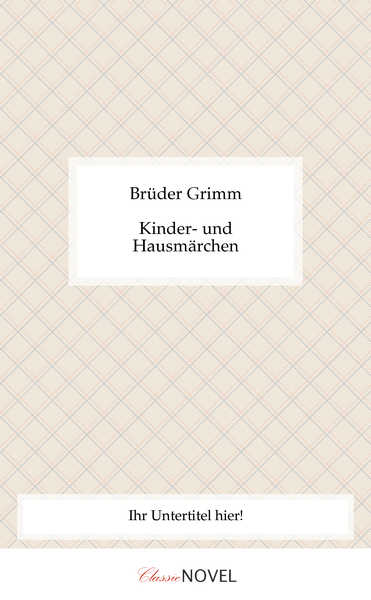
Unlike abridged or modernized versions, this collection preserves the original tales in their full, unaltered form, offering authenticity and a connection to cultural history. The hardcover edition ensures durability and a premium feel.
Not ideal if May not appeal to children who prefer modern or visually illustrated books.
View at PersonalNOVEL · €26.95 - Personalised Circus-Themed Child's Name PosterShips across Europe
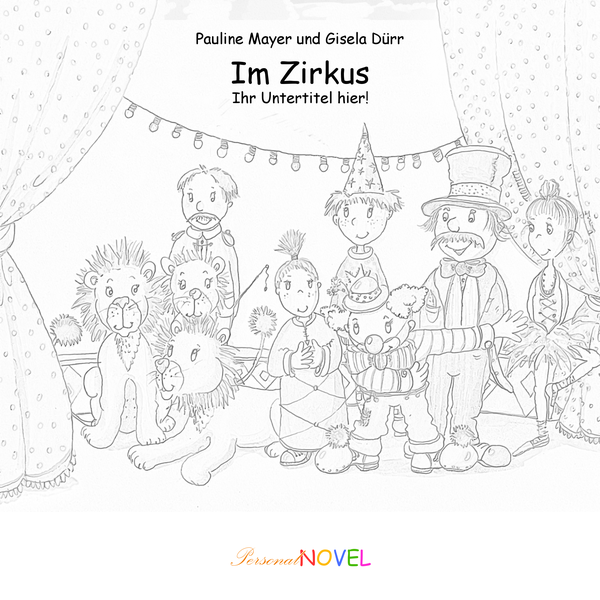
Unlike generic posters, this piece is personalised with the child's name, making it uniquely theirs. The circus theme is timeless and appeals to a child's love of adventure and fantasy, setting it apart from typical children's decor.
Not ideal if Personalisation relies on the child's name being correctly provided.
View at PersonalNOVEL · €19.99
Picked and ranked for fit to a close friend celebrating a new baby. Written by Eudora, reviewed by Euphora's founder before publication. Full method: how we choose and rank.
Prices from the shops' feeds, 19 October 2026.
Let's name what's actually happening here, because it's more than shopping uncertainty.
Your friend has crossed into a category of life experience you haven't had. That's not a crisis — it happens constantly in long friendships — but it does mark a shift. The rhythms that held you together (the late-night calls, the spontaneous trips, the dinners that ran until midnight) are changing, possibly for years. You don't know how much. Neither do they.
Beneath the gift-buying question is a bigger one: am I still someone they'll need once the baby is here? That question doesn't have a clean answer, and a gift won't answer it. But how you show up in this moment, whether you disappear into vague well-wishing or actually engage with what they're going through, is data your friend will carry forward.
Parents remember who showed up when everything was new and overwhelming. They remember who sent a meaningful message weeks later, when the rest of the world had moved on. They remember the friend who asked about them, not just the baby. The gift is one small part of showing up. The rest is just being present in the weeks and months after, which costs nothing except attention.
Most baby gifts serve the giver, not the parent
Here's the thing no one says at a baby shower: many new baby gifts end up duplicated, given away or unused. Newborn-size clothing worn for under two weeks. The sixth stuffed animal. A third floor gym. The decorative blanket that's too nice to use and too small to matter.
This isn't because givers are thoughtless. It's because the impulse when buying for a new baby is to find something cute, something that signals celebration. Cute is optimised for the unwrapping moment. It says "I'm excited for you" in the language of small soft things. But it rarely asks what the parents actually need, which is usually something completely different.
Many new parents would rather have help, time or something practical than another object. The most useful things often aren't baby-specific at all: meal delivery, a good coffee, dry shampoo, a large water bottle, someone to hold the baby for two hours while they sleep.
This matters to you specifically because, without children, you don't have the internal map that tells a parent when "another sleepsuit" is welcome versus when it's the eleventh one in a drawer that won't close. You're operating without the index. So rather than guessing from the outside, there are two paths that work: ask directly, or buy for the parents rather than the baby.
Visits and gifts tend to bunch up in the first days. Later, once partners are back at work and the meals stop arriving, help often thins out. A gift sent at month two or three, when the parents are more likely to be on their own, lands differently than the twelfth package in the first fortnight.
The gift that says 'I see you, not just the baby'
There's a version of a baby gift that completely ignores the parent as a person. It's a gift for the arrival, for the occasion, for the baby as an idea. Your friend could have been anyone. Most gifts fall into this category, and most parents know it.
Then there's a different kind of gift, one that says: I know you specifically. I know you've been exhausted for three months. You've been running on coffee and hope and very little sleep. I know you still have a personality that exists outside of this new identity.
A "for the parents" hamper does this directly. Premium coffee they won't buy for themselves right now. Quality snacks that can be eaten one-handed in the dark at 3am. Good lip balm (a weirdly specific hit for new mothers who keep finding their lips cracked). A reusable bag or container that doubles as nursery storage. None of this is glamorous. All of it will be used.
A future date night voucher does this in a different register, framing it explicitly as "for when you're ready, whenever that is, no expiry." It treats them as people who will want a night out again, who will return to being adults who go places. That implied confidence about the future is a small kindness.
The strongest thing you can do alongside whatever you buy is offer a specific commitment rather than a general one. Not "let me know if you need anything": parents won't ask, even when they desperately need things. Instead: "I'm coming Saturday to hold the baby for two hours, please sleep. You don't need to do anything." A statement, not a question. This isn't on the gift receipt. It's better.
If you want to buy something baby-specific but aren't sure what they already have, ask directly. "I want to get you something actually useful: what do you still need?" removes all the guesswork and signals that you're not just going through the motions. Most new parents are so relieved to be asked that they'll tell you exactly what they want. If they deflect ("oh, we have everything"), default to something consumable for them rather than the baby.
If buying a baby gift is more complicated for you right now
This section is for the people who need it. Skip it if you don't.
If you're dealing with infertility, pregnancy loss, or your own grief about parenthood, whether that's wanting it and not having it, or having made a different choice and occasionally wondering, then buying a gift for your friend's new baby is an act of love that costs you something real. That deserves to be acknowledged before anyone tells you what to buy.
You don't have to go to the baby shower. Sending a gift with a genuine note is a complete and valid alternative. "I'm so happy for you and I can't wait to meet them. I'll come when things have settled a little" tells your friend what they need to know. Most parents who've been through anything themselves understand immediately. The ones who don't will understand eventually.
If you skip the shower, don't skip the friend. A message in week five when everyone else has gone quiet — "thinking of you, how's it actually going?" — counts for more than you might think. The friendship doesn't have to be carried by a single in-person moment.
And if someone in your life is making you feel guilty for finding this difficult, that's their problem, not yours. Happiness for a friend and grief for yourself can coexist without either one cancelling the other out. Both are true. Both are yours.
In Germany and the Netherlands, it's traditional not to congratulate a parent or give gifts before the baby is actually born: doing so is considered bad luck, and the superstition runs genuinely deep. Wait until after the birth. In Germany, a "Glückwunsch" visit with a small gift in the first weeks is standard; in the Netherlands, beschuit met muisjes (the traditional birth announcement treat) signals the event publicly, and gifts typically follow shortly after. In Ireland and the UK, timing is more flexible, but sending something weeks after the birth, rather than in the first-week rush, is often more meaningful and less likely to be lost in the pile.
Tell us about your friend: what they're into, your budget, and anything you know about what they already have, and we'll find specific gifts from real shops that will actually get used.
AI reads what you write; our code then picks the gifts. How it works
Where to shop
Click any shop to preview what they offer.
Pampering for exhausted new parents, not another baby item
UK, US
Browse Scottish Fine SoapsChocolate for the parents during midnight feeds
Ships across Europe, plus Australia, Canada and New Zealand
Browse Cadbury Gifts DirectQuestions people ask
Is it okay to give a gift for the parent rather than the baby?
Not only is it okay: it's often better. Baby gifts often arrive in duplicate. A gift aimed at the parents (good food, consumables, something indulgent they won't buy for themselves) gets used straight away. A hamper of quality coffee, snacks, and things they can use one-handed at 3am tells your friend that you see them as a person, not just as someone who has produced a baby. If you want to include something baby-specific, pair it with something for the parents. The ratio matters less than the intention.
What's a good budget for a close friend's new baby gift?
Between £25 and £50 is standard for a close friend in the UK, enough to feel considered without tipping into a statement. The more important variable is what you buy rather than what you spend. A £30 "for the parents" hamper lands better than a £50 novelty item with no practical value. If you're part of a group gift, make sure you each write your own note rather than signing a shared card: that's where the personal element lives.
What should I actually avoid buying for a new baby?
Newborn-size clothing is the most over-gifted item by a wide margin. Babies wear it for days, sometimes never. Novelty items ("My First Rattle"-style things) often go unused. Anything requiring assembly at 2am is not the thoughtful gesture it appears. And while stuffed animals photograph well, most families accumulate more than they can store. If you want to buy something for the baby specifically, check whether they're registered anywhere, or ask directly what size of clothing they still need. Most parents will tell you and will be relieved you asked.
Is it weird to send a gift weeks after the baby is born?
No, and it may actually be better timed. The first week typically brings a wave of gifts and visitors. By weeks four to eight, that support has largely disappeared and the parents are managing alone for the first time. A gift arriving at month two says "I'm still thinking about you" at exactly the moment when most people have moved on. Parents often describe late gifts as the most touching ones, precisely because they weren't obligatory.
I'm struggling with my own feelings about this: do I still have to go to the shower?
No. If attending a baby shower is genuinely painful for you, because of infertility, loss, or your own complicated relationship with parenthood, sending a gift with a warm note is a complete and valid alternative. Your friend would almost certainly rather have you at ease and present in the friendship long-term than physically in the room once while carrying something heavy. Most people who've been through anything real understand this without it needing explanation. If you want to say something, a simple "I'm so happy for you and I'll come see you both when things have settled" is enough.
How do I write a card that doesn't sound generic?
Drop the printed sentiments entirely and write a sentence or two in your own words. Reference something specific about your friend, a quality you admire in them, a shared memory that feels relevant, something particular about why you think they'll be good at this. "I've watched you show up for everyone you love for twenty years, and I can't wait to see what that looks like now" lands in a completely different place than "Congratulations on your new arrival." Keep it short. Specific beats eloquent every time.
Your friend didn't need a perfect gift. They needed you not to disappear.
You're here, thinking hard about this, which already means something. Whatever you choose, whether it's a hamper of things they'll actually use, a promise to show up on a specific Saturday, or a card with your own words in it, carries more weight than the object itself. Parents of newborns remember who stayed in the picture when everything was new and exhausting and strange.
Get them something that says "I know you, not just the occasion." Write it down in your own handwriting. Then come back in month three, when everyone else has gone quiet, and ask how it's actually going. That last part is free and it matters most.
Euphora helps you find the right gift — with tailored recommendations, gift guides, and specialist retailers we've vetted ourselves.