What to Buy the Home Cook Who Already Has Everything
Buying for him isn't hard because he's picky. It's hard because he's already solved the problem you're trying to solve: the right knives, the herb garden, a shelf of cookbooks he's actually cooked from. Get him another version of any of that and it joins a drawer he doesn't open. This guide starts from a different question: not what does a home cook want, but what a home cook who already has everything wants next.
Top picks for UK delivery
Euphora earns a commission when you buy through these links, at no extra cost to you. How we're paid
- Brushed Gold Brass Cheese Knife SetShips to UK

The brushed gold finish and brass material set this set apart from standard stainless steel options, offering a rustic yet elegant aesthetic. The artisan craftsmanship adds character and makes it a standout gift.
Not ideal if The gold finish may show wear over time with frequent use.
View at nkuku · £48 - Nordic Ceramic Snack Bowl with Matte GlazeShips internationally

The ultra-matte glaze and delicate striped engraving set this bowl apart from standard ceramic pieces, offering a unique blend of functionality and artistry.
Not ideal if Fragile material; may not suit those who prefer bold or colorful decor.
View at Design Letters · €29 - Recycled Iron Endo VaseShips to UK

Unlike mass-produced vases, this piece is hand-forged from recycled iron, ensuring each vase has slight variations and a story. Its sculptural design and visible soldering marks make it a conversation starter.
Not ideal if The industrial aesthetic may not suit all tastes, and the weight of the iron could make it less practical for frequent moving.
View at nkuku · £42
Picked and ranked for fit to an uncle, just because. Written by Eudora, reviewed by Euphora's founder before publication. Full method: how we choose and rank.
Prices from the shops' feeds, 20 October 2026.
The kitchen that's already finished
He owns the sharp knives. The herbs are already growing on the windowsill. His cookbook shelf is full of spines that have actually been cracked, not just displayed. Buy him another version of any of that and it joins a drawer of things he was too polite to mention he already had. The mistake isn't buying something wrong, it's buying at the wrong level: shopping the category of 'cooking' instead of the specific person who solved the beginner and intermediate problems years ago. At £20 to £80, you're below the price of anything that would genuinely upgrade his equipment anyway, so the smarter move is to stop competing with his kitchen and start feeding what happens inside it.
A serious home cook's pantry is deep, but it's rarely wide in the direction of genuine indulgence, because buying truffle or single-origin oil for himself feels frivolous even when he'd enjoy it. That's the gap: the ingredient he'd cook with immediately but never queue up to purchase. It works because it disappears into an actual meal within weeks rather than sitting on a shelf as a reminder of an occasion. Keep it narrow and specific. A jar of one exceptional thing beats a hamper of six adequate ones, because a hamper reads as generic no matter how well-reviewed the contents are.
A bottle that gives him something to say, not just something to drink
Wine works differently from an ingredient: it's not just consumed, it's discussed. A bottle with a real story, a family domaine, a specific vineyard, a decade in the cellar, gives him something to bring up at the table weeks later, which is closer to the actual goal than any object could get him. Skip anything that reads as a crowd-pleaser rosé picked for safety. He'll notice the difference between a bottle chosen for provenance and one chosen because it's inoffensive to everyone.
Every one of these four markets has its own word for spending too much on an unprompted gift: 'notions' in Ireland, Verpflichtung in Germany, zuinigheid in the Netherlands, and an unspoken class read in Britain. All four land on the same advice: for a gift with no occasion behind it, £20 to £40 (or the equivalent €25 to €40) reads as generous. Above that, without a birthday or holiday to explain it, it can tip into feeling like you're angling for something.
Recognised as a cook, not just called one
There's a difference between admiring someone's hobby and understanding it, and a serious cook feels that difference every time. A gift that assumes fluency, one that only makes sense to someone who already knows what to do with it, lands as recognition. Something that could apply to 'anyone who cooks' lands as a category label instead. The rare non-consumable worth considering here isn't about the kitchen at all: it's a personal object he'd use daily, engraved with something only you'd think to write, which answers a need none of the food or wine can.
If you're tempted to round this out with a knife, know that an old British superstition, fading but not gone, says a gifted blade 'cuts' the relationship. The traditional fix is to have him hand you back a coin, which turns the gift into a purchase. It costs only a coin.
Gifts that say 'I noticed'
Chosen because you spotted something specific about who they are — not generic, not safe, just right.

Unlike generic poetry collections, this anthology is specifically curated for seniors, focusing on themes of aging, wisdom, and the quiet beauty of later life. Its thoughtful selection of verses makes it a standout gift for those who cherish depth and reflection.
Not ideal if May not resonate with recipients who do not enjoy poetry or reflective reading.
Treats they wouldn't add to their own basket
Small luxuries that feel like a reward — the kind of thing they'd enjoy but would talk themselves out of buying.
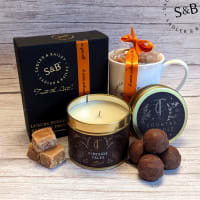
Unlike standard chocolate boxes, this set includes a candle and fudge, creating a multi-sensory experience. A curated gift set featuring a 150g box of milk truffles, a bone china mug with salted caramel fudge, and a 30-hour tin candle in a presentation box.
Not ideal if Contains dairy and sugar; not suitable for recipients with dietary restrictions.

The blend of Vermentino and Sémillon, combined with the winery’s Provence heritage, offers a unique and approachable white wine with Mediterranean charm.
Not ideal if Alcohol content; not suitable for non-drinkers.
Every uncle's kitchen is stocked differently. Tell us what he actually cooks and we'll narrow it down further than any general list can.
AI reads what you write; our code then picks the gifts. How it works
Sharpen what already earned his trust
The angle most guides skip: he doesn't need new equipment, he needs the equipment he already trusts kept in working order. A proper knife-sharpening service, or a cookware seasoning and maintenance service where available, treats his existing kit with the same seriousness he does, rather than quietly suggesting it needs replacing. This isn't glamorous, and it won't photograph well under wrapping paper, but it's the only category here that adds value to what he already owns instead of adding to the pile.
Get him out of the kitchen for once
Not every good gift lives in his kitchen. A foraging walk or a masterclass with a chef whose food he actually rates gives him a new technique or ingredient source to chase, which restocks his curiosity in a way no object can. Dining out does something different: a restaurant voucher sends him out to eat rather than in to cook, which sounds counterintuitive for a gift aimed at a cook until you remember most of his cooking happens in service of everyone else. An evening where someone cooks for him, for once, might be the actual rare thing here.
If you're ordering across borders, expect the prices in this guide to show in either pounds or euros depending on the retailer, and expect a UK-to-EU parcel to occasionally pick up customs handling that a purchase within the EU won't. Order a little earlier than you think you need to, since this isn't a gift with a fixed delivery deadline forcing your hand.
Where to shop
Click any shop to preview what they offer.
Recipient knowledge is what this shop asks for, and a rare bottle he wouldn't pick for himself feeds the obsession in exactly the unexpected way this guide calls for.
Ships across Europe
Browse 8wines UKFoodie adults who already cook and entertain are this shop's named audience, so a jar of something genuinely unusual beats yet another gadget.
Ships worldwide
Browse TruffleHunterChoosing their statement Strelitzia rather than another herb avoids duplicating the herb garden he already keeps.
Ships across Europe
Browse Be.Green Plant DesignQuestions people ask
What do you get a home cook who has everything?
Something that gets used up or experienced rather than stored: a specific ingredient he wouldn't buy himself, a bottle with a genuine story, or time spent cooking with or for someone else. The equipment problem is usually already solved by the time someone reaches uncle-tier gift-giving, so buying more equipment rarely lands.
What's a good gift for someone who loves cooking but already has all the gadgets?
Look past the kitchen entirely for a moment. A knife-sharpening service, a foraging walk, or a restaurant booking all sidestep the gadget problem completely because none of them compete with what's already in his drawers.
Are consumable gifts a good idea for people who have everything?
Yes, and for a specific reason: consumables solve the storage problem that durable objects can't. A jar of something rare gets used and replaced, never becomes clutter, and never has to compete for shelf space with what he already owns.
How much should I spend on a gift for an uncle?
For a gift with no occasion attached, £20 to £40 (or roughly €25 to €40 across Ireland, Germany, and the Netherlands) tends to land as generous without tipping into feeling like you're angling for something. Extended family relationships carry less pressure to match milestone-gift spending than a parent or partner would.
What's a unique gift for a foodie uncle?
The unique part usually isn't the object, it's the specificity: an ingredient tied to a technique he actually uses, a bottle from a producer with a real story, or an experience built around a cuisine he's genuinely chasing right now rather than food as a general theme.
He was never actually impossible to buy for. The trick was realising he'd already solved every problem the obvious gifts were trying to solve. Shop for what he does with his hands instead of what's sitting in his cupboard, and the search gets shorter, and noticeably more fun.
Euphora helps you find the right gift — with tailored recommendations, gift guides, and specialist retailers we've vetted ourselves.