How to Give an Experience Gift That Doesn't Feel Like an IOU
You've already made the better call. An experience beats another candle or gadget, and some part of you knows it. What you're less sure about is the handover, how you hand someone an envelope and have it actually feel like a gift, not a printed receipt. This guide walks through that problem specifically: choosing the right experience, building a moment worth opening, and timing it so nothing about the exchange feels like paperwork.
Top picks for UK delivery
Euphora earns a commission when you buy through these links, at no extra cost to you. How we're paid
- Cadbury Ultimate Celebration Chocolate BasketShips internationally

The combination of a large assortment of Cadbury classics and a personalised gift sleeve elevates this hamper above standard chocolate boxes. The wicker basket adds a premium, ready-to-give feel.
Not ideal if Contains dairy; may not suit recipients with dietary restrictions or those who prefer artisanal chocolates.
View at Cadbury Gifts Direct · £70 - Gold Jewellery Surprise Box with 4 PiecesShips internationally

The curated set of four pieces sets it apart from single-item jewellery gifts, offering variety and excitement in one box.
Not ideal if The surprise nature means the recipient’s taste in jewellery may not align with the curated selection.
View at Hey Happiness · €45.90 - British Savoury Letterbox Hamper with Charcuterie & CheeseShips to UK
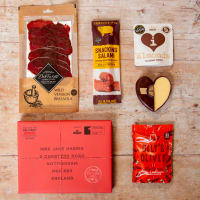
The letterbox delivery eliminates shipping hassles, and the personalised card adds a thoughtful touch. The inclusion of award-winning cheddar and charcuterie elevates it above standard hampers.
Not ideal if Contains dairy and meat, so not suitable for vegans or vegetarians.
View at Real Food Hub · £34.95
Picked and ranked for fit to a just-because gift. Written by Eudora, reviewed by Euphora's founder before publication. Full method: how we choose and rank.
Prices from the shops' feeds, 20 October 2026.
Pick what they'd choose for themselves, not what you'd enjoy doing with them
Start with something they've mentioned in passing, not something you'd like to try together. A pottery class they brought up once and never booked, a tasting flight for a drink they keep meaning to properly learn about, a niche workshop tied to an interest they've mentioned twice. The specificity is the point. Generic 'fun' reads as generic; a detail they forgot they'd said reads as being paid attention to.
This is different from choosing something to share. A couples' cooking class might be a lovely evening, but it's a gift for the relationship, not for the person, and it's worth being honest with yourself about which one you're actually giving. If you can't picture them doing it without you, it's probably not the gift you think it is.
If they've never mentioned it and you're choosing it because you'd enjoy it too, admit that to yourself before you buy. It's still a fine gift. Just don't expect it to land as personal.
Germans have a specific word for the thing this whole guide is trying to help you avoid: Verpflichtung, the obligation a disproportionate gift creates in the person receiving it. Ireland has its own version, 'notions', a social penalty for anything that reads as showing off. Both cultures land on the same rule for an unprompted gift: restraint reads as more considered than range. A modest experience matched precisely to the person beats an expensive one that isn't, in every market this guide covers.
Give them something to open, even though the gift itself has no shape
The confirmation email is not the gift. It's the receipt. Handing over a printed voucher and calling it done skips the part that makes any gift feel like a gift: the moment of opening something and not knowing exactly what's inside.
Build that moment separately. A small wrapped object that hints at the experience works: a matchbox and a recipe card for a cooking class, a folded map with a pin in it for a day trip, a single ingredient from a tasting menu taped inside a note. Or keep it verbal: a short clue, written by hand, that they have to work out before the reveal lands does the same job with less material. What matters isn't the craft, it's that they get a few seconds of curiosity before they understand what they're holding.
If you're giving this to someone in Germany or the Netherlands, keep the reveal itself modest. Both cultures expect gifts opened immediately in front of the giver, so an elaborate unwrapping ceremony can feel performative rather than charming. The clue or card should read well the moment it's opened, not depend on a slow build.
Resist the urge to explain the whole booking in the note. Say enough to make them curious, and let the actual details come separately once the surprise has landed.
What you'll need to build the reveal
- A small blank card or box, something they actually get to open
- One tangible object that hints at the experience without giving it away
- A short handwritten note or clue
- The actual booking details, kept separate until after the reveal
- An envelope or a length of ribbon, nothing elaborate
Expect a reflexive 'oh, you shouldn't have' if you're handing this to someone in the UK. It's a script both sides recognise, performed regardless of how the gift actually lands. In Germany, the opposite move works better: undersell it out loud, 'it's just a small thing', even when it isn't. Both cultures reward gifts that don't ask to be admired.
Decide whether you're locking in a date or lending them one
A fixed booking gives you control over the reveal: you know the date, you can plan around it, and you can build presentation on top of a confirmed slot. It also removes the recipient's choice, which can turn a gift into an appointment they didn't ask for.
An open-dated voucher solves that but creates a different problem. Without a fixed date, there's nothing concrete to reveal, no specific thing they're opening the card to find out. The workaround is to give the open choice but supply a concrete first step: book the table or the class, then hand over a voucher that lets them pick the actual date once they've said yes to the idea.
Default to their choice unless the activity genuinely requires locking something in, a popular tasting slot, a seasonal outdoor activity, something with real scarcity. Most experiences don't.
Offer to handle the actual booking once they've picked a date. You keep the admin off their plate without taking the choice away from them.
Don't let a deadline turn the gift into their homework
A voucher with a three-month expiry doesn't feel generous after week six. It feels like a task with a due date, one more thing competing for a weekend that's already full. That clock erodes the goodwill of the gift faster than almost anything else you can get wrong.
Look for experiences with open or long-dated availability wherever they exist. Where they don't, say so plainly when you hand it over rather than letting them discover a deadline later. 'This is good until March, no rush before then' costs you one sentence and removes the guilt entirely.
If the provider requires a locked booking, consider handling it yourself once your person tells you a date that works. You absorb the admin, they get the choice, and nobody's staring at a calendar wondering if they've let a gift go to waste.
If you're buying across a border, this matters even more: confirm redemption terms and location before you commit, since return or extension options vary by provider.
Buying across a border adds a step most gift lists skip entirely: confirm the experience is actually redeemable where your person lives, not just where you're shopping from. A voucher priced in the wrong currency, or booked through a provider that doesn't operate in their city, turns a thoughtful idea into an apology. Check the provider's coverage before you buy, not after.
Want to pair the experience with a small physical object to open? Tell us about your person and we'll suggest the right kind of pairing gift.
AI reads what you write; our code then picks the gifts. How it works
Say plainly whether you're coming along
Inviting yourself to an experience gift without saying so upfront puts the recipient in an awkward position: coordinate around your schedule, or feel rude leaving you out of something you technically paid for. Decide before you give it whether this is a gift for them alone or an invitation to something shared, and say which one it is when you hand it over.
If it's shared, say so in the note itself, no ambiguity later. Make the same clear when it's theirs alone: they should feel free to bring someone else, and not feel obligated to include you out of politeness.
For group-funded experiences, splitting the cost among a few people is normal practice almost everywhere now, the Dutch even have an app built around doing it down to the cent. Treat a shared contribution as practical, not as a discount on the thoughtfulness.
If you're chipping in as part of a group, agree who's presenting the gift and how before anyone books anything. Two separate reveals from the same friend group undercuts both.
More treats to consider
More indulgences worth considering — different moods, same impulse.

Alocasia Cuprea Red Secret — Compact Tropical Houseplant
€42from Be.Green Plant DesignShips across EuropeThe Alocasia Cuprea’s metallic, arrow-shaped leaves set it apart from common houseplants, offering a rare and sophisticated aesthetic. A striking tropical houseplant with metallic, arrow-shaped leaves in deep burgundy and copper tones.
Not ideal if The plant requires specific care (e.g., humidity, indirect light) and may not thrive in all environments.

Unlike typical vacation stories, this novel is narrated by a dog, offering a fresh and hilarious perspective on human behavior. The humor and charm make it stand out from more conventional family or travel-themed books.
Not ideal if Taste in humor can be subjective, so it may not appeal to those who prefer more serious or dramatic literature.

Kindred Spirits Crystal Art Scroll Kit — Anne Stokes 40×50cm
£10.39from Craft Buddy ShopShips internationallyFeatures Anne Stokes' distinctive fantasy artwork, elevating it beyond a generic craft kit. The scroll format adds a unique display element.
Not ideal if Requires patience and attention to detail; may not appeal to those who prefer instant-gratification gifts.
Where to shop
Click any shop to preview what they offer.
A bottle to open together while you look over the booking gives the moment a physical anchor a printed voucher alone can't provide.
Ships across Europe
Browse 8wines UKSomething to eat while planning the date gives an otherwise intangible gift a real, physical moment to unwrap.
Ships worldwide
Browse TruffleHunterQuestions people ask
How do you make an experience gift feel like a real gift?
Match it to something specific they've mentioned, not something generic that could work for anyone. Then build a real object or note for them to open, so receiving it doesn't rely entirely on a confirmation email. Specificity plus a reveal covers most of the gap between a nice idea and a genuinely thoughtful gift.
How do you present or wrap an experience gift?
If you're short on time, skip the clue trail: a single small object that hints at the experience, tucked inside a card with a handwritten line, does almost as much work as an elaborate build. What matters is that they physically open something themselves. A printed voucher alone doesn't give them that moment, however nice the paper.
Are experience gifts a good idea?
Generally, yes: gift customs rarely insist on an object, and experiences sidestep the biggest risk of physical ones, giving someone something they'll never use or display. The one condition is proportion. An experience priced well above what the relationship calls for creates exactly the obligation this guide is trying to help you avoid.
What's a good experience gift for someone who has everything?
This is often the exact person experience gifts solve for: someone who's stopped buying novel things for themselves because it feels indulgent against more practical spending. The best answer isn't a bigger or flashier experience, it's a narrower one, tied to something they've talked about wanting to try but never quite booked for themselves.
Is an experience gift too personal for a new relationship or a colleague?
Sometimes. A shared activity, especially anything with physical closeness, spas, dinners, weekends away, can read as more intimate than the relationship warrants for a colleague or a new partner. For those relationships, favour something solo they can use alone, a class, a subscription, a single-person experience, so the gift doesn't imply a closeness you haven't reached yet.
What if they can't use the experience right away?
That's normal, and it's exactly why open-dated experiences are worth seeking out over fixed-slot bookings. If the provider only offers dated slots, tell them plainly that you're happy to help move or rebook it if their schedule changes. The goal is for them to use it when it actually fits, without feeling pressured by a deadline on a voucher.
You already knew the experience was the better gift. The only piece missing was a moment for them to actually open, something with texture between your hand and theirs before the calendar takes over. Get that part right, and nobody's left wondering whether the thought matched the gesture.
Euphora helps you find the right gift — with tailored recommendations, gift guides, and specialist retailers we've vetted ourselves.