How Much Birthday Gift Does a New Relationship Actually Call For?
You're not stressed about finding something nice. What worries you is what the gift says before either of you has actually said anything out loud. Three weeks in, or two months in, and still without a label on this: the gift sends a message whether you plan one or not. Too much and it reads as clingy. Too little and it reads as careless. This guide works out how much gift each stage of dating actually calls for, so the present does the job you want and stops there.
Top picks for UK delivery
Euphora earns a commission when you buy through these links, at no extra cost to you. How we're paid
- Calathea Insigne Indoor PlantShips across Europe
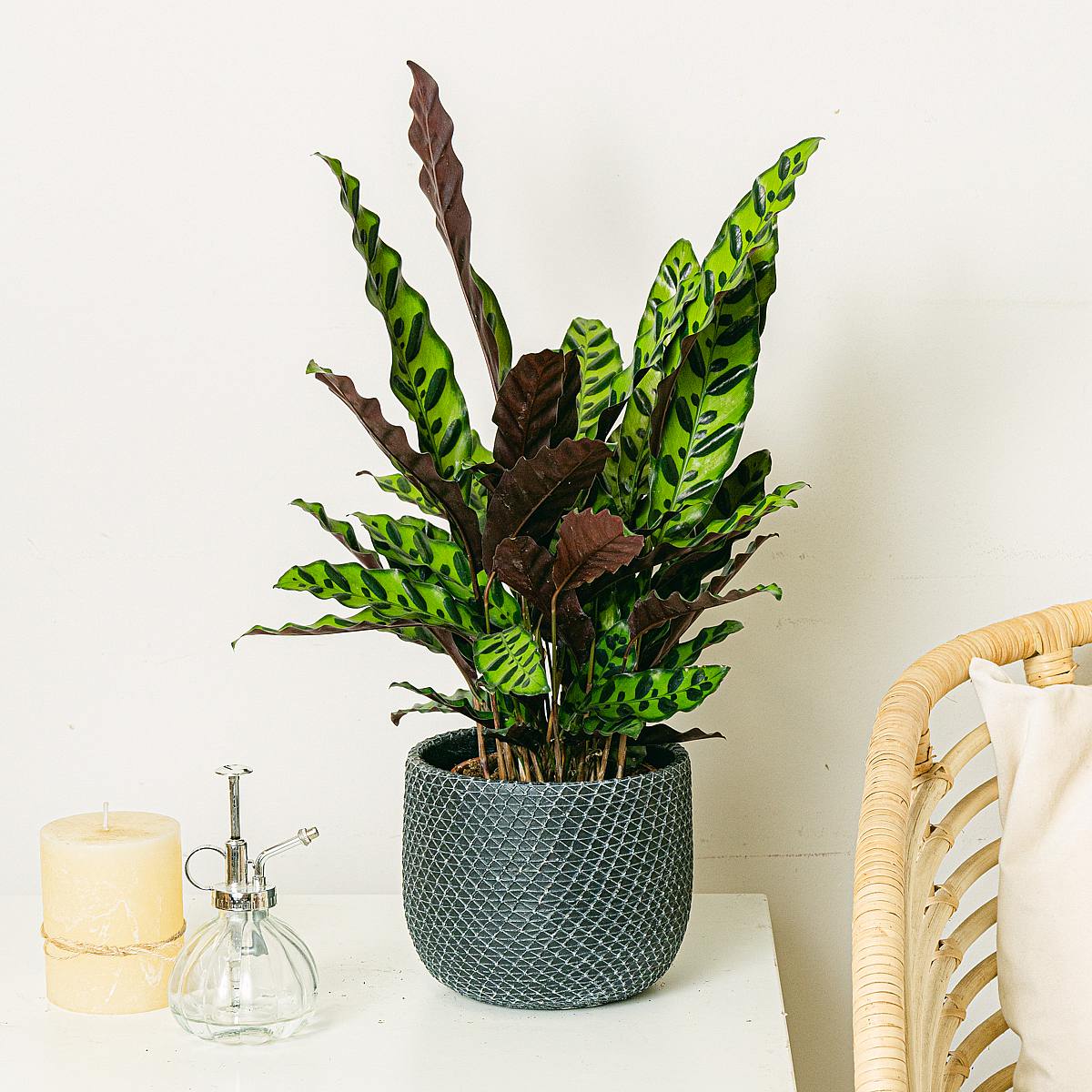
Unlike generic houseplants, the Calathea insigne stands out with its unique leaf patterns and striking purple undersides, making it a conversation piece.
Not ideal if Requires consistent care (humidity, indirect light) to thrive.
View at Be.Green Plant Design · €43 - Hammered Gin Glass Set of TwoShips to UK

The hammered texture sets these glasses apart from standard glassware, adding a tactile and visual appeal that enhances the drinking experience. The generous bowl is designed to elevate the presentation of gin and cocktails.
Not ideal if Fragility of glassware may require careful handling, and the design may not appeal to those who prefer minimalist or ultra-modern styles.
View at nkuku · £40 - Upsidedown Rescue Rosé 2024 — NebbioloShips across Europe
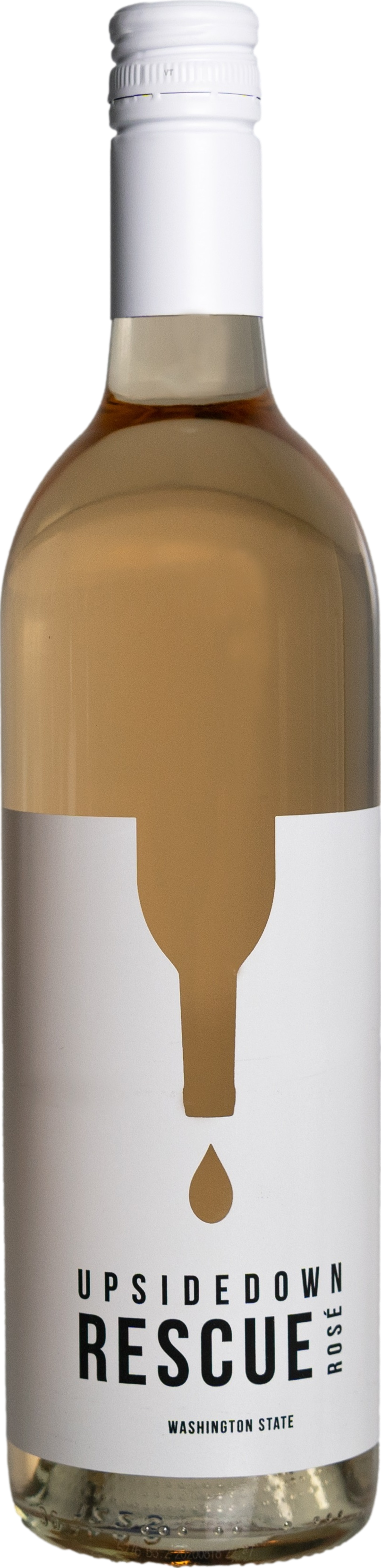
Made from 100% Nebbiolo grapes, this rosé stands out for its unusual varietal choice and Pacific Northwest origin, offering a unique alternative to traditional rosés.
Not ideal if Recipient must enjoy rosé and be open to trying unusual grape varieties.
View at 8wines UK · £20.81
Picked and ranked for fit to a partner on their birthday. Written by Eudora, reviewed by Euphora's founder before publication. Full method: how we choose and rank.
Prices from the shops' feeds, 20 October 2026.
You've been seeing them for two to four weeks and their birthday's arrived
Four dates in, maybe five. You've swapped enough texts to have a favourite coffee order memorised, but you haven't said the word 'girlfriend' or 'boyfriend' out loud yet. Then their birthday lands in the middle of all that, and you're stuck between two competing worries: showing up empty-handed feels wrong, but showing up with something meaningful feels like you're rushing a conversation neither of you has had.
Keep it at the low end of your range, on purpose. Something specific and consumable works better here than anything that lasts: a bottle of something they'd genuinely enjoy, a treat tied to one thing they've mentioned, an object that gets used up rather than displayed. Across the UK, Ireland, Germany and the Netherlands the underlying instinct is the same even where the exact figure differs: a gift that's clearly considered but not weighty reads as attentive, and a gift with real staying power, jewellery, anything monogrammed, anything you'd call 'ours', reads as further ahead than four dates.
If your new partner is German, don't say happy birthday before the actual date. It's a real superstition, not old-fashioned politeness, and getting the timing wrong can genuinely dampen the moment before the gift even comes into it.
You've been dating two or three months, and a rhythm has started to form
Two or three months in, you've got real data: you know if they take milk in their coffee, whether they're a morning person, what they complain about at work. That's enough to make a gift feel personal without it needing to say anything about the future.
This is where the middle of your budget belongs. You can spend a bit more than you would at week three, and you can let the gift reference something more specific: an artist they mentioned, a hobby they're actually into, a food they order every time you eat out together. What still doesn't belong here is anything with symbolic freight: a ring, a necklace with your combined initials on it, anything a friend would immediately ask 'wait, are you guys serious?' about. Two or three months of good dates doesn't automatically license that conversation, and the gift shouldn't have it without you.
You've built a whole gift around the one thing they mentioned once
They said, once, in passing, that they'd always wanted to learn pottery. Maybe they loved a specific singer nobody talks about anymore. Perhaps they missed a snack from where they grew up. You've been turning that comment over ever since, and now you're three tabs deep into planning something elaborate around it: a class booking, a themed evening, a whole box built around one throwaway sentence.
Pull back. The detail is doing its job the moment you use it at all: a small, well-chosen object that references what they said is plenty. Building a production around a single comment tips into presumption, because it assumes the comment carried more weight for them than it might have. The goal here isn't impressive, it's observant. One accurate detail, contained in a small gesture, reads as 'you were listening.' The same detail stretched into an elaborate surprise reads as 'you've been thinking about this a lot,' which is a different, heavier message to send four or five dates in.
Most gift advice worries about underspending. Here, the ceiling matters more than the floor. A modest gift that's specific and well chosen reads better at this stage than a generous one that's generic, and a generous gift that's genuinely thoughtful can still land as too much if you're three weeks in. When in doubt, spend toward the lower half of your budget and put the extra effort into the choice, not the price tag.
The relationship doesn't have a name yet, or it's genuinely complicated
Maybe you've been seeing each other a while but never had the conversation about what this is. Or it's on, then off, then on again, and you're not sure which phase you're in this week. A birthday landing in the middle of that ambiguity makes the gift question harder, not easier, because part of you might be hoping the gift will nudge things toward clarity.
It won't, and trying to make it do that job usually backfires. Overspending or overpersonalising to force a definition reads as pressure, not romance, and it puts weight on an object that a conversation should be carrying instead. Keep the gift modest regardless of how you feel about them privately. If the relationship is genuinely undefined, let it stay that way until you talk about it directly: the birthday gift isn't the venue for settling what you are to each other, it's just a birthday gift.
They told you not to get them anything
Some people say this reflexively and don't mean it. Others mean it exactly as stated. Which one you're dealing with matters more than usual this early, because you don't have the history yet to know their default.
If your partner is Dutch, take the statement literally: directness about preferences is a real cultural default there, not a polite deflection waiting to be overridden. Elsewhere, it's more of a coin flip, and the safest read is to bring something small and inexpensive regardless: a card, a modest treat, something that costs little enough that ignoring the instruction doesn't feel like defiance either way.
In Germany and the Netherlands, gifts are typically opened on the spot, in front of you, not saved for later. Pick something you'd be comfortable seeing them react to in real time. This isn't the moment for a gift that needs a lot of context to land.
Quick decision rules
Treats they wouldn't add to their own basket
Small luxuries that feel like a reward — the kind of thing they'd enjoy but would talk themselves out of buying.
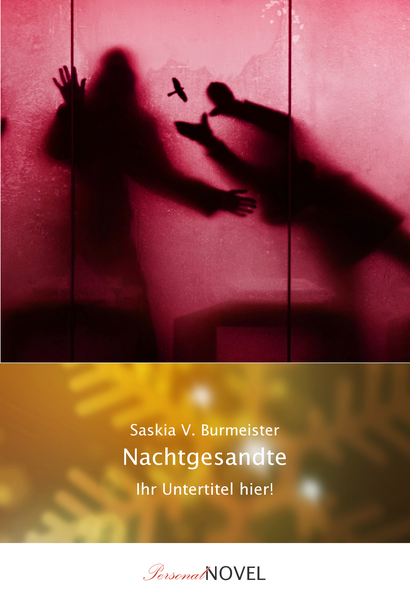
Unlike typical romance novels, this book blends fantasy and supernatural elements, making it stand out for fans of both genres. The unique premise of a cryptozoology enthusiast and a vampire adds intrigue and originality.
Not ideal if Taste-dependent; may not appeal to readers who prefer realistic fiction or non-fantasy genres.

The combination of small-batch gin and artisan snacks sets this gift apart, offering a complete, high-quality tasting experience in one box.
Not ideal if Limited appeal to non-drinkers or those who prefer non-alcoholic gifts.

The classic typography and city/country name elevate it from a generic mug to a sentimental piece. The mix-and-match design encourages collecting multiple cups for a curated display.
Not ideal if Fragility of fine bone china may be a concern.
Every 'just started dating' situation carries its own timeline and its own unspoken rules. Tell us how long you've been seeing them and we'll narrow the calibration down to your specific stage.
AI reads what you write; our code then picks the gifts. How it works
Where to shop
Click any shop to preview what they offer.
A minimalist piece from the safer end of their range stays light rather than heavy with meaning, useful before you know exactly where things stand.
Ships worldwide
Browse Hey HappinessWine reads as thoughtful only once you already know it's something they care about — best saved for after that's clear, not before.
Ships across Europe
Browse 8wines UKQuestions people ask
How much should I spend on a gift for someone I've only been dating a few weeks?
As a rough guide, £20 to £35 in the UK and €25 to €40 in Ireland, Germany and the Netherlands sit in the safe zone a few weeks in: enough to signal effort, not enough to read like you're trying to fast-forward the relationship. Weight it toward the lower end if you're earlier than that.
Is it too much to get someone a birthday gift this early in dating?
No. Not getting anything is its own signal too, and it often reads worse than a small, well-judged gift. The question was never really whether to give a gift, it's how much weight to put behind it.
What's an appropriate gift for someone I just started dating?
Something they'd enjoy on their own terms works better than something that assumes a shared future: a good bottle to open together, a small object tied to one specific interest, or something they'd enjoy privately. Skip anything that needs to be worn permanently or displayed as a couple.
What should I avoid giving someone this early in a relationship?
Jewellery with any symbolic intent, anything monogrammed or with combined initials, and anything framed as a couple's item: a matching set, a shared subscription, a joint experience booked far in the future. All of these presume a timeline you haven't agreed on yet, even if that isn't the intention behind them.
Should I still get a gift if we haven't defined the relationship?
Yes, if you're seeing each other regularly enough that a birthday would naturally come up in conversation. Keep it modest and let it stay a gesture rather than a statement. Skipping the gift entirely can read as more of a statement than giving a small one, so silence isn't actually the neutral option it might feel like.
Do gift-giving norms for new relationships differ across Europe?
A little, though the underlying instinct is consistent across the UK, Ireland, Germany and the Netherlands: restraint reads as respect. Ireland's aversion to 'notions' (the social penalty for showing off) and Germany's concern about creating unwanted obligation both push toward the same conclusion born out in British and Dutch instincts too: a moderate, specific gift outperforms an expensive one in every one of these markets this early on.
The anxiety that brought you here was never really about the gift. It was about what the gift might accidentally say. Get the scale right for where you actually are, four weeks in or four months in, undefined or newly official, and the object stops being a message and goes back to being what it was supposed to be all along: a small, well-judged thing that says you were paying attention.
Euphora helps you find the right gift — with tailored recommendations, gift guides, and specialist retailers we've vetted ourselves.