A Gift for Your Teenager Who Just Came Out
Your teenager just told you something that took them a long time to work up to saying, and now you're standing in front of a screen trying to translate that into a gift. That's a strange kind of pressure. It isn't really about the object. It's about proving, in something you can hand over, that nothing between you has to change. This guide won't give you a symbol to buy. It will help you read what your teenager actually asked for when they told you, so whatever you choose lands the way you mean it.
There's a decent chance two feelings are sitting on top of each other right now. One is straightforward: love, and the urge to show it fast. The other is quieter and harder to admit, a private sense of recalibration, an assumption you didn't know you were carrying until it needed to move. Both are normal. Neither belongs in the object you choose.
Here's something worth knowing before you shop. No gift-giving tradition has anything to say about this exact moment. There's no coming-out gift custom, no expected spend, no correct window of days. That absence isn't a gap you need to fill. It's permission. You're not breaking a rule you didn't know existed, because the rule doesn't exist.
The way they told you is already the instruction
If it arrived as one sentence dropped into a car ride, or a text sent late at night with no follow-up call requested, that's information. It usually means they wanted the fact registered, not examined. A teenager who instead asked if you had a minute to talk properly is bracing for a longer conversation, and probably ready for one.
Neither delivery is bigger or smaller than the other. They just tell you how much room this is meant to take up right now. A gift for the low-key discloser should be almost boring in how normal it is. A gift for the one who sat you down can carry a little more weight, maybe a short note alongside it, because they've already signalled they're ready for the subject to stay present a while longer.
Skip the flag. Skip the mug that says love is love. The instinct to reach for something visibly supportive comes from a good place, but it's usually about proving something to yourself more than to your teenager. Most of them aren't looking to make their coming out a decor choice. They're watching to see if you'll keep treating them like the same person you've always loved, and a gift tied to something they already care about does that job better than any slogan could.
Say it through what they love, not what they are
If you're stuck choosing between a piece of jewellery, a craft kit, and a book, the deciding question isn't which one signals acceptance. It's which one this specific teenager would have picked for themselves in July. An object with real texture, something built by hand over a quiet evening, something that disappears into an interest they already have, communicates more security than anything with a message printed on it. It says: I still know you well enough to choose without asking.
One honest limit here: if your teenager doesn't wear jewellery or has never cared much for craft, don't force one on them just because it's low on symbolism. A voucher for a shop they already browse, or tickets to something they'd have wanted regardless, works the same way. The category matters far less than the fact that it was chosen for them, not for the occasion.
There's a useful principle in Irish gift culture, the mild social discomfort of visibly overspending to make a point. It applies well beyond Ireland. A gift that's dramatically bigger or pricier than anything you'd normally give risks reading as compensation rather than support. In this specific moment, restraint reads as more sincere than scale.
There's no clock running on this
Some parents want to do something within the hour, before the feeling of having heard their teenager has a chance to go stale. Others need a few days to find their footing before they trust themselves to get the tone right. Both are fine. Unlike a birthday, where showing up a day late says something, this moment has no fixed date to measure yourself against. Acting immediately doesn't prove more love than folding a small gesture into their actual birthday three weeks later. What matters is that it arrives eventually, not that it arrives fast.
Who else is going to see this
Before choosing anything visibly symbolic, ask a practical question: does everyone in the house know what your teenager just told you? A grandparent, a younger sibling, or a houseguest who wasn't part of that conversation can clock a rainbow-anything in about two seconds, and suddenly your teenager is managing a disclosure they didn't choose to make to that person yet.
This isn't about hiding what they told you. It's about respecting that they get to decide who else finds out, and when. If you're not certain the household is fully in the loop, keep the gift private in nature, something that means something to the two of you without needing explanation to anyone who happens to see it on a shelf or around their neck.
If your teenager's reaction is quieter or flatter than you hoped, a shrug, a fast 'thanks,' barely any eye contact, try not to read that as failure. A muted response to a gift is a normal way for plenty of teenagers to receive anything, regardless of the occasion behind it. What you're likely seeing is undersell, not disappointment.
Your own adjustment is real, but it isn't theirs to carry
If you're feeling something you didn't expect, surprise, grief for an assumption you didn't know you were making, even a strange guilt that the grief exists at all, that's allowed. It doesn't make you a bad parent. It makes you someone whose picture of the future just got redrawn faster than planned.
What matters is where that feeling goes. It shouldn't go into the gift, and it shouldn't go into the conversation while you're handing it over. Process it somewhere else, with a partner, a friend, a therapist if you have one, so what your teenager gets in that moment is your steadiness, not your processing.
Euphora earns a commission when you buy through these links, at no extra cost to you. How we're paid
Picked and ranked for fit to a son or daughter, just because. Written by Eudora, reviewed by Euphora's founder before publication. Full method: how we choose and rank.
Gift ideas

The key-shaped pendant stands out for its symbolic meaning and elegant design, combining sterling silver with zirconia for a touch of sparkle. The choice of finishes adds versatility.
Not ideal if Jewellery preferences vary; ensure the recipient enjoys delicate, symbolic pieces.
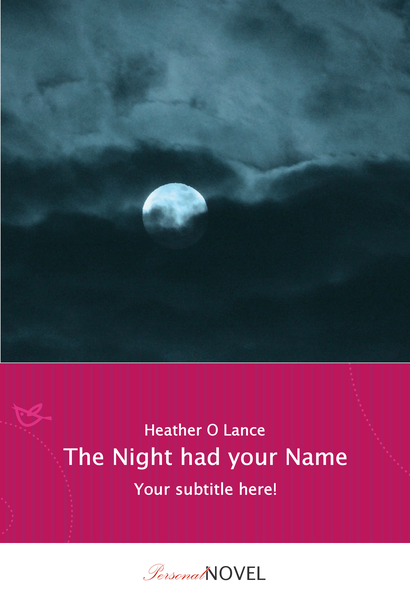
This novel stands out with its blend of historical setting, vampire lore, and a love story fraught with societal obstacles. The gothic atmosphere and suspenseful plot make it a unique choice for fans of the genre.
Not ideal if May not appeal to readers who prefer lighter, contemporary romance or non-fiction.

Its structured 27-trip format with dedicated space for photos and tickets sets it apart from a blank notebook, turning it into a genuine long-term memoir rather than a one-off journal.
Not ideal if Works best for a recipient who already travels and journals; the bright, playful cover leans away from minimalist taste.
More gift ideas

The engraved quotes elevate these cups from ordinary drinkware to a keepsake, making them stand out as a gift with emotional resonance. Set of ultra-matte glazed porcelain cups featuring engraved words and quotes celebrating love and friendship.
Not ideal if Fragility of porcelain may require careful handling; quotes may not resonate with all recipients.
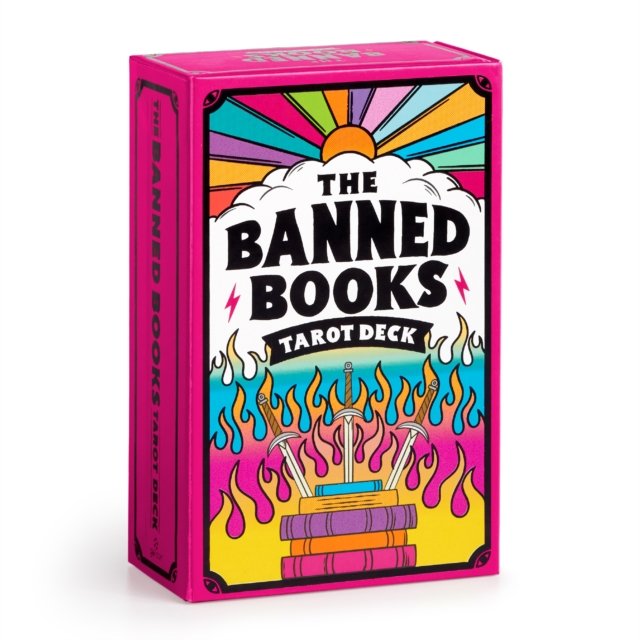
This tarot deck stands out by merging literary history with traditional tarot imagery, offering a fresh and meaningful twist on a classic collectible. It’s well suited to those who appreciate depth and storytelling.
Not ideal if The theme of banned books and tarot may not resonate with everyone, particularly those who prefer lighthearted or mainstream gifts.

A compelling standalone narrative with a unique blend of gothic and romantasy elements, making it a standout choice for fans of the genre.
Not ideal if May not appeal to readers who prefer lighter genres or non-fiction.
Still turning it over? Tell us a bit about your teenager, their interests, how private this still is, and we'll help you find something that fits them, not just the moment.
AI reads what you write; our code then picks the gifts. How it works
Where to shop
Click any shop to preview what they offer.
Printed with a private message only they'd recognise, a personalised bar says something specific and low-key, no extra fanfare needed.
Ships across Europe, plus Australia, Canada and New Zealand
Browse Cadbury Gifts DirectBuilt for 'just because' moments rather than a marked occasion, a modest craft kit lets this stay an easy, normal gesture.
Ships worldwide
Browse Craft Buddy ShopQuestions people ask
What is a good gift for someone who just came out?
Something tied to an interest they already have rather than the disclosure itself: a hobby they're deep into, a genre they read, a running joke between the two of you. Quiet and specific beats loud and generic almost every time.
How do I support my child after they come out to me?
Keep the routines steady. Continue asking about their day, their friends, their plans the same way you always did, and let them bring up more about their identity only when they choose to. Consistency reads as safety far more than a single grand response ever will.
Should I make a big deal out of my teenager coming out?
Match the scale to how they told you. A sentence dropped into casual conversation usually asks for a low-key response. A sit-down conversation usually means they're ready for a bit more warmth and acknowledgment. Watching the delivery tells you more than guessing ever could.
What should I avoid saying or giving when my teenager comes out?
Avoid turning the handover into an interview, a string of questions about labels or plans while they're still holding the gift. Avoid anything visibly identity-marked that other people in the house, who may not know yet, would immediately clock. A brief, sincere sentence does more than an interrogation.
Is it appropriate to give a pride-themed gift if my teen hasn't come out publicly yet?
Check with them first. A visibly themed item can out them to relatives, siblings, or houseguests who weren't told the same way, which puts them in a position they didn't choose. If you're not certain who else knows, a private, unbranded gift is the safer route.
What are good LGBTQ+ gift ideas for a teenager's birthday?
The same logic applies on a birthday as it does here: pick around their actual interests first. A birthday gives you a natural occasion to fold in a little extra warmth without the gift needing to carry the whole weight of the moment on its own.
You came here holding two feelings: wanting to get this right, and quietly recalibrating something you didn't expect. Neither one has to be resolved before you shop. Choose something that would have made sense last month, say one honest sentence if it feels right, and let your teenager set the pace from there. The plainest gift in the world can carry exactly what you mean, if it's chosen with the same care it always was.
Euphora helps you find the right gift — with tailored recommendations, gift guides, and specialist retailers we've vetted ourselves.