Gifts Under €20 That Don't Feel Cheap
Twenty euros. It's the actual budget for most of the gifts we give. Not the ones we agonise over, but the ones we need sorted by Thursday: Secret Santa at work, a small thank-you for the neighbour who watered your plants, a birthday for the colleague you like but don't know deeply. The whole gift industry is geared toward the considered purchase, the meaningful splurge. Which means €20 gifts are mostly an afterthought, wrapped in the same stock tissue paper as indifference.
They don't have to be. The principles that make a €20 gift feel considered are different from the ones that make a €200 gift feel considered. Once you understand them, a tight budget stops feeling like an apology and starts feeling like a clarifying constraint.
Top picks for UK delivery
Euphora earns a commission when you buy through these links, at no extra cost to you. How we're paid
- Gold Surprise Jewellery Gift BoxShips internationally

The surprise element sets this gift apart from standard jewellery purchases, adding excitement and anticipation. The gold jewellery ensures a high-quality, keepsake piece that feels luxurious and special.
Not ideal if The surprise nature means the jewellery may not suit the recipient’s taste or style.
View at Hey Happiness · €16.90 - Creative Acrylics: A Step-by-Step Beginner's GuideShips to UK
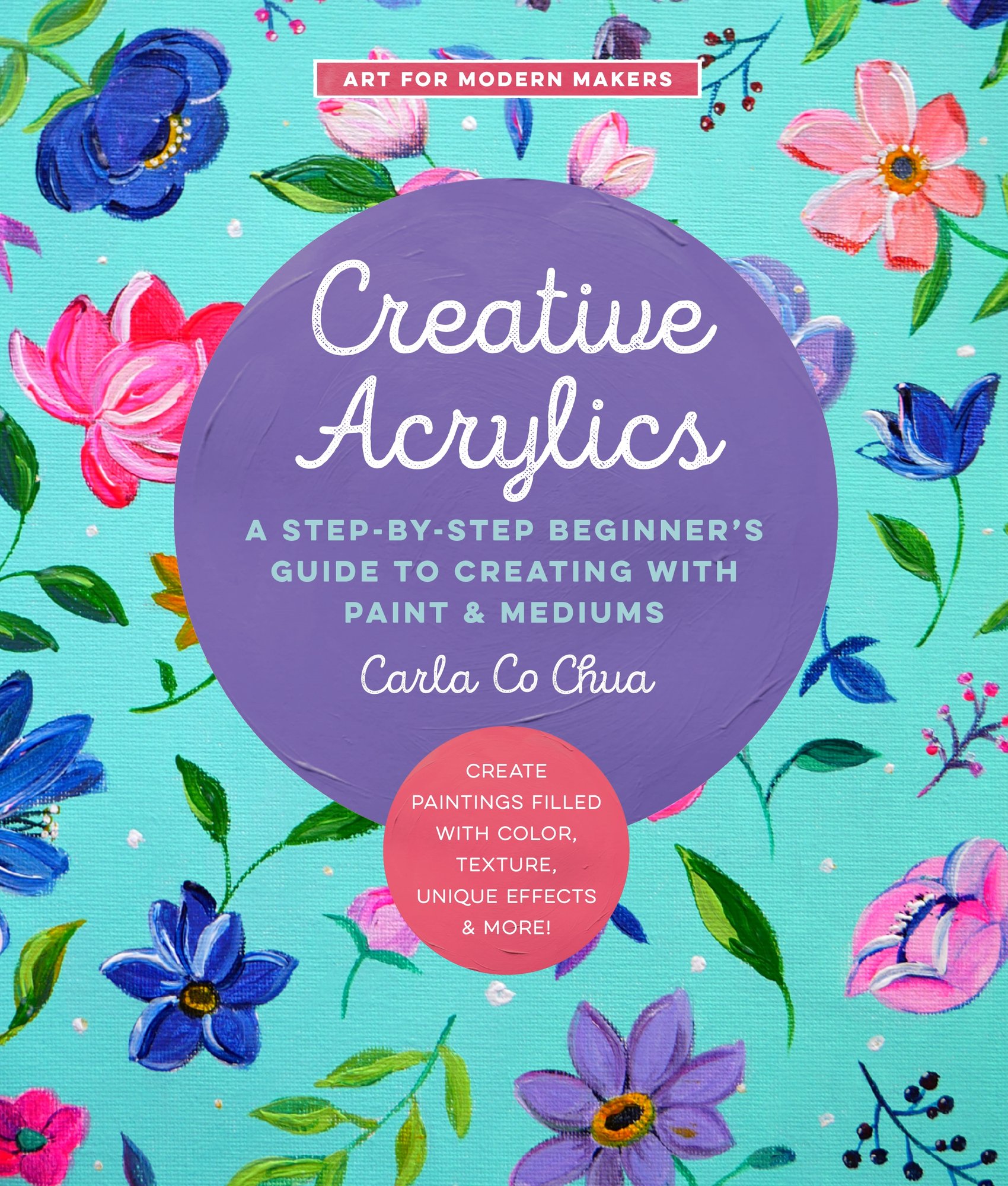
Unlike generic art books, this guide focuses specifically on acrylic techniques with practical exercises, making it accessible and actionable for beginners. The step-by-step approach sets it apart from more theoretical books.
Not ideal if May not appeal to those who are not interested in art or prefer more advanced techniques.
View at Bookshop.org · £16.14 - Be: My Mindfulness JournalShips to UK
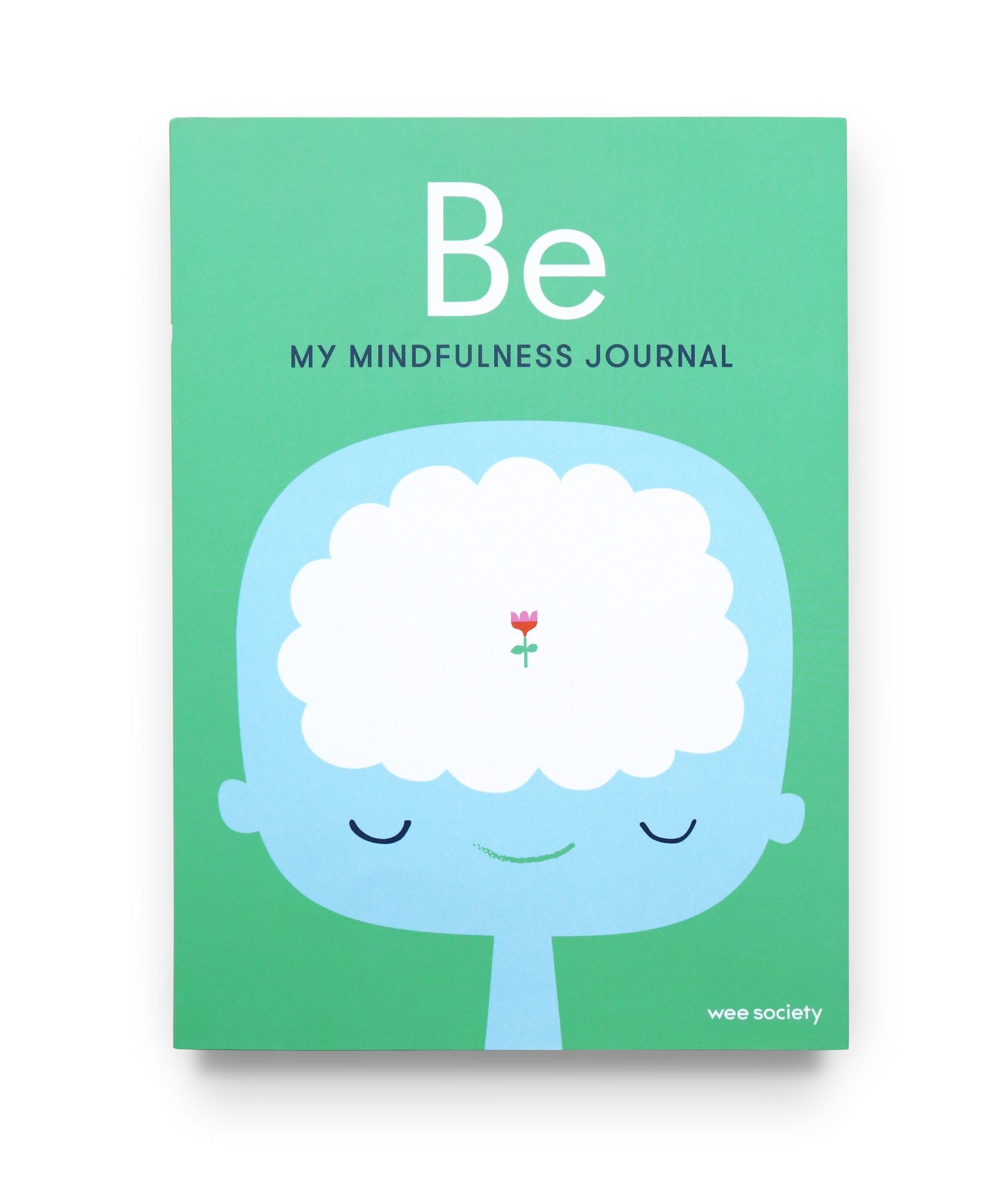
Stands out with its guided prompts and exercises, making mindfulness accessible and actionable. The journal format encourages consistency and reflection, setting it apart from generic self-help books.
Not ideal if May not appeal to those who are not interested in mindfulness or journaling.
View at Bookshop.org · £14.24
Picked and ranked for fit to a friend, just because. Written by Eudora, reviewed by Euphora's founder before publication. Full method: how we choose and rank.
Prices from the shops' feeds, 19 October 2026.
Specificity is the only multiplier at this price
A €12 gift that proves you paid attention will always outperform a €20 gift that proves you didn't. That's the central fact about budget gifting, and most people ignore it because they're too focused on the price tag.
Specificity means the gift contains a piece of information about the recipient: their specific hobby, a running joke between you, an interest they mentioned once in passing. It doesn't need to be expensive to carry that signal. A small book on the subject they can't stop talking about, a kitchen item tied to the cuisine they've been trying to cook, a pocket notebook sized for the jacket pocket of someone who is always fishing for something to write on. These are specific. A generic scented candle or a multi-item 'pamper set' is not, no matter how the packaging is styled.
Specificity beats price because a specific gift is evidence of attention, not evidence of spending. 'They noticed' is worth more than 'they spent'. At €20, you can almost always afford to be specific. What you can't afford is to be generic.
One good thing beats three mediocre ones
The instinct when spending €20 is to fill the space: a small candle, a lip balm, a bar of chocolate, some tissue paper, a ribbon. The bundle feels like more. It usually isn't.
Three €5 items from a gift set aisle communicate that you bought a gift set from the gift set aisle. One €18 item that fits the person's actual taste communicates the opposite. Budget gifts get into trouble when givers try to create the appearance of abundance. The wrapping gets more elaborate to compensate for the contents being thin; the pile looks generous until it's unwrapped and there's nothing of substance inside.
The practical rule: spend 90% of your budget on one item, and 10% on wrapping. Not the reverse. If you can't find one item worth €18 for this person, you haven't thought hard enough yet, or you need to pick a different category. Food, drink, stationery, small tools, books, and single-use sensory experiences (a good bath product, a specialty tea) all produce strong single-item gifts at this price point.
Research on giver-recipient preferences consistently shows that givers optimise for the reaction at unwrapping (what looks impressive in the moment) while recipients value long-term usefulness. This gap is sharpest at low budgets. A giver spending €20 is most tempted to buy for the unwrapping moment (a visually appealing bundle) rather than the day-to-day reality (one thing the recipient will actually use for months). When you catch yourself choosing a gift because it 'looks like something', that's the giver instinct overriding the recipient's interests.
Consumable luxuries consistently punch above their price
There's a category of gift that works reliably at €20: something the recipient would genuinely enjoy but would never justify buying for themselves. Not because they can't afford it, but because it feels slightly indulgent: a specialty food item, a single-origin coffee, an unusually good hot sauce, a small-batch soap that costs three times what the regular version costs.
The logic of the consumable luxury: people buy themselves functional versions of everyday things. They buy the standard olive oil, the mid-range coffee, the unscented hand cream. They don't buy the expensive version because it feels wasteful, even when they'd appreciate the difference. A gift removes that decision entirely. The recipient gets to experience something they'd have denied themselves, which produces genuine pleasure rather than polite acknowledgement.
Two conditions make this work. First, it has to be something they'll actually use. The specialty food category requires you to know their diet and taste preferences. Second, it has to be something where quality is genuinely perceptible. A slightly nicer version of a pen they wouldn't normally buy doesn't carry the same charge as a food or drink item where the difference between 'regular' and 'specialist' is immediately obvious on the palate.
The consumable luxury principle also solves the storage problem. At €20, many object-based gifts feel disposable. They'll take up space without earning their place. A food or drink item disappears pleasurably and leaves no awkward residue in someone's home.
For Secret Santa or workplace gift exchanges (common in Germany, the Netherlands, Ireland, and the UK), the consumable luxury principle is doubly useful. You often don't know the recipient well enough to be specific about their tastes. A high-quality food or drink item sidesteps that problem: it signals consideration without requiring intimate knowledge. Aim for something with visible craft credentials (a specialty producer, an unusual origin) rather than a supermarket premium line.
Treats they wouldn't add to their own basket
Small luxuries that feel like a reward — the kind of thing they'd enjoy but would talk themselves out of buying.

Unlike generic craft kits, this one features Victorian-style rabbit figurines, adding a unique, nostalgic charm. Each finished bunny stands 24cm tall and comes with all materials needed.
Not ideal if Requires the recipient to enjoy crafting or DIY projects.

The reusable jute bag and authentic curry ingredients set this kit apart from standard food gifts, offering practicality.
Not ideal if The curry flavor may not suit all tastes, and the ingredients require refrigeration, which could be a limitation for some recipients.
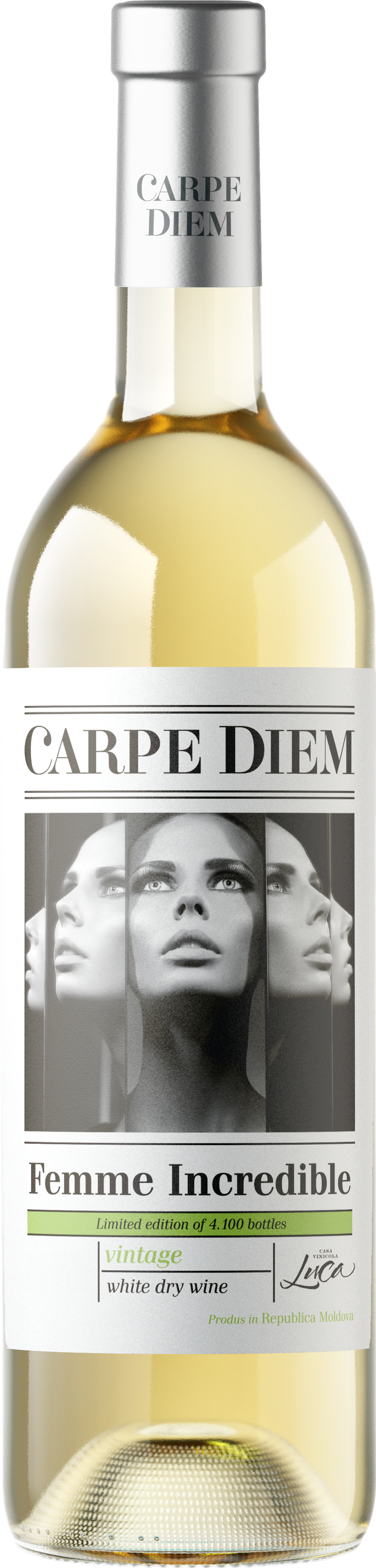
The blend of indigenous Moldovan grapes and hand-harvesting process sets this wine apart from mass-produced alternatives. Hand-harvested and aged in stainless steel, it delivers floral and herbaceous notes with tropical character.
Not ideal if Recipient’s wine preferences (e.g., sweetness, body) may not align with this dry, aromatic blend.
Presentation does more work than most people allow
A handwritten note changes how a gift is received. Not a card from the gift-card rack with two lines scrawled inside: a genuine note, even three sentences long, that names something about the person or the occasion. Recipients remember notes longer than they remember most €20 objects.
At this price point, presentation is a real lever. The gift itself doesn't have a brand story to tell or a pedigree to carry the moment. You have to carry it. A well-wrapped object with a real note is a more considered gift than a mediocre object in a box with a generic card. This isn't about elaborate wrapping. Brown paper and twine, or even a good reusable fabric bag, works better than plastic gift wrap with a branded sticker.
Timing also matters more at this budget than at higher ones. A €20 gift that arrives exactly when someone needs it (after a stressful week, on the morning of something they've been anxious about) lands completely differently from the same gift delivered two weeks later when the moment has passed. Consumables are especially well-suited to good timing because there's no awkwardness about whether to open them immediately.
One practical addition that costs almost nothing: tell the person why you chose the specific thing. Not a paragraph — one sentence. 'I got you this because you mentioned you've been trying to cook more Japanese food' does more than any amount of ribbon.
The gift hamper or bundle trap: assembling a collection of small, unrelated items (a candle, a bath bomb, a small chocolate) to make the gift look fuller is almost always the wrong move at €20. The individual items are each too minor to stand alone, and grouped they communicate 'I filled a basket'. If you find yourself thinking 'I'll add a few small things to bulk it out', stop. That instinct is the giver optimising for visual impressiveness at the expense of actual quality. One item, chosen well, is always the stronger choice.
Tell us about the person you're buying for and we'll find specific €20 gift ideas from real shops that match their interests.
AI reads what you write; our code then picks the gifts. How it works
Where to shop
Click any shop to preview what they offer.
Chocolate gifts that genuinely fit under €20
Ships across Europe, plus Australia, Canada and New Zealand
Browse Cadbury Gifts DirectSmall bath sets that feel premium at this price point
UK, US
Browse Scottish Fine SoapsQuestions people ask
Is €20 enough for a birthday gift?
For casual birthdays (a colleague, a friend you see occasionally, someone outside your close circle), €20 is entirely appropriate. What it requires is care in selection. A €20 book on a subject the person is visibly passionate about is a more meaningful birthday gift than a €50 generic item. The threshold where €20 starts to feel insufficient is when the relationship carries high emotional stakes: a close friend's milestone birthday, a romantic partner, a family member with whom gifts signal real investment. For those, the budget conversation is separate from the gift-selection conversation.
What's the best category for a €20 gift when you don't know the person well?
Food and drink are the safest category when you have limited knowledge about the recipient. Within that, go narrow rather than broad: a specialty item from a specific region or producer rather than a mixed selection. The reasoning: a single distinctive item (an unusual honey variety, a small-batch hot sauce, a specialty tea with clear provenance) tells a better story than a generic assortment. It also travels well as a workplace or Secret Santa gift where dietary caution is warranted. Most specialty food items come with clear ingredient information.
How do you make a €20 gift feel more generous than it is?
The framing is slightly wrong: you're not trying to make it feel like more than it is, you're trying to make it feel considered. Those aren't the same thing. A gift that clearly had thought behind it doesn't need to feel expensive; it needs to feel appropriate. The practical actions: choose one specific item rather than multiple generic ones, write a genuine note rather than signing a card, time the gift well, and skip the over-wrapping that signals you're compensating for thin contents. A plain envelope with a real message outperforms a cellophane basket with a printed label.
Are experience gifts worth considering at this price?
At €20, true experience gifts (tickets, classes, bookings) are rarely available at meaningful quality. The exception is digital experiences: an e-book by an author the person loves, a digital magazine subscription in a subject they're interested in, a short online course in something they've mentioned wanting to learn. These work because the value is in the content, not the price. Be cautious with generic experience gift cards in the €20 range. They often feel like deferred purchasing power rather than a genuine gift. If you're going the experience route, make it specific: tied to something the person actually wants to do, not a category they might find something in.
What should I avoid at this budget?
Generic personal care items unless you know the person's preferences well: body lotions, soaps, and candles from non-specialist sources tend to signal 'I bought something' rather than 'I chose something'. Multi-item gift sets assembled by a retailer rather than by you, because they communicate that someone else made all the decisions. Miniature versions of expensive things (small formats of luxury fragrances, for instance) that create the appearance of premium without delivering a usable quantity. And anything that's primarily about its own packaging: gifts where the box is more considered than the contents tend to disappoint once opened.
Does the €20 budget work differently across Germany, the Netherlands, and the UK?
The principles are the same, but the cultural context around giving differs slightly. In Germany the draw is called Wichteln, and custom puts an original idea ahead of the price; in the Netherlands it's lootjes. Each group sets its own amount, so ask what yours has agreed. In the UK, Secret Santa caps are most often around £10, so €20 is generous by comparison. In Ireland, Kris Kindle budgets vary by office, so check yours. Wherever you are, presentation and specificity matter more than total spend: a thoughtfully wrapped item with a note is received well regardless of what the budget was.
Twenty euros is almost always enough. What it's not enough for is laziness: the quick reach for something generic, the multi-item bundle assembled from whatever was convenient, the gift that could have been for anyone. The constraint sharpens the question: what do you actually know about this person? What would they use, eat, drink, or read that they wouldn't choose for themselves?
When you answer that honestly, €20 stops being an apology and starts being an edit. Most people receive too many gifts that feel like volume. A single thing, chosen with attention, is quietly rare.
Euphora helps you find the right gift — with tailored recommendations, gift guides, and specialist retailers we've vetted ourselves.