How Much to Spend on a Gift: A Realistic Guide by Relationship
Nobody publishes their gift receipts, so you've spent years guessing whether your usual amount reads as generous, stingy, or right down the middle, with zero way to check. That guesswork is the actual problem here, not your taste in gifts. This guide gives you the mechanics: the two variables that set every gift budget, the specific numbers for the moments that cause the most second-guessing, and the arithmetic behind group gifts, where the real financial surprises happen. By the end, you'll have a number you can trust, not just a vibe.
Top picks for UK delivery
Euphora earns a commission when you buy through these links, at no extra cost to you. How we're paid
- Regent Bows Mulberry Silk Pillowcase in Hand-Painted BlueShips internationally
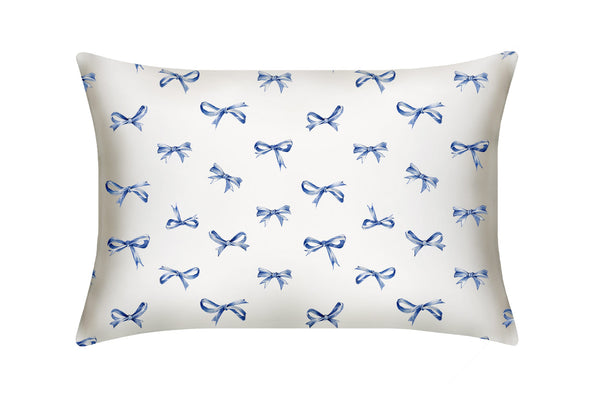
The hand-painted blue ribbon bows elevate it from a standard silk pillowcase, adding a unique, artisanal touch. The 25 Momme silk ensures superior quality and durability.
Not ideal if May not appeal to those who prefer minimalist or non-decorative bedding.
View at Mayfairsilk · £57 - Monstera Variegata PlantShips across Europe

The variegated foliage and dramatic split leaves make this Monstera a standout plant, offering a unique and eye-catching addition to any space.
Not ideal if Requires bright, indirect light and moderate care; may not suit recipients without suitable conditions or those who prefer low-maintenance plants.
View at Be.Green Plant Design · €49 - Personalised Buffalo Leather Notebook with Black EdgesShips internationally

The combination of premium buffalo leather, black-edged pages, and a personalised embossed letter sets it apart from standard notebooks. The gift box adds to its presentation as a luxury item.
Not ideal if Personalisation may limit re-gifting.
View at Design Letters · €67
Picked and ranked for fit to a just-because gift. Written by Eudora, reviewed by Euphora's founder before publication. Full method: how we choose and rank.
Prices from the shops' feeds, 20 October 2026.
You have a number in your head. You have no idea if it's right.
This is the moment before you commit: cart open, card ready, one figure stuck in your head that either feels slightly too low or slightly too high, with no real evidence either way. Gift amounts are one of the only social norms nobody states out loud. You won't ask a colleague what they spent on the last office collection, and they won't tell you. So the number you're second-guessing right now was never calibrated against anything real, it was assembled from vague memory, one dramatic anecdote about someone's extravagant wedding gift, and a general fear of getting it wrong in either direction.
Set the number from two variables, not one. First, how close is this relationship, really: acquaintance, friend, close friend, family, partner. Second, how much weight does the occasion carry: a casual birthday sits at the bottom of that relationship's range, a wedding or a major milestone sits at the top. Affordability comes in as a ceiling on the result, not as the starting point. Most people default to a single flat figure they reuse everywhere, which is exactly the mistake: a coworker's leaving card and a best friend's 40th are not the same decision, even though they might feel like it while you're staring at a checkout page. The number doesn't measure how much you care. It's not a scorecard of affection, it's a signal of where the relationship currently sits and how much weight the occasion carries, and that's genuinely useful to know before you shop rather than a fact to feel bad about.
The most reliable way to set a number is to ignore the most memorable story you've heard about someone else's gift. A friend who once spent £150 on a wedding present is an outlier, not a benchmark, and outliers get remembered precisely because they're unusual. Anchor on the typical range for your relationship tier, not the most dramatic data point rattling around in your memory.
The occasion changes the number more than the relationship does
A colleague you're moderately friendly with gets a different amount for their birthday than for their wedding, even though the relationship itself hasn't changed. Occasion weight moves the number independently of closeness, and that's the part most people miss. Take the casual, no-occasion gesture: the kind you'd give a friend just because. That typically sits at the low end of a relationship's range, where restraint reads as confident rather than cheap. Milestone occasions multiply from that floor instead of replacing it. Family Christmas gifts usually land two or three times the casual figure for the same relationship. Weddings sit higher still, especially when attended as a couple or contributed to through a group collection, because the occasion itself carries unusual social weight.
Treat the casual, no-occasion figure as your floor, then scale up by how much the occasion actually matters, not by how much you feel like spending that particular week. A colleague's retirement collection deserves more than their birthday card. Your close friend's milestone birthday deserves more than last year's ordinary one. If you're unsure how much an occasion 'weighs,' ask whether it's a once-per-relationship event, like a wedding, a new baby, or a retirement, or a recurring one, like an annual birthday or Christmas: once-per-relationship events justify the higher end of the range.
In Germany, a gift that's too generous for the occasion can create Verpflichtung, a felt obligation to reciprocate at the same level, which makes restraint the more comfortable choice for both sides. The Dutch have a similar instinct captured in the phrase 'doe maar normaal, dan doe je al gek genoeg,' roughly 'just act normal, that's already enough,' which is why Dutch budgets run consistently lower than their neighbours without that being a compromise.
Know your tier now? Tell us who the gift is for and we'll match ideas to that exact number instead of a generic range.
AI reads what you write; our code then picks the gifts. How it works
The office collection has a cap. Is there a 'real' gift you're also supposed to buy?
Group gifts create a specific kind of confusion that individual gifts don't: the gap between what you contribute and what the group produces. A £10 contribution to an office collection doesn't mean the gift is worth £10; it might be worth £150 once colleagues chip in. That confusion runs the other way too. A family Christmas can feel affordable gift by gift and then land as a genuine shock once every individual purchase is added up, because nobody priced the total before pricing the parts.
Separate the two questions entirely. If you're contributing to a pooled gift, your number is simply your contribution: match it to the cap or the suggested amount, and don't quietly add a second, personal gift on top unless you actually want to and can afford it, since that's a choice, not an obligation the collection created. Setting a family or friend-group budget yourself works differently: decide the total you can spend across everyone first, then divide it by the number of people, rather than pricing each person's gift in isolation and discovering the sum in December. The arithmetic error here isn't about judgement, it's about which direction you calculate in.
If your workplace sets a Secret Santa cap, that cap is the whole answer, not a floor. The organisers set it precisely so nobody has to guess whether a 'real' gift is expected on top. Treat the stated limit as complete unless the group explicitly says otherwise.
The relationship has changed. Your gift budget hasn't caught up yet.
Gift amounts tend to freeze at whatever level they started, even as the relationship itself moves. A colleague who becomes a genuine friend over a couple of years might still get colleague-tier spending, purely out of habit. The reverse happens too: someone who's drifted from close friend to occasional contact might still receive close-friend-tier gifts because that's what you've always done, and adjusting downward can feel like a statement neither of you actually wants to make.
Recalibrate deliberately every year or two rather than never. Ask honestly where the relationship sits today, not where it sat when you set the original number. Recalibrating spend isn't score-keeping, it's just accuracy: a gift amount is a snapshot of a relationship's current state, and snapshots go stale. If a downward adjustment feels awkward to make explicit, let it happen gradually through occasion choice rather than a sudden visible drop: a smaller, more personal gesture for a milestone reads very differently from a smaller version of the exact same gift you gave last year.
The same relationship, the same occasion, a different number in every country
A gift that reads as generous in Madrid can read as presumptuous in Amsterdam, for the same relationship and the same occasion. Spanish gift culture expects visible effort and warmth even without a special occasion behind it: a purely practical item with no emotional or aesthetic dimension reads as thin. Dutch and German culture run the opposite instinct, treating restraint as the sophisticated choice and an oversized gesture as something that creates unwanted obligation. France sits closer to Spain on effort, though the effort shows up in presentation rather than price: a modest gift wrapped properly outperforms an expensive one handed over in a shop bag. Ireland's social pressure runs through a different mechanism entirely, the fear of 'notions,' where a gift that's too polished for the occasion can embarrass the recipient rather than please them.
When you're buying across a border, or for someone whose cultural background differs from your own, shade the number toward the local convention rather than your own. A modest gift given in the Netherlands isn't a lesser gift, it's a well-calibrated one, and a well-wrapped mid-range gift in France will outperform a pricier one with careless presentation. A few hard rules travel across all six of these countries regardless of budget: skip chrysanthemums entirely, since they carry funeral associations in France, Germany and Spain and a broader white-flower taboo elsewhere, and never give a knife or anything bladed without including a coin, which symbolically 'buys' the blade and cancels the omen in the UK, Germany and France.
Quick decision rules
Gifts that say 'I noticed'
Chosen because you spotted something specific about who they are — not generic, not safe, just right.

The custom family portrait engraving makes this necklace a one-of-a-kind piece, far more personal than generic jewellery. The waterproof stainless steel ensures it can be worn daily without damage.
Not ideal if This necklace is made to order, so it needs lead time, not a fit for a last-minute gift.
Treats they wouldn't add to their own basket
Small luxuries that feel like a reward — the kind of thing they'd enjoy but would talk themselves out of buying.

Unlike generic moisturisers, this cream combines peptides, bakuchiol (natural retinol), and hyaluronic acid for targeted anti-aging benefits.
Not ideal if Skincare preferences are personal; may not suit those who don’t use anti-aging products.

The letterbox delivery eliminates shipping hassles, and the personalised card adds a thoughtful touch. The inclusion of award-winning cheddar and charcuterie elevates it above standard hampers.
Not ideal if Contains dairy and meat, so not suitable for vegans or vegetarians.
Where to shop
Click any shop to preview what they offer.
Building a hamper from scratch keeps the final spend exactly proportional to the relationship, not the occasion.
UK
Browse Real Food HubChoosing between a safe pick and a bolder one lets the price track how well you actually know the person, not the calendar.
Ships across Europe
Browse 8wines UKQuestions people ask
How much should you spend on a wedding gift?
It depends on both your closeness to the couple and whether you're contributing to a group gift or giving individually. As a rule of thumb, a wedding sits at the top of whatever range your relationship already supports: a moderate acquaintance might contribute €30-60 as part of a group collection, while a close friend or family member giving individually often lands closer to €100-200, sometimes more if you're attending as a couple and combining contributions. The occasion, not the relationship alone, is what pushes the number up.
How much should you spend on a Christmas gift for family?
Set a total household budget before you price a single gift, then divide it across everyone on your list. That order matters more than the individual number: pricing each family member's gift in isolation is exactly how a Christmas budget quietly doubles between the first purchase and the last. Once you have your total, weight it by closeness the same way you would for any occasion, immediate family toward the top, extended family and in-laws toward the lower middle.
Is it rude to spend too little on a gift?
Rarely, and less often than most people fear. Spending less than you technically could afford isn't stinginess, it's proportion, provided the amount roughly matches the relationship and the occasion. What reads badly isn't a modest gift, it's a mismatch: a token gesture for someone genuinely close to you, or an elaborate one for someone you barely know. Dutch and German gift culture treat restraint as the confident choice for exactly this reason.
How much should you spend on a gift for a coworker or boss?
Coworker gifts almost always run through a group mechanism, an office collection or a Secret Santa cap, and the cap is the complete answer: there's no unwritten 'real' gift expected alongside it. For a boss specifically, check whether your workplace has a norm against gifting upward at all; where it's expected, a modest, individual gift in the €15-25 range is typical, calibrated toward professional distance rather than personal closeness.
How much is too much to spend on a gift?
Too much is less about a specific figure and more about what the amount signals. Spending more than the relationship or the occasion calls for isn't generosity, it's pressure: in Germany it can create Verpflichtung, a felt obligation to reciprocate at the same level, and in Ireland it risks 'notions,' the social penalty for a gesture that outscales the occasion. If a gift would make the recipient feel they now owe you something equivalent, it's overshot.
How much should you spend on a gift for someone you just started dating?
Treat a new relationship as its own tier, below 'close friend' and well below 'partner of several years,' regardless of how you feel about them. Something modest and thoughtful, in roughly the same range as a good friend's birthday gift, avoids the two real risks here: underwhelming someone you're genuinely excited about, and overwhelming someone who isn't ready for a gift that implies more commitment than the relationship has earned yet.
You probably didn't need a stranger on the internet to tell you the number, you needed permission to trust the one you'd already half-decided on. Most gift amounts are closer to reasonable than the anxiety around them suggests. Set it by closeness and occasion, check it against your own math rather than someone else's outlier story, and spend the rest of your energy on the part that actually matters: the choosing, not the guessing.
Euphora helps you find the right gift — with tailored recommendations, gift guides, and specialist retailers we've vetted ourselves.