Mother's Day for the New Grandmother: What to Get Her
Somewhere between the baby announcements and the flood of 'congratulations, Nana' cards, it's easy to lose track of the fact that this is still her day, not the baby's. Your mum just became a grandmother, and everyone in the family has quietly started renaming her. This guide is about giving her something that says you still know exactly who she is, with the new role folded in as a warm aside rather than the whole point.
Top picks for UK delivery
Euphora earns a commission when you buy through these links, at no extra cost to you. How we're paid
- Personalised Crystal Art Canvas — 50×50cm (Mounted)Ships internationally

Unlike standard photo prints, this canvas uses crystal gems to create a textured, sparkling effect that elevates the artwork into a statement piece. The personalisation process ensures it’s one-of-a-kind.
Not ideal if Needs a high-quality photo and a 4-6 week lead time, so it can't be a last-minute pick.
View at Craft Buddy Shop · £44.99 - Heart Pendant on Snake Chain Necklace in GoldShips internationally

The engravable heart pendant stands out as a customizable keepsake, unlike generic jewellery. A heart-shaped pendant on a rounded snake chain, made from durable stainless steel in gold, rose gold, or silver.
Not ideal if Stainless steel may not appeal to those who prefer precious metals; engraving adds cost.
View at Hey Happiness · €39.90 - Engraved Fine Bone China Mug with Love & Friendship QuotesShips internationally

The laser-engraved quotes about love and friendship set this mug apart, making it a sentimental and durable keepsake rather than a generic drinkware item.
Not ideal if Engraved quotes may not resonate with all recipients.
View at Design Letters · €24
Picked and ranked for fit to a mother on Mother's Day. Written by Eudora, reviewed by Euphora's founder before publication. Full method: how we choose and rank.
Prices from the shops' feeds, 19 October 2026.
Something has shifted in how the family talks about your mum this year, and you've noticed it even if nobody's said it out loud. She's the same woman who raised you, but suddenly every card in the shop, every relative on the phone, every conversation defaults to 'Grandma' first. Maybe she's thrilled by it. Or maybe she's quietly wondering where the rest of her went. Honestly, it could be both in the same week. You don't need to solve that tension before you buy her something, just leave room for either version of how she's feeling without assuming you already know which one is true.
The Person Who Existed Before 'Grandma'
Before she was anyone's grandmother, she was a person with her own taste, her own friendships, and her own version of a good evening that had nothing to do with anyone else's needs. That version of her hasn't gone anywhere, but she may not have been asked about it in a while. The strongest gift you can give this year has nothing to do with the baby at all: a piece of jewellery chosen for how it looks on her, not what it says about her family. A proper bottle of something she'd never buy for herself on a Tuesday. An afternoon that's actually hers, with no childcare attached to it. None of these need to mention the word 'grandmother' anywhere. That's the point. When she opens something and it's clearly, specifically for her, the message underneath is simple: you still see the whole person, not just the new title everyone's handing her.
If you're buying across borders, the timing itself gets complicated. Mothering Sunday falls in March across the UK and Ireland, often while a new grandchild is only weeks old. Mother's Day in Germany and the Netherlands is widely marked in May instead, by which point the family has had a couple of months to settle into its new shape. A gift bought in March for a newborn-fresh transition and one bought in May for a several-months-in transition are answering two different emotional moments, even though they carry the same name.
A Nod, Not a Takeover
None of this means pretending the new baby doesn't exist. It would be strange, and probably a little hurtful, to give her a gift that acts like nothing has changed. The skill is proportion: let the acknowledgment be a single line inside a bigger gift, not the theme of the whole thing. A card that says something specific rather than 'Happy Mother's Day, Grandma' does more work than an entire basket of grandchild-themed merchandise. A piece of symbolic jewellery, chosen for what it represents rather than what it announces, can carry a quiet note of new growth without spelling out the word 'baby' anywhere on it. Save the framed photos and the engraved 'Nana' mugs for later, once there's actual history between her and this child. Right now, there isn't much yet, and a gift built entirely around photos that don't exist yet reads as premature rather than thoughtful.
Three completely unrelated cultures land on the same instinct here. The Irish call it avoiding 'notions.' Dutch culture has zuinigheid, a discomfort with visible extravagance. Germans talk about avoiding Verpflichtung, the sense of obligation an overly generous gift can create. None of these are about being cheap. They're about a shared, cross-cultural belief that thoughtfulness reads better than spend, especially inside a family. A modest gift chosen with care will outperform an expensive one chosen in a hurry, in every one of these four countries.
Reading Where She Is in the Transition
Watch how she's been talking about the baby before you decide what to buy. If she lights up every time the subject comes up, brings out her phone unprompted, and seems energised by the new role, lean into it gently: a piece that nods to the milestone will land well, as long as it's chosen for her taste and not just her title. Should she instead have gone a little quiet, deflecting questions about babysitting or joking in a way that sounds like it's covering something else, she may be feeling less central than she used to be, perhaps sidelined from a role she once held with her own children. In that case, skip the grandmother framing entirely this year. Give her something that has nothing to do with the baby at all, and make sure some part of the day is unmistakably about her, separate from any wider family celebration happening around the new arrival.
Skip the 'World's Best Grandma' mug, the matching family jumper, and the personalised ornament with the grandchild's name on it. They're everywhere this year because the baby is the freshest news in the family, which makes them the easiest gift to reach for, not the most thoughtful one. The same goes for photo keepsakes built around the new baby: there isn't much shared history yet to draw on, and a frame full of borrowed photos tends to read as premature rather than heartfelt. Save that idea for a birthday a year or two from now, once there's a real memory behind it.
More ways to say 'I see you'
More ways to show you've been paying attention — different angles on the same thoughtful instinct.
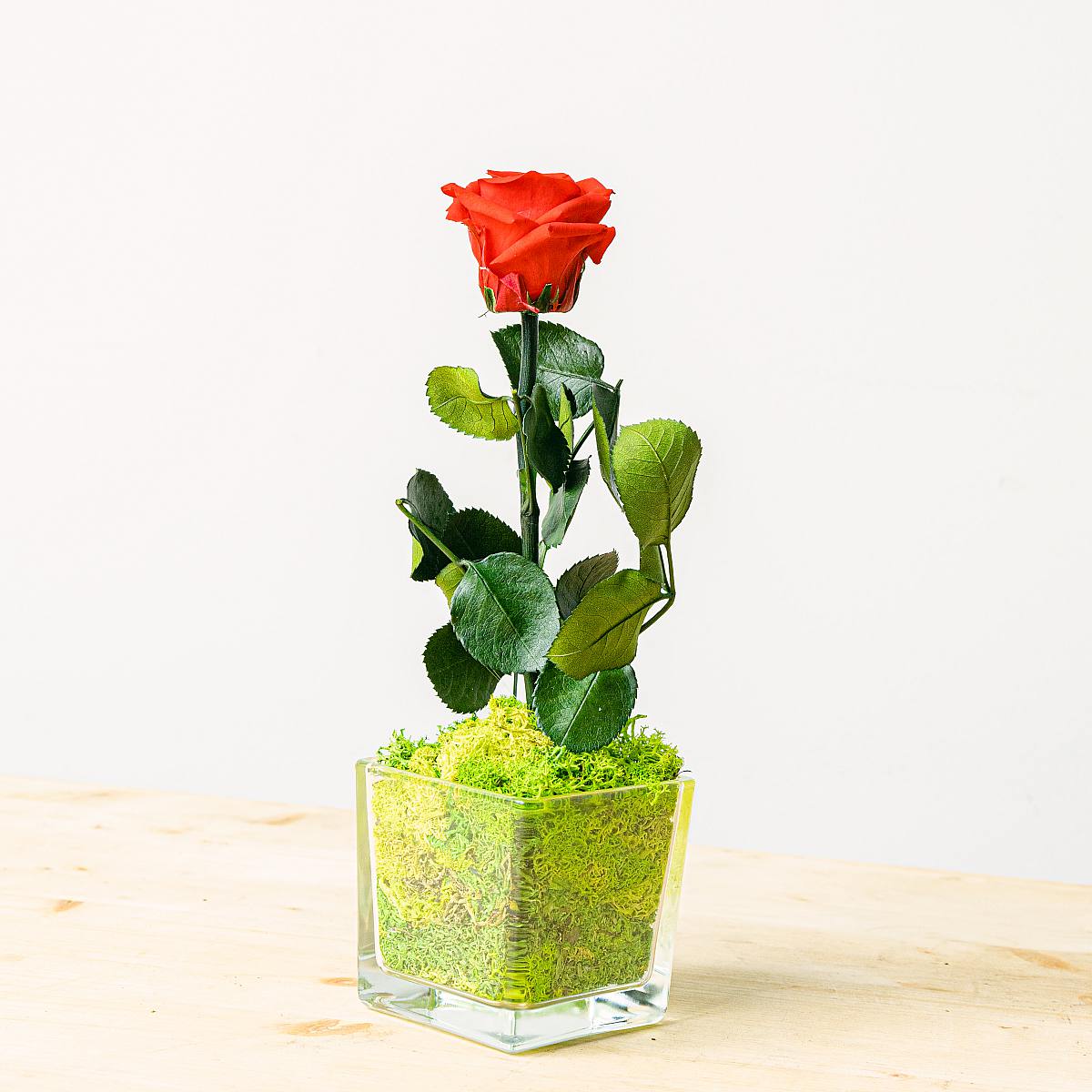
Unlike fresh flowers that wilt, this preserved rose maintains its beauty indefinitely, making it a unique and enduring keepsake. The glass dome adds a touch of sophistication.
Not ideal if A decorative glass dome that needs a careful spot, a weaker fit for someone who wants practical gifts.

The natural stone heart and recycled materials make this charm stand out as both and sentimental. Measures 0.6-10mm and pairs beautifully with other charms.
Not ideal if The small size may not appeal to those who prefer bold jewellery.

Unlike generic greeting cards, this kit empowers the recipient to create their own designs, adding a unique, artistic flair. The stained-glass effect elevates the final product beyond typical papercraft.
Not ideal if A hands-on papercraft kit; skip it for a friend without the time or taste for crafting.
Every new grandmother wears this role differently. Tell us about yours and we'll match something to exactly where she is in it, not just her new title.
AI reads what you write; our code then picks the gifts. How it works
Where to shop
Click any shop to preview what they offer.
A classic chocolate selection makes no mention of the new baby at all, which is exactly the point on a day about her.
Ships across Europe, plus Australia, Canada and New Zealand
Browse Cadbury Gifts DirectPicking a creative kit around her own interests treats her as herself first, not as the new grandmother.
Ships worldwide
Browse Craft Buddy ShopEngraving her own birth flower or zodiac sign, rather than the baby's, keeps the focus on who she still is.
Ships worldwide
Browse Hey HappinessChoosing a living plant keeps growing well past the newborn stage, a gift about her rather than the moment itself.
Ships across Europe
Browse Be.Green Plant DesignQuestions people ask
What do you get a new grandma for Mother's Day?
Something chosen for her as a person first: a piece of jewellery with no family engraving on it, a proper treat she wouldn't buy for herself, or a card that says something specific about her. If you want to acknowledge the new baby too, keep it to a single line rather than the whole gift.
Does my mum still get a Mother's Day gift now that she's a grandma too?
Yes, if anything it matters more this year. Mother's Day is about her as a mother, not about the baby's arrival, and treating it as a joint family celebration for the new grandchild misses the point of the day entirely.
What is a sentimental gift for a grandmother from her grandchild's parents?
The register shifts slightly when the gift comes from the new parents rather than her own children. A short, handwritten note about what her support has meant during a genuinely tiring stretch tends to land harder than any object, paired with something small and personal rather than baby-themed.
Is Mother's Day on the same date in the UK, Ireland, Germany and the Netherlands?
No. The UK and Ireland mark Mothering Sunday in March, timed to the fourth Sunday of Lent. Germany and the Netherlands widely observe Mother's Day in May instead, which means a gift chosen for a newborn-fresh March moment may not suit a several-months-settled May one.
What's a good personalised gift for a first-time grandma?
Choose an engraving that uses her own name or a short line about her, rather than 'Nana' or 'Grandma.' It keeps the sentiment about her specifically, not about the role the rest of the family has just started using.
Should the new parents give a Mother's Day gift to their own mum for becoming a grandma?
If it's their own mother, yes, the same Mother's Day logic applies regardless of the new grandchild. If it's their partner's mother, a warm card or a small, low-pressure gift acknowledging her support during a demanding stretch is plenty. It doesn't need to carry the same weight as a gift from her own children.
Somewhere in the middle of all the congratulations aimed at the baby, your mum is still in there, waiting to be seen as herself. Get this right and she won't necessarily say much. She might just hold onto it a beat longer than usual, or bring it up again weeks later in a way that tells you it landed. That's usually how you know: not a big reaction, just a quiet sense that you saw the whole of her, new title and all.
Euphora helps you find the right gift — with tailored recommendations, gift guides, and specialist retailers we've vetted ourselves.