Non-Screen Gifts for the Nephew Who'd Rather Be Gaming
You already know how this goes. He unwraps it, mutters thanks, and drifts back to the tablet before you've finished making the tea. That's not a failure of taste on your part. He's not ignoring the gift because it's a bad one; he's ignoring it because nothing else in the room offers what the screen offers. This guide works from that idea: find out what the tablet is actually giving him, then hand him the same reward in a form he can hold, and the rest gets a lot easier.
Top picks for UK delivery
Euphora earns a commission when you buy through these links, at no extra cost to you. How we're paid
- Children's Storybook About a Farm HolidayShips across Europe
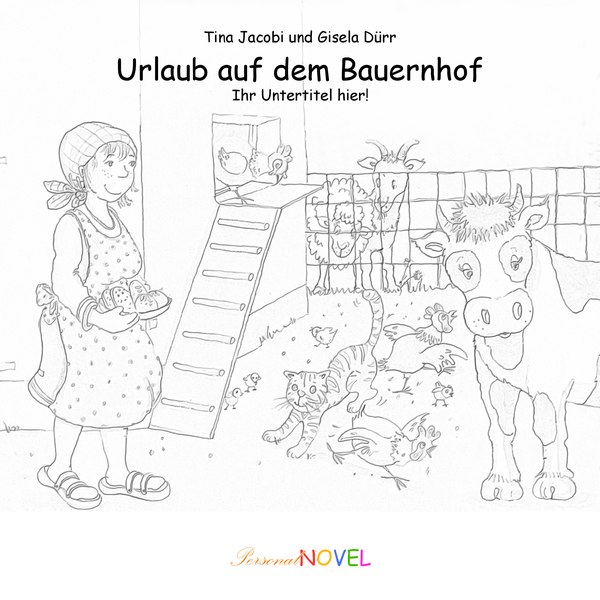
Unlike generic children's books, this storybook offers a unique, immersive experience set on an organic farm, blending education with adventure. The focus on a real-world setting and interactive elements makes it memorable and engaging for young readers.
Not ideal if Appeal may be limited to children who enjoy farm or animal-themed stories.
View at PersonalNOVEL · €19.99 - Harry Potter Collage Paint By Numbers Canvas KitShips internationally

The Harry Potter collage design and beginner-friendly paint-by-numbers format make this kit stand out from generic craft sets, offering a themed, rewarding project. A 30×50cm pre-mounted linen canvas paint-by-numbers kit featuring a Harry Potter portrait collage set against Hogwarts imagery.
Not ideal if Design is niche (Harry Potter fans only) and may not appeal to all children.
View at Craft Buddy Shop · £14.99 - Kitten Bedtime Stories Crystal Art Notebook KitShips internationally

The combination of a crystal art craft kit and a functional notebook sets this product apart, offering both creativity and practicality in one gift. Once complete, the notebook provides 50 lined pages for writing.
Not ideal if The crystal embellishments may be delicate, and younger children may require supervision during the crafting process.
View at Craft Buddy Shop · £9.99
Picked and ranked for fit to a nephew on their birthday. Written by Eudora, reviewed by Euphora's founder before publication. Full method: how we choose and rank.
Prices from the shops' feeds, 19 October 2026.
He's not addicted to the tablet. He's loyal to whatever it's giving him.
Ask what he's actually doing on the screen, not just how long he's doing it. If he talks about levelling up, unlocking, or beating his own best score, he's chasing mastery: fast, visible proof he's better than he was yesterday. When the appeal is playing with people rather than the game itself, he's chasing connection, and a screen just happens to be where his friends are. If he gets prickly when an adult hovers over his shoulder, he's chasing autonomy: the freedom to decide what happens next without someone narrating it.
Most screen-obsessed kids are a blend, but one need usually dominates, and it changes everything about what you buy. A mastery kid wants a visible result, start to finish, that he controls himself. Connection kids want a shared activity, not a solo one. Autonomy kids want a world they can explore on their own terms, not a set of instructions to follow. Guess wrong and even a well-made gift lands like homework.
The gift most likely to get quietly shelved isn't the cheapest one. It's the one that reads as responsible: a brain-training game, a 'STEM' kit, a wholesome craft set bought because it feels like the right thing to do rather than because it's genuinely fun. If it wouldn't hold his attention with the tablet sitting right next to it, it won't hold his attention once the tablet's in the other room either.
Five-year-olds, ten-year-olds and teenagers chase the same reward through completely different gifts
At 5 to 8, mastery looks like something built or performed in one sitting, with a result you can see immediately: a model finished, a trick learned, a two-minute show for the room. Between 9 and 12, it shifts toward something with layers, a system he can get incrementally better at over weeks rather than minutes. By 13, the reward has to look less like a toy and more like a real hobby, because anything that reads as 'a kids' present' gets shelved out of embarrassment as much as boredom.
Connection follows the same curve. A six-year-old wants a shared activity with an adult loosely involved. Ten-year-olds want something built for two or more players, no adult required. Teenagers want something social that doesn't look chosen by an aunt at all, and that's the hardest bracket to get right on this budget: honestly, most gift guides oversell this age group, and it's worth knowing that before you overpromise to yourself.
If your nephew is in Germany, timing matters more than you'd think. German tradition holds that a gift arriving, or a wish spoken, before the actual birthday date invites bad luck, so time delivery for on-or-after his birthday, never before. If you're posting from the UK to Ireland, build in extra days too: post-Brexit customs checks can slow parcels down more than the tracking number suggests.
If you can't picture him picking it up without being told to, it probably won't get picked up
Before you buy, run the twenty-minute test. Picture him unwrapping it at the party with three other presents on the table and a phone somewhere in reach. Does he keep holding this one, or does he say thanks and reach for the next box? If you can't confidently answer 'he keeps holding it,' that's the gift to reconsider, not the one to defend.
There's a second, quieter test. This isn't about willpower, his or yours. It's about whether the gift works without supervision: no assembly instructions, no batteries nobody has, no adult explaining the rules before he can start. A gift that needs a parent to set it up becomes a chore for someone else, and chores don't get picked up twice.
More treats to consider
More indulgences worth considering — different moods, same impulse.

Adapts the bestselling Warriors series into a graphic novel format, making it accessible and engaging for visual learners or reluctant readers.
Not ideal if Appeal may be limited to fans of the series or fantasy genres; not suitable for very young children.
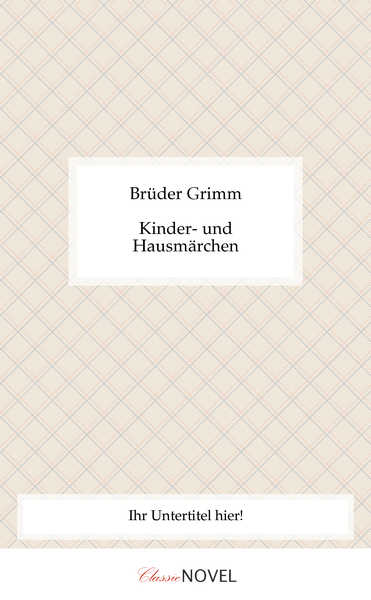
Unlike abridged or modernized versions, this collection preserves the original tales in their full, unaltered form, offering authenticity and a connection to cultural history. The hardcover edition ensures durability and a premium feel.
Not ideal if May not appeal to children who prefer modern or visually illustrated books.

Cadbury Freddo & OREO Build-Your-Own Chocolate Train Kit
£14from Cadbury Gifts DirectShips internationallyCombines the joy of crafting with the reward of edible chocolate, making it a unique and interactive gift. The train theme adds a whimsical touch that stands out from standard chocolate boxes.
Not ideal if Chocolate may melt if not stored properly, and the activity requires some supervision for younger children to avoid messes.
Not sure whether he's chasing mastery, connection or autonomy, or buying for the trickier 13+ end of this bracket? Tell us about him and we'll match the gift to how he actually plays.
AI reads what you write; our code then picks the gifts. How it works
The parents asked for 'nothing else with a screen.' That doesn't mean the gift should look like a lecture
When the parents say 'nothing else with a screen,' they're not asking for a gift he'll tolerate. They're asking for one he'll actually want that happens not to plug in. The two briefs can align, but only if you resist the urge to prove the point too hard: a gift wrapped in visible virtue, with an obvious 'this is instead of the tablet' framing, reads to him exactly the way it sounds, and he'll treat it accordingly.
Staying within a sensible range helps here too, and not just for the parents' peace of mind. Across the UK, Ireland, Germany and the Netherlands, a nephew's birthday gift from an aunt or uncle sits comfortably between about £15 and €30. Go noticeably higher and the gift risks reading as a statement rather than a present, something the parents feel obliged to match next time rather than something they're simply glad you thought of. The safest move is the same in every market: pick something genuinely fun first, and let 'non-screen' be true of it rather than the headline of it.
Where to shop
Click any shop to preview what they offer.
A bar printed with his own name adds a personal touch a screen can't offer.
Ships across Europe, plus Australia, Canada and New Zealand
Browse Cadbury Gifts DirectMatching a book to what he's actually into offers the same pull into another world that a game does, without the screen.
UK
Browse Bookshop.orgMaking him the hero of his own printed story hands him the sense of agency a game usually supplies.
Ships across Europe
Browse PersonalNOVELQuestions people ask
What do you get a kid who only wants screen time?
Start with what he's actually chasing on the screen rather than the screen itself. A kid who's in it for the levelling-up feeling wants something with a fast, visible result; a kid who's in it for his friends wants something built for a group, like a card game he can teach the table in five minutes; a kid who's in it for control wants a project he runs himself, start to finish. The specific object matters far less than which of those three boxes it ticks.
What are good non-screen gifts for a 10 year old?
At ten, most kids want either a system they can get gradually better at over weeks, not minutes, or something they can play against a friend without an adult refereeing. A strategy card game or a build-it-yourself kit with real stages tends to outperform a single-use craft project at this age, because there's a reason to come back to it more than once.
How do I get my kid excited about a non-screen gift?
Don't present it as a replacement. Hand it over the same way you'd hand over anything else, without a comment about screens, tablets, or 'getting outside more.' The framing does a lot of the work: a gift that arrives with a lecture attached gets treated like a lecture, no matter how good it is underneath.
At what age do non-screen gifts stop landing well with kids?
Honestly, somewhere around 13, and most gift guides don't say so. Past that point, a generic non-screen toy competes badly no matter how well made it is. It's not that older teenagers stop wanting non-screen gifts; it's that they stop wanting non-screen toys, and start wanting a real hobby, skill or piece of gear tied to something they've already chosen for themselves, which asks the giver to know them a lot better than a once-a-year birthday relationship usually allows.
The tablet isn't going anywhere, and that was never the goal. What you're aiming for is twenty minutes where he forgets it's there: holding something he picked up on his own, and kept holding. Get the need right, not just the category, and that's what happens, no lecture required, no performed thank-you, just a kid quietly absorbed in something you gave him.
Euphora helps you find the right gift — with tailored recommendations, gift guides, and specialist retailers we've vetted ourselves.