What to Give a Grandparent Who's Just Downsized Their Life
Your grandparent has spent this past year deciding what to keep from a lifetime of belongings, boxing up decades to fit into two rooms or one. Now it's Christmas, and you're supposed to buy her something. Every instinct that used to guide your gift-giving, something lovely, something she'll treasure and keep, now works against you, because keeping is exactly the problem she's just solved. This guide is about relocating what generous means: not smaller love, just a different shape of it.
Stuff was never really the point
For most of your life, gift-giving for this person meant finding an object she'd cherish and keep on a shelf, a mantelpiece, a spare room. That instinct is now working against you. Every physical object you give has a hidden cost that used to be free: somewhere to put it, and eventually, a decision about what happens to it when there's no more room. Five categories of gift sidestep that cost entirely, because none of them ask to be stored. Consumables get used up: wine, soap, good tea, chocolate. Experiences leave nothing behind but a memory, a shared afternoon, a photograph on someone's phone. Digital gifts live inside a screen already in the room, not on a new surface next to it. Services do a job rather than occupy space: a garden tidied, a taxi booked, a cleaner for a month. And memory-making gifts, done right, stay small: a slim photo book, a short recording, something that fits in a drawer rather than needing a wall. None of these categories is a downgrade from a proper gift. They're a different answer to the same question she's been asking herself all year: is this worth the space it takes up?
This isn't a workaround, it's actually a widely shared value. Overt extravagance risks 'notions' in Ireland. In Germany, an overly generous gift creates Verpflichtung, an uncomfortable sense of obligation to reciprocate. Dutch zuinigheid, a genuine cultural preference for restraint, shapes gift-giving well beyond Christmas. A smaller, well-chosen gift for a downsizing grandparent isn't a compromise in three of your four target countries. It's the norm.
Small print and stiff lids can undo an otherwise perfect gift
A year ago, a fiddly clasp or a jar with a stiff lid wouldn't have registered as a problem. It might now, and saying that out loud can feel like conducting a health assessment on someone who still very much doesn't want one. The fix isn't a different category of gift. It's paying attention to the same three things: can she open the packaging without scissors or brute force, can she read any text on it without hunting for her glasses, and does using it require a steady hand for more than a minute or two at a stretch. A necklace with a small clasp is a lovely idea and a genuine problem if fastening it becomes something someone else has to do for her every morning; that's not a reason to avoid jewellery, it's a reason to think about who's around to help, or to choose a slightly larger clasp instead. The same logic applies to craft kits with tiny pieces, to jar lids, to anything that arrives needing assembly. None of this needs to be said out loud to the person receiving the gift. It just needs to be thought about before you buy it.
Before you order anything consumable or floral, check with a family member or a member of staff about what's actually allowed. Some care settings restrict alcohol, fresh flowers, or personal food deliveries, and a wine gift held at reception until someone visits loses most of its warmth. If flowers are on the table at all, skip white lilies in the UK, where they read as funeral flowers.
A tablet is half a gift, the setup is the other half
If you're considering a tablet, a simple photo frame that updates itself, or anything that promises to keep her closer to the family by video, the device itself is the easy half of the decision. The harder half is who sets it up, who preloads the first batch of photos, and who's on the other end of the first video call to make sure it actually works before you leave. A gift like this given alone, boxed and wrapped with instructions inside, often ends up back in a drawer within a month, not because she didn't want it, but because getting it working alone felt like one more thing to manage. Give the device and a plan in the same breath: a Sunday call booked in for the first month, a grandchild who's agreed to be the person she rings when the screen freezes. That plan is the actual gift. The screen is just the delivery mechanism.
Euphora earns a commission when you buy through these links, at no extra cost to you. How we're paid
Picked and ranked for fit to a grandparent at Christmas. Written by Eudora, reviewed by Euphora's founder before publication. Full method: how we choose and rank.
Gift ideas

A stainless steel necklace with a gold-plated circle pendant, engraved with a child's own drawing, handwriting, or message, far more personal than generic jewellery.
Not ideal if Needs a child's drawing, handwriting sample, or short message to engrave before you can order.
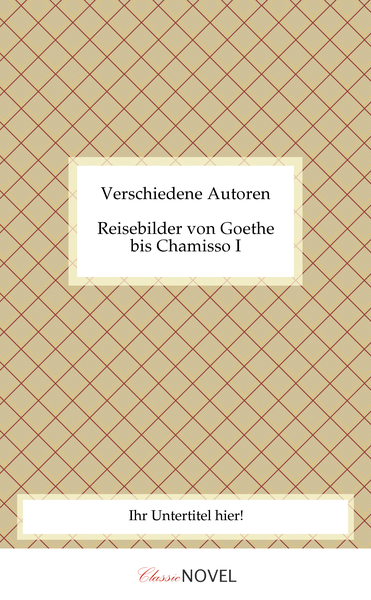
Unlike generic fiction, this anthology offers a unique blend of travel, history, and literature, making it stand out as a culturally significant keepsake. The curated selection of renowned authors adds depth and prestige.
Not ideal if May not appeal to those who prefer contemporary or light reading.

Unlike generic holiday books, this atlas offers a global perspective, blending travel writing, recipes, and cultural insights into a cohesive, beautifully illustrated package.
Not ideal if May not appeal to those who prefer fiction or are not interested in cultural or holiday themes.
Show one more pick

Forever Flowerz Premium Sunflower Craft Kit — Pink (Makes 20)
£12.99from Craft Buddy ShopShips internationallyThe kit stands out due to its charitable contribution and the ability to create lasting, decorative sunflowers. A DIY craft kit containing pre-cut petal pieces, leaves, stems, and pollen to assemble approximately 20 sunflowers in pink and yellow tones — 10 large (14.5cm) and 10 small (11.5cm) heads.
Not ideal if The assembly process may require patience, and the finished flowers are delicate.
More gift ideas

The combination of premium regional honey and a long-burning beeswax candle sets this gift apart from standard food hampers. A gift set featuring two 340g jars of premium honey (Cumbrian and Northumberland soft set) and a large 40-hour beeswax pillar candle.
Not ideal if The honey may not suit those with dietary restrictions or allergies.
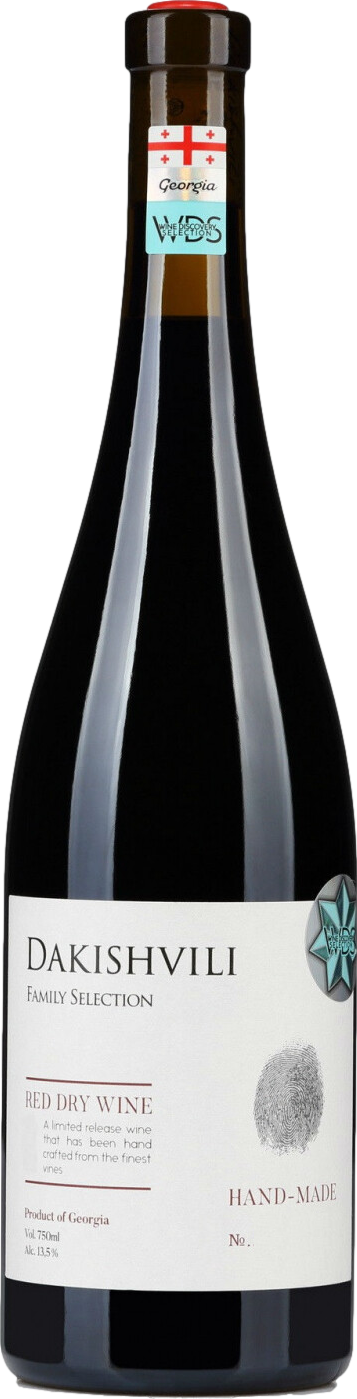
The blend of Georgian Saperavi and French Cabernet Sauvignon, combined with the winery's four-generation heritage, sets this apart from mass-produced wines. A Georgian-French blend from the family-run Dakishvili winery in Kachetien, combining 60% native Saperavi with 40% Cabernet Sauvignon.
Not ideal if Recipient must drink alcohol; taste preferences may vary.
Not sure whether she'd lean practical, sentimental, or purely consumable? Tell us about her situation, the space she's in, what she's kept, and we'll do the matching from there.
AI reads what you write; our code then picks the gifts. How it works
A care home and a smaller flat are not the same gift-giving problem
Downsizing covers two quite different situations, and it's worth being honest with yourself about which one you're actually buying for. Someone who's chosen to move into a smaller flat or bungalow still controls her own front door, her own fridge, her own decisions about what comes inside. A grandparent in a care home or sheltered accommodation, by contrast, is often working within someone else's rules: visiting hours, permitted personal items, sometimes a ban on fresh flowers or shared food for hygiene reasons. Staff, when shared spaces are involved, are the best people to ask what's actually welcome, saving a well-meant gift from being left at reception. If the move was simply her own choice, the only real constraint is space, and most of this guide's logic already applies without needing anyone's permission. Our guide on gifts for a parent in a care home goes further for the first situation. Where memory or cognitive change is part of the picture too, the dementia gift guide covers that separately.
If your grandparent lives in Germany, timing matters more than you'd think: Bescherung, the family gift exchange, happens on the evening of December 24th, a full day before the UK and Irish tradition of Christmas morning. Order with that earlier deadline in mind. In the Netherlands, many families also give gifts at Sinterklaas on 5 December, so ask which evening hers keeps before you size the Christmas gift. And if you're shipping from the UK to an EU address, check the parcel value against customs allowances first. A gift worth more than roughly €45 can trigger a VAT charge that lands on her doorstep, turning a generous gesture into an unexpected bill.
A slim photo book says more than a full memory box ever will
There's a particular kind of gift that tries to solve the loss of the family home directly: the oversized photo album, the memory box meant to hold a lifetime, the framed collage of every grandchild at every age. These come from a good instinct and usually land badly, because they hand your grandparent another thing to manage, store, and eventually decide what to do with, exactly the task she's just finished. The better version of a memory gift is small enough to disappear into a drawer: a slim printed photo book with twenty pictures instead of two hundred, a short recording of your kids saying happy Christmas that plays from a phone, a handwritten letter tucked inside a card. Specificity does the work volume can't: the actual photo she'd want, the actual voice she'd recognise, not a generic tribute assembled in a hurry. Keep it small and she'll actually look at it again in February. Make it large and it joins the pile she's already spent a year clearing.
Where to shop
Click any shop to preview what they offer.
Consumable bath luxury — enjoyed and gone, no storage needed
UK, US
Browse Scottish Fine SoapsChocolate that's eaten, not stored, so it suits a small space
Ships across Europe, plus Australia, Canada and New Zealand
Browse Cadbury Gifts DirectGourmet food treats that don't take up permanent space
Ships worldwide
Browse TruffleHunterA silk pillowcase replaces something they already have, adding comfort
Ships worldwide
Browse MayfairsilkHand-blown glass candles and small artisan pieces — beauty that replaces, never clutters
UK
Browse nkukuQuestions people ask
What do you buy a grandparent who is downsizing?
Look at what stops needing space once it's used: something drunk, eaten, worn, or experienced. If in doubt, ask what she's kept, not what she's given away. What she chose to hold onto tells you more about her taste now than any general elderly-gift list will.
What not to get someone who is decluttering or moving into a smaller home?
Anything decorative-only: ornaments, framed prints, ceramics, candle sets that need a shelf or mantelpiece she may no longer have. It's not that she wouldn't like it, it's that liking it doesn't solve where it goes.
Gift ideas for grandma who says she doesn't need anything
Take her literally about objects and figuratively about care. She likely means she doesn't want more things, not that she doesn't want to be thought of. A good bottle, a robe she wouldn't buy herself, an afternoon of your time all satisfy the second without triggering the first.
How much should you spend on a Christmas gift for a grandparent?
In the UK, the nearest measured figure is the median Christmas present for a parent: £31 to £50 (YouGov, 2025). Irish and Dutch norms run a little lower, roughly €20 to €40, and both cultures actively favour restraint over generosity for this relationship. In Germany, vouchers narrowly top the Christmas gift list (29% in the German retail federation's 2025 survey), so a voucher is an ordinary choice there.
Are consumable gifts a good idea for elderly relatives?
Usually, yes, with one check first: confirm any dietary restrictions, medication interactions with alcohol, or care-setting rules on personal food and drink before you order. Once that's confirmed, consumables solve the storage problem more completely than almost any other category.
What's the difference between gifts for a grandparent moving to a smaller home versus one moving into a care home?
A smaller home is still fully hers: her fridge, her front door, her rules. Care home living adds a second decision-maker, the staff, who may restrict flowers, alcohol, or unscheduled deliveries. A quick call to whoever visits most often will tell you which situation you're actually buying for faster than guessing.
You can't fit a family home into two rooms, and no gift is going to try. What you can do is make sure this Christmas still feels like Christmas to her: a good glass of something, a photo she hasn't seen in years, an hour of your actual attention. That's the version of generous that fits in the space she has left, and it's the one she'll actually remember in February, long after a bigger gift would have been quietly given away.
Euphora helps you find the right gift — with tailored recommendations, gift guides, and specialist retailers we've vetted ourselves.