What to Bring to Your Partner's Family for Christmas
You're not nervous about the gift itself. What worries you is what it signals, whether it says you understand this family's rhythm or that you're still guessing. That's the real question behind 'what do I bring to my partner's family for Christmas' and it deserves a proper answer, because the stakes here are about reading the room on your first real audition, not about taste. This guide walks through the decisions that actually matter: how much to bring, who's on the list, and what changes if their Christmas happens in Dublin, Munich, or Amsterdam rather than London.
Top picks for UK delivery
Euphora earns a commission when you buy through these links, at no extra cost to you. How we're paid
- Black Velvet Choker with Customisable PendantsShips across Europe
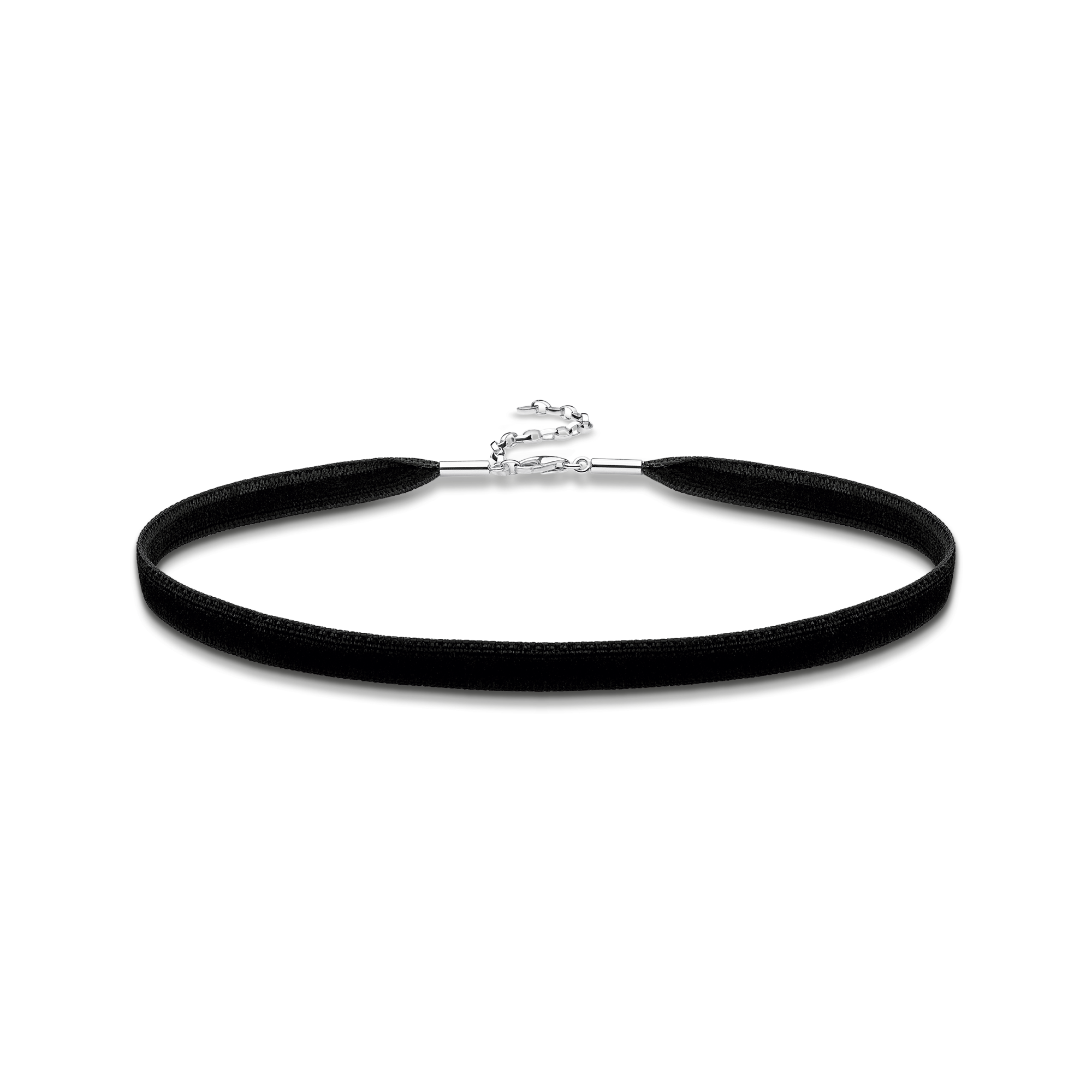
The velvet choker and customisable pendants set it apart from generic necklaces, offering a unique, personalised accessory that reflects the recipient’s style.
Not ideal if The bold style may not suit all tastes, and the velvet material could require occasional maintenance.
View at Thomas Sabo UK · £40 - Sterling Silver Key Pendant Necklace with ZirconiaShips internationally

The key-shaped pendant stands out for its symbolic meaning and elegant design, combining sterling silver with zirconia for a touch of sparkle. The choice of finishes adds versatility.
Not ideal if Jewellery preferences vary; ensure the recipient enjoys delicate, symbolic pieces.
View at Hey Happiness · €34.90 - Antique Burgundy Recycled Glass Baubles SetShips to UK

Unlike mass-produced baubles, these are mouth-blown from recycled glass with an aged patina, giving them a unique, heirloom feel. The antique burgundy color and velvet ribbon add a luxurious touch that stands out in festive decor.
Not ideal if Fragile glass may require careful handling; color may not suit all decor schemes.
View at nkuku · £25
Picked and ranked for fit to a partner's family at Christmas. Written by Eudora, reviewed by Euphora's founder before publication. Full method: how we choose and rank.
Prices from the shops' feeds, 19 October 2026.
You haven't met them yet, and this is the visit where you will
Zero information is its own kind of hard. You don't know if this is a family that buys for everyone at the table or one that keeps it to the couple hosting. Asking feels like admitting you're anxious, so most people default to what their own family does instead, either buying a heavy gift because that's what generous means to them, or bringing almost nothing because minimal is their own norm. Neither is a read on this family; both are a guess wearing the guise of intuition. The fix isn't complicated, it's just uncomfortable: ask your partner directly, before you buy anything, what a normal Christmas looks like at their place. A plain question like 'do people usually get each other things, or is it more low-key?' answers the whole problem in one sentence and costs you nothing but a moment of feeling slightly needy.
Bring one gift for whoever is hosting, usually a parent, and a small extra for your partner. Skip everyone else at the table. If it turns out to be a bigger exchange than you expected, that's a far easier gap to explain than showing up with presents for people who weren't expecting any.
The gift most people under-think is the one that matters most: what you hand to the host. A bottle grabbed at the petrol station on the way says something different than one you clearly chose. You don't need to spend more, you need to spend more thought.
You've already had one Christmas with them, and now you're reading the pattern
Once you've been in the room before, you're no longer guessing blind, you're interpreting evidence. Think back to what actually happened last time. Did every adult produce something for every other adult, or did most of the exchange sit between your partner and their parents, with everyone else contributing one gift to the host? That single observation tells you more than any general rule could. Families settle into a scale early and keep it for years, so what you saw once is very likely what you'll see again.
Match what you observed rather than what feels generous to you. If it was a small pile near the host's chair, contribute to that pile and stop there. If you're still unsure, a direct question now carries less weight than it did the first time, you've got shared history to justify asking it plainly.
You're standing in a shop wondering if cheap looks stingy and expensive looks like you're trying too hard
Here's the asymmetry most people miss: spending too little is a much easier mistake to recover from than spending too much. Undershoot and the read is usually 'they didn't know yet,' which is true and forgivable. Overshoot and the read shifts to something less flattering: that you're compensating, performing, or setting an expectation the family now has to match next year. In Ireland, a visibly expensive gift can trigger what's known locally as 'notions,' a real social penalty for showing off. Germany carries its own version: an overly generous gift can create a sense of obligation the recipient didn't ask for. Dutch culture, built on modesty, treats conspicuous spending as slightly embarrassing rather than impressive. None of these are really about the money. They're about what spending more signals: that you're trying to buy your way into belonging rather than earn it slowly.
Aim for the lower half of whatever range feels normal once you know it, and spend your budget on something considered rather than something large. A well-chosen £25 bottle reads better than a £50 gift set that looks like it was grabbed to hit a number.
If their family is Dutch, ask whether they give their main gifts at Sinterklaas on 5 December or at Christmas, so you know which moment to prepare for. German families run on a different clock entirely: gifts are opened on the evening of the 24th, not Christmas morning, immediately and in front of everyone the moment they're handed over.
Every family draws this line differently. Tell us about theirs and we'll help you land on something that fits their scale, not just the occasion.
AI reads what you write; our code then picks the gifts. How it works
Nobody warned you there would be nieces and nephews at the table
This catches people off guard more than any other part of the visit. You prepared for the parents, maybe a sibling, and then you arrive to find three children you've never met, all clearly expecting something at Christmas. The panic is real and the instinct is usually to fix it on the spot, either by scrambling for a last-minute gift or by quietly deciding to buy for everyone next time no matter what. Both reactions solve the wrong problem. Extended gifting is a norm the family sets, not one a new partner introduces, and buying for children or siblings before that norm has been confirmed can create an imbalance the family didn't ask for.
For a first or early Christmas, keep your list to the host and your partner. If children are there and unexpected, a warm hello does more good than a rushed present bought under pressure, and it doesn't set a precedent you'll be expected to repeat. Let your partner confirm before next year whether the wider family is actually part of the exchange.
Their family is in the UK, Ireland, Germany, or the Netherlands, and each one runs on a different script
Four countries, four different sets of unwritten rules, and it's worth knowing which one you've walked into before you buy anything.
In the UK, Christmas Day itself is the moment: stockings first thing, then the main gifts opened late morning, crackers at dinner. A parents-tier host gift typically sits somewhere in the £30-50 range, though that figure comes from general parent-gifting norms rather than a partner's-family-specific rule, so treat it as a starting point rather than a target. One thing to avoid: a generic supermarket gift set. It's a common instinct and it reads as low-effort exactly when you need to look considered.
Ireland shares the UK's Christmas morning timing, but the social physics are different. Irish culture has a real penalty for what's called 'notions,' showing off through an overly generous or showy gift. Keep the gift modest: restraint reads better here than reach.
Germany changes the day entirely. The main event is Heiligabend, the evening of the 24th, and gifts are opened immediately, in front of everyone, right after dinner. Wrapping matters more here than in any of the other three countries; sloppy presentation reflects on the giver. If you bring flowers for a partner's mother, avoid red roses: they read as romantic and can land as confusing rather than sweet. There's no fixed euro figure to aim for; a modest, well-wrapped gift with a self-deprecating comment when you hand it over, something like 'it's just a small thing,' fits the cultural script better than a specific price point would.
The Netherlands adds a second date. Many Dutch families also give gifts at Sinterklaas on 5 December, so ask which evening this family keeps. If this family gives its main gifts at Sinterklaas, a smaller Christmas exchange is not a snub; it's just how their calendar works. Dutch culture also leans toward modesty; a conspicuously expensive gift can read as showing off rather than generous.
Ask your partner which of these four scripts their family actually follows before you assume it's the one you grew up with. A UK-raised partner's German family and a Dutch family's quieter Christmas are both easy to misjudge if you're working from your own country's defaults.
Quick decision rules
Treats they wouldn't add to their own basket
Small luxuries that feel like a reward — the kind of thing they'd enjoy but would talk themselves out of buying.

Stands out with its reusable porcelain cup, which adds long-term value beyond the candle itself. The matte-glazed design and engraved stripes give it a modern, sophisticated look.
Not ideal if Fragrance preferences are subjective; the recipient may not love the chosen scent.

The combination of small-batch gin and artisan snacks sets this gift apart, offering a complete, high-quality tasting experience in one box.
Not ideal if Limited appeal to non-drinkers or those who prefer non-alcoholic gifts.
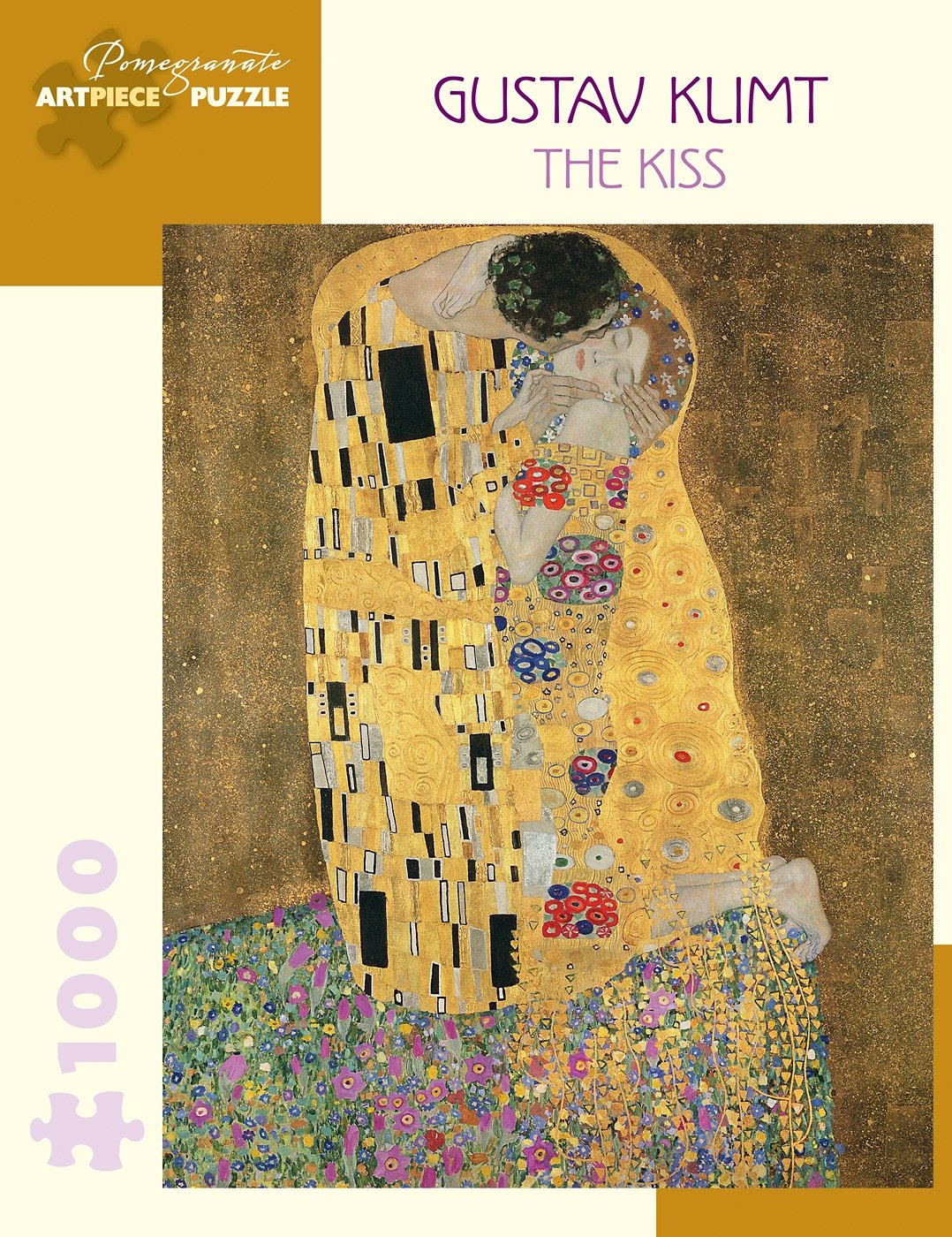
The iconic "The Kiss" artwork elevates this puzzle from a simple game to a collectible piece, blending art appreciation with interactive fun. A 1000-piece jigsaw puzzle featuring Gustav Klimt's iconic "The Kiss" painting, with its distinctive gold leaf and ornamental detail.
Not ideal if 1000 pieces may be too challenging for beginners; puzzle may not appeal to those who dislike repetitive tasks.
Where to shop
Click any shop to preview what they offer.
Their mid-priced, safe designs are built for exactly this situation — a thoughtful piece for his mother or sister without reading as overreach.
Ships worldwide
Browse Hey HappinessFathers are a named strength here, so a bottle with real provenance works as the kind of host gift that shows care without overstepping on a first visit.
Ships across Europe
Browse 8wines UKA hamper reads as a safe, universal host gift, the kind that works well even before you know their exact tastes.
Ships worldwide
Browse TruffleHunterQuestions people ask
What do you bring to your partner's family for Christmas?
At minimum, something for whoever is hosting, a considered host gift rather than a personal present, plus whatever you'd normally give your partner. Beyond that depends entirely on the family's own norms, which is worth confirming before you buy rather than after.
How much should you spend on a gift for your boyfriend's or girlfriend's parents?
It varies more by country than most people expect. UK norms for a parents-tier gift sit around £30-50, Irish spending tends to be lower and more restrained, and German and Dutch culture care less about the number than about the gift not looking like a statement. When in doubt, aim for the lower half of whatever range you're working with.
Do you bring a gift to Christmas dinner at someone else's house?
Yes, generally. A host gift is standard Western hosting etiquette even outside the specific pressure of meeting a partner's family for the first time. It doesn't need to be elaborate; something for the meal or the home works better than something aimed at one person's private taste.
Should I get one gift for the household or individual gifts for each family member?
One gift for the household, addressed to whoever's hosting, is the safer default on a first visit. Individual gifts for people you haven't met yet can read as presumptuous, even when the intention is generous. Let the family's own pattern, once you've seen it, guide whether that changes in future years.
What's an appropriate host gift for Christmas in Germany or the Netherlands?
Something for the table or the evening works in both countries: a good bottle, something to add to the meal. Germany asks for careful wrapping, since gifts get opened in front of everyone, and it's worth steering clear of red roses for a partner's mother, they read as romantic rather than kind. Dutch hosts lean modest, so a gift that looks expensive can land as showing off rather than warm.
What if my partner's family has a blended or complicated family structure?
That adds a layer this guide doesn't fully solve on its own, since the right approach depends on specifics like who's hosting and how the family handles the split. It's worth a direct conversation with your partner about who's actually going to be there and what the dynamics are, and a guide focused on blended-family Christmas gifting can help once you know the shape of it.
The gift you bring isn't really the test. How you go about choosing it is: whether you asked instead of guessed, matched instead of overshot, and paid attention to a family that's been doing Christmas its own way long before you arrived. Get that part right and the bottle or the box you're holding matters far less than you think it does right now.
Euphora helps you find the right gift — with tailored recommendations, gift guides, and specialist retailers we've vetted ourselves.