Still Buying Your Ex's Child a Birthday Gift? Here's How to Get It Right
You're not sure you're still allowed to care about this birthday. That hesitation isn't a problem to solve, it's evidence of exactly the thoughtfulness this moment needs. This guide is for anyone still holding real affection for a child from a relationship that ended: what a small, steady gesture looks like, how to keep it from becoming a complication for anyone else, and how to recognise if it's time to let it go.
You still think about this child on their birthday, and you're not entirely sure that's your job anymore. That contradiction, caring without a title to justify it, sits at the centre of a role nobody names in family vocabulary. There's no word for what you are to this child now, no line in an etiquette book, no obvious permission slip. What there is: a genuine, uncomplicated fondness for a specific kid who didn't choose any of the adult decisions that reshaped their family. Underneath the practical question of what to buy sits a quieter one. Are you still allowed to show up? The honest answer is that showing up in a small way rarely does harm. Disappearing without explanation is what a child remembers longest.
Small and Steady Beats Big and Occasional
The instinct after a relationship ends is often to compensate: a bigger gift this year, something memorable enough to prove the bond survived the breakup. Resist it. A grand, expensive gesture reads as guilt dressed up as generosity, and guilt is not what this child needs from you. What they need is a pattern they can trust: something modest enough to repeat next year without having to top it, arriving on roughly the same day, without ceremony.
Consistency is the actual message, not the object in the box. A child who gets a small card or modest gift every year for three years running learns something true: this person didn't leave when the adults did. Compare that to one lavish gift followed by silence, which teaches something else, that the gesture was about the giver's feelings, not theirs. Keep the spend modest, keep the timing predictable, and let the object stay almost beside the point.
Three of the four regions this guide covers happen to agree with the instinct to keep things modest, for entirely different reasons. Ireland's social discomfort with 'notions' (showing off), Dutch zuinigheid (a cultural preference for restraint over extravagance), and Germany's Verpflichtung (the obligation a large gift can create) all independently discourage anything that reads as excessive. If you've been worrying that a modest gift looks stingy, the cultural norm in three of your four target markets says the opposite: restraint reads as thoughtful rather than thin.
What Your Ex Doesn't Need to Approve, and What They Do
You don't need your ex's sign-off to care about their child. You do need to respect that any gift reaching that child likely passes through their household first, whether that means literal delivery to their address or simply awareness that it arrived. Bypassing that entirely, reaching the child directly through school, a mutual friend, or social media, tends to create exactly the suspicion you're trying to avoid.
The lower-friction path is usually the most direct one: a short message to your ex saying something like, no pressure, just wanted them to have this for their birthday. That single sentence does a lot of work. It signals you're not trying to compete with anything in their current life, and it gives your ex the chance to flag a real concern, an allergy, a family policy on sweets, a new no-gifts rule, before the gift arrives instead of after. Most of the friction in this situation comes from ambiguity, not from the gift itself. Removing the ambiguity removes most of the risk.
If There's a New Partner or Step-Parent Now
A new adult in the child's life changes the meaning of your gesture, even if the gesture itself hasn't changed. What used to be a gift from someone who lived in the house can now look, from a distance, like competition with someone who does. It rarely is, but perception matters more than intention here.
The fix isn't to disappear. It's to make the gesture small enough that it doesn't need to compete with anything: no elaborate day out, no gift that duplicates a role a step-parent might now hold, nothing that asks the child to choose between two people who care about them. A modest, self-contained gift can sit alongside a new family structure without asking anything of it. Think of your role now as an addition to this child's life, not a rival claim on it.
If the child lives in Germany, timing carries real weight beyond punctuality. Congratulating someone, or letting a gift arrive, before their actual birthday is considered to invite bad luck, and it can genuinely upset the recipient rather than read as a harmless mix-up. When in doubt about the exact date, send it a day late rather than a day early.
Choose Gifts That Don't Ask Anything Back
The best gift in this situation is one that requires nothing further from anyone: not a reply from the child, not a scheduling conversation with your ex, not an activity that has to be coordinated across two households. A self-contained craft kit the child finishes alone, a small keepsake that needs no assembly or explanation, a treat that's gone within a day: these all deliver the message without creating an open loop.
Avoid anything that implies an ongoing commitment: joint tickets to an event months away, a pet, a subscription that arrives monthly and requires someone to keep managing it on the other end. These aren't wrong because they're generous. They're wrong because they quietly require your ex's continued involvement in something that's supposed to be low-friction by design. If a gift needs a follow-up text to work, it's asking more than a birthday gift should.
Not sure what actually fits how close you two still are, or how old they are now? Tell us a little about the situation and we'll narrow the options down for you.
AI reads what you write; our code then picks the gifts. How it works
Knowing When It's Time to Let This Go
Staying present isn't the only caring choice available to you. Sometimes the more respectful option is to step back, and that instinct deserves as much consideration as the instinct to stay involved.
Watch for real signals rather than your own anxiety: your ex has asked, directly or indirectly, for distance. The child has grown into a life where you're no longer a meaningful presence, and a gift each year has started to feel like it's for your benefit rather than theirs. A new family structure has settled into something stable that a continued gesture from you might unsettle. Any of these is a legitimate reason to stop, and stopping doesn't erase the years you did show up.
What matters, if you do step back, is doing it plainly rather than by slow fade. One skipped birthday, then another, then a vague sense that you've drifted, is confusing to a child who's already learned to track who stays and who goes quiet. If you're going to stop, a short, kind message saying so, even just to your ex, is kinder than letting the gesture simply evaporate.
Euphora earns a commission when you buy through these links, at no extra cost to you. How we're paid
Picked and ranked for fit to a stepchild on their birthday. Written by Eudora, reviewed by Euphora's founder before publication. Full method: how we choose and rank.
Gift ideas

Illustrated Mahabharata: Timeless Tales for Children — Deluxe Edition
£28.49from Bookshop.orgShips to UKUnlike standard children's books, this deluxe edition features rich artwork and timeless tales from the Mahabharata, offering both entertainment and cultural education.
Not ideal if May not appeal to children who prefer modern or fast-paced stories.
Unlike abridged or modernized versions, this collection preserves the original tales in their full, unaltered form, offering authenticity and a connection to cultural history. The hardcover edition ensures durability and a premium feel.
Not ideal if May not appeal to children who prefer modern or visually illustrated books.

A 70th anniversary edition featuring new artwork, offering a fresh take on a classic children’s novel. The enchanting story and illustrations make it stand out from standard children’s books.
Not ideal if Appeal may be limited to fans of fantasy or classic literature.
More gift ideas
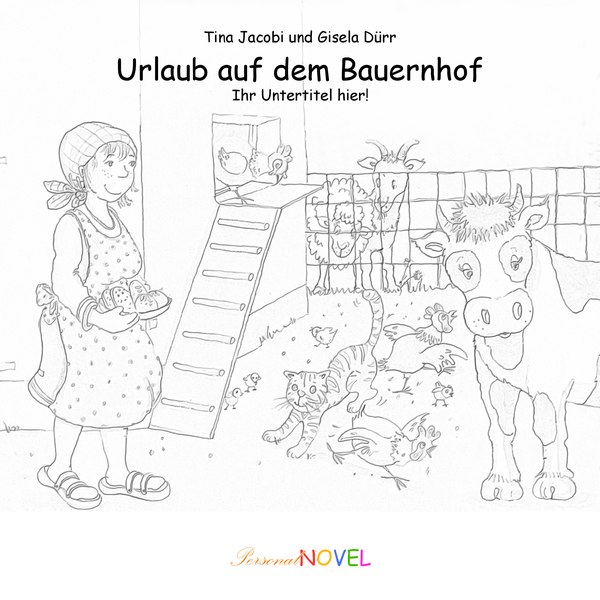
Unlike generic children's books, this storybook offers a unique, immersive experience set on an organic farm, blending education with adventure. The focus on a real-world setting and interactive elements makes it memorable and engaging for young readers.
Not ideal if Appeal may be limited to children who enjoy farm or animal-themed stories.
The unicorn theme and variety of sweets set this apart from standard chocolate boxes. The presentation in a themed box adds to the magical experience.
Not ideal if Contains sugar, which may not suit all dietary preferences.

The Harry Potter collage design and beginner-friendly paint-by-numbers format make this kit stand out from generic craft sets, offering a themed, rewarding project. A 30×50cm pre-mounted linen canvas paint-by-numbers kit featuring a Harry Potter portrait collage set against Hogwarts imagery.
Not ideal if Design is niche (Harry Potter fans only) and may not appeal to all children.
Where to shop
Click any shop to preview what they offer.
One personalised bar sent consistently costs little and asks nothing in return, exactly the small, steady gesture this situation calls for.
Ships across Europe, plus Australia, Canada and New Zealand
Browse Cadbury Gifts DirectMatching a book to whatever they're actually into right now shows you're still paying attention to them specifically, not just marking the date.
UK
Browse Bookshop.orgStaying in this shop's modest, low-stakes price range keeps a birthday gift affordable and easy, never a big one-time statement.
Ships worldwide
Browse Craft Buddy ShopQuestions people ask
Should I still get my ex's child a birthday present?
If you're asking the question, you probably already know the answer is yes, in some small form. The exception is if your ex has directly asked you not to, or if there's genuinely no contact left through which a gift could arrive without confusion. Contact frequency is the real variable: someone who still sees the child occasionally has more room for a small item than someone who hasn't spoken to the family in years and would be reintroducing themselves through a parcel.
Is it weird to buy a gift for my former stepchild?
Not inherently, no. It becomes complicated when the gift is used to process feelings about the breakup rather than to mark the child's actual birthday. The distinction is usually clear if you ask yourself who the gift is really for: if the answer is 'to make myself feel better about how things ended,' that's worth sitting with before you buy anything.
What do you get a child you used to parent but no longer live with?
Something that reflects who they are now, not who they were when you saw them daily. If you don't have current information about their interests, a plain keepsake, a self-contained craft kit, or a small treat all work because they don't depend on knowing what's trending in their friend group this year. Reaching for an old inside joke or a memory from when you lived together risks landing oddly if that chapter doesn't feel current to them anymore.
Do I need my ex's permission to give their child a gift?
Permission, no. A heads-up, generally yes. A short message before the gift arrives, framed as low-pressure, gives your ex the chance to flag anything you wouldn't otherwise know, from a food allergy to a family rule about gifts, and it avoids the gift arriving as a surprise that reads as an intrusion rather than a kindness.
How much should I spend on a gift for my ex's kid?
Somewhere in the £15-£30 or €20-€35 range tends to sit right across GB, Ireland, Germany, and the Netherlands, though no market has an established norm for this specific relationship, so treat this as a sensible range rather than a rule. Erring toward the lower end is usually the safer read: too generous can look like it's competing with the child's parents, while a modest, well-chosen gift rarely reads as thin.
What if my ex has a new partner, should I still send a gift?
It doesn't have to change whether you send something, but it may change how visible the gesture should be. A card or small gift sent quietly through your ex, without needing to involve or acknowledge the new partner directly, keeps the focus where it belongs: on the child, not on the adults renegotiating their roles around them.
You started this not sure if you were still allowed to care. You are. The form that caring takes now is smaller than it used to be, and that's not a downgrade, it's the right shape for what this relationship actually is these days. A modest gift, sent on time, asking nothing back, still tells this child something they'll register even if they never say it aloud: you didn't disappear when the adults did.
Euphora helps you find the right gift — with tailored recommendations, gift guides, and specialist retailers we've vetted ourselves.