Gifts for Someone Grieving: What Actually Helps
You've probably already sent something. Flowers, maybe, or a card you rewrote four times because every sentence sounded wrong. Now it's been a few weeks and you don't know what comes next, or whether there's supposed to be a next at all. That uncertainty isn't a failure of imagination. It's because almost nobody tells you what happens after the funeral, when the casseroles stop arriving and the friend you're worried about is still, quietly, in the middle of the worst year of their life. This guide is about that part: what to do, say, and send in the weeks and months nobody else remembers to show up for.
The anxiety you're feeling right now has a shape: you want to do something, but you're terrified of doing the wrong something, at the wrong moment, and being remembered for it. That fear is worth naming directly, because it usually means you care more than you're giving yourself credit for. For the first two weeks after a death, your friend was probably surrounded: casseroles in the fridge, flowers on every surface, a phone that wouldn't stop buzzing. Then it stopped, all at once, because everyone else assumed the crisis had passed. It hasn't. Grief doesn't end when the funeral does, and the loneliest stretch of it is usually the one nobody sends anything for.
The three phases of grief support, and why most people only show up for the first one
Grief support breaks into three distinct phases, and knowing which one your friend is in changes what actually helps. The first week is logistical. This is when meals, cards, and low-maintenance comfort matter most, because your friend is drowning in decisions and doesn't need one more thing to manage. Keep it simple here: nothing that needs a vase filled daily, nothing that requires a thank-you note, nothing elaborate. Many cultures agree on this point, penalising anything that looks like a display rather than a genuine gesture of ease.
The second phase starts around week four to six, and it's the one almost everyone skips. Visitors have gone home, the fridge has emptied, and your friend is alone with a grief that hasn't diminished, just gone quieter and more private. This is when an unprompted note or small gesture lands hardest, precisely because nobody expects it anymore.
The third phase is the long one: the first birthday without them, the anniversary of the death, the ordinary Tuesday that happens to be a wedding date nobody else remembers. There's no calendar reminder for this except the one you set yourself.
Unlike weddings, christenings, or milestone birthdays in Britain, Ireland, Germany, and the Netherlands, none of these four countries treats cash or a gift card as a customary sympathy gift. If your instinct is to send a voucher because you're not sure what else to choose, that instinct works for almost every other occasion and fails for this one. A specific, thought-through gesture reads as care. Money, however well-meant, tends to read as a shortcut.
Practical first, sentimental later: the order matters more than the object
The most common mistake isn't choosing the wrong gift. It's asking 'let me know if you need anything,' which sounds generous but actually hands the work back to someone who's already exhausted by decisions. A grieving person rarely has the energy to identify a need and then ask a friend to meet it. Offer something specific instead: a meal on Thursday, a supermarket run before the weekend, an afternoon where you take the kids so they can sleep.
Save sentimentality for later. A keepsake, a book, a small object chosen to remind them of the person they lost works best once the acute crisis has passed, somewhere around the two-month mark, when a gentler tone can actually land instead of feeling premature. Early on, comfort should be quiet and low-maintenance. Later, it can afford to be personal.
Grieving a parent doesn't look like grieving a spouse, a sibling, or a child, and the right gesture often depends on exactly who your friend lost. Tell us more about their situation and we'll narrow it down.
AI reads what you write; our code then picks the gifts. How it works
The words and flowers that undo a good gesture
Language matters here more than most gift-givers realise. Phrases like 'they're in a better place' or 'everything happens for a reason' assume a belief system your friend may not hold, and they can land as an attempt to resolve the grief rather than sit with it. Say the name of the person who died. Mention a specific memory or quality of theirs if you have one. Most grieving people want their loved one talked about, not carefully avoided out of someone else's discomfort.
If you're sending flowers, the symbolism is worth a moment's thought. Carnations and chrysanthemums are sympathy flowers in some countries and Mother's Day flowers in others. White lilies are a classic funeral flower in Britain and in Ireland, where white and cream flowers are the usual sympathy choice. When in doubt, choose a warm colour palette over the all-white sympathy arrangement your friend has probably already received several of.
Ireland calls it notions. The Netherlands calls it zuinigheid. Germany calls it Verpflichtung, the discomfort of owing someone back. Britain doesn't name it, but the instinct is the same: across all four countries, a gift that looks expensive or attention-seeking reads as pressure. For a grieving friend, modest and considered gestures matter more than expensive ones.
Why Britain, Germany, and the Netherlands leave you guessing, and Ireland doesn't
Three of the four cultures this guide covers hand you almost no rulebook for this specific moment. Britain, Germany, and the Netherlands are all remarkably prescriptive about weddings, christenings, and milestone birthdays, yet none of them has a widely recognised custom for what to give a grieving close friend. That's not a gap in your knowledge. It's a genuine gap in the culture, and it means you have more freedom here than you might expect, along with more responsibility to read your specific friend rather than lean on convention.
Ireland is the exception. Bringing food to the bereaved household is a deeply embedded gesture there, practical and immediate, arriving around the wake, which is often held at home within a day or two of the death. Many families now ask for donations to a chosen charity instead of flowers. The request is growing in Ireland and long established in the US, where obituaries say 'in lieu of flowers'.
If you're gifting into an Irish Catholic family, you may hear about Mass cards: a priest's promise to say a Mass for the person who died, funded by a small stipend, usually around ten euro. It's a genuinely valued gesture in that specific, Catholic, Irish context. A British, German, or Dutch recipient is unlikely to recognise the custom at all, so treat it as regional knowledge rather than a European default.
How to be the friend who's still there in October
The friends grieving people remember years later are rarely the ones who sent the most impressive gesture in week one. They're the ones who were still texting in October, still remembering the date in April, still willing to say the dead person's name out loud at Christmas when everyone else has quietly stopped. That kind of presence doesn't require eloquence. A short message on the anniversary of the death, or on what would have been a birthday, does more work than a long, carefully composed one.
Pace yourself. You don't need a grand gesture every month, and trying to sustain one usually leads to burnout for you and a strange, uneven rhythm of attention for your friend. A text every few weeks, a coffee every so often, a small note that requires no reply: this is what long-term support actually looks like, and it's far more sustainable than a single spectacular gift. Your friend isn't grading the size of your gestures. They're noticing whether you're still there.
Euphora earns a commission when you buy through these links, at no extra cost to you. How we're paid
Picked and ranked for fit to a close friend after a loss. Written by Eudora, reviewed by Euphora's founder before publication. Full method: how we choose and rank.
Gift ideas

Unlike generic books, this one is curated specifically around the theme of happiness, making it a unique and uplifting gift. Its pocket-sized format and beautiful quotes set it apart from standard books.
Not ideal if Minimal risk, though its appeal may be limited to those who enjoy reading or reflective content.

The curated selection of poems spanning a century sets this apart from generic poetry collections, offering a cohesive narrative of human experience. A curated anthology of 100 poems spanning a century of literary tradition, selected for their emotional depth and introspective power.
Not ideal if Poetry is a niche interest, so it may not appeal to those who don’t enjoy reading or prefer lighter genres.

The surprise element sets this gift apart from standard jewellery purchases, adding excitement and anticipation. The gold jewellery ensures a high-quality, keepsake piece that feels luxurious and special.
Not ideal if The surprise nature means the jewellery may not suit the recipient’s taste or style.
More gift ideas

The peace lily’s self-watering cue (drooping when thirsty) makes it uniquely beginner-friendly, while its air-purifying qualities add practical value beyond aesthetics. A Spathiphyllum Wallisii (peace lily) houseplant standing 40cm tall with a 15cm pot diameter.
Not ideal if Toxic to pets if ingested, so not suitable for households with curious animals.

Unlike mass-produced baubles, these are handcrafted with individual Sari ties, ensuring each set is slightly unique. A set of three handcrafted Christmas baubles with a sculptural pomegranate design, featuring a striking black and brass finish.
Not ideal if The handcrafted nature means slight variations in appearance, which may not appeal to those seeking uniformity.
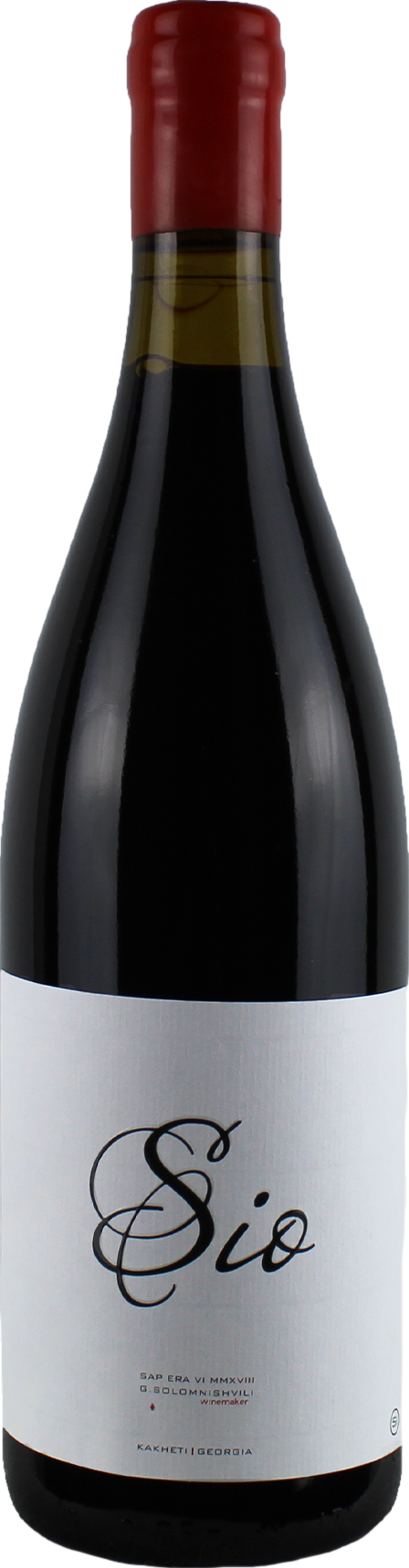
The Qvevri fermentation and Saperavi grape create a distinctive, earthy profile rarely found outside Georgia. A Georgian red wine made from Saperavi grapes grown in Kakheti's Alazani valley, fermented in traditional Qvevri (terracotta amphora) and aged 12 months in French oak.
Not ideal if Alcohol content may not suit all recipients.
Where to shop
Click any shop to preview what they offer.
A book chosen around what they actually love stays with them well past the first difficult weeks, unlike a gesture made once and gone.
UK
Browse Bookshop.orgIts printed dedication page gives you somewhere to put a real, personal message, rather than reaching for a stock line.
Ships across Europe
Browse PersonalNOVELQuestions people ask
What do you give someone who is grieving?
In the first week or two, give something that removes a task rather than adds one: dropping off dinner, picking up prescriptions, or offering to handle a specific piece of admin like return calls to the funeral home. Once the first wave of support has faded, usually around six weeks in, a small, considered object, a book, a plant that doesn't need much care, a handwritten note, tends to matter more than anything sent earlier.
What should you not say or give someone who is grieving?
Skip phrases that try to resolve the loss, 'they're in a better place,' 'everything happens for a reason,' because they assume a belief system your friend may not share. Skip cheerful, moving-on themed gifts too early: a gift that implies life should already feel lighter can land as pressure rather than comfort. And skip the open-ended offer, 'let me know if you need anything', in favour of something concrete you've already decided to do.
What can I send instead of flowers for sympathy?
A donation to a cause the person who died cared about sidesteps the entire flower-symbolism question. It is a widely accepted alternative, especially where the family asks for it. Comfort items that need no upkeep, a soft blanket, a weighted eye mask, a candle, work well in the first week. A few weeks later, a book chosen for its honesty about loss rather than its cheer tends to be read and reread long after flowers would have wilted.
Is it appropriate to send a gift for a death instead of flowers?
Yes, and in some cases it's the better choice. None of the four cultures this guide covers treat flowers as obligatory, and several flower types carry mourning associations strong enough to work against you. A thoughtful alternative, food, a book, a donation, is never read as a lesser gesture.
What is a good sympathy gift basket to send?
Keep it small and specific rather than trying to cover every base. Skip anything with chrysanthemums, carnations, or an even number of stems if flowers are involved, and avoid packaging that reads as festive or celebratory. A smaller, well-chosen basket, tea, a soft blanket, something to eat that doesn't need cooking, says more than a large one stuffed with items nobody asked for.
How do you support a friend months after they lost someone?
Mark the dates that matter to them, even quietly: the date of the death, a birthday, an anniversary, and send something short on the day itself rather than waiting to be prompted. Keep saying the name of the person who died in ordinary conversation instead of steering around it. And check in around milestones other people forget, the first time they return to a shared holiday spot, the first work trip alone, since those moments often hit harder than the obvious ones.
You started this worried about getting it wrong. That worry can ease now. The task was never a single perfect gesture: it's staying close enough, for long enough, that your friend never has to wonder if you've forgotten. Six weeks from now, a year from now, that's what they'll remember, not the flowers or the card, but the fact that you were still there when almost everyone else had quietly stopped asking.
Euphora helps you find the right gift — with tailored recommendations, gift guides, and specialist retailers we've vetted ourselves.