Sympathy Gifts After a Miscarriage: What Actually Helps
You've already said the words 'I'm so sorry.' Now you're standing there, staring at a blank search bar, wondering what comes next. That hesitation isn't a failure of imagination. There's no card aisle for this loss, no agreed script anyone taught you, and the wrong move here isn't picking something tacky, it's picking something that makes her explain her own grief to justify it. This guide won't hand you a shortcut. It will show you how to work out, for her specifically, what actually helps: when to reach out, what to say, what to avoid, and what to do if you can't ask her directly.
Right now you're probably holding two feelings at once: you want to protect her from more pain, and you're afraid that reaching out will add to it. That's not indecision, it's care with nowhere obvious to land. Losing a pregnancy doesn't come with a card aisle, a wake, or a shared set of rules everyone recognises the way other losses do. Even etiquette guidance, thorough on funerals and funeral flowers, goes quiet on this exact loss. That silence isn't a gap in your knowledge. It's a real gap, one you're being asked to fill with judgement instead of convention.
The fear driving you probably isn't really about taste. It's about becoming one more person who treats this as smaller than it is: the friend who sends something cheerful because grief is uncomfortable to sit with, or who reaches for a soft toy and a card that says 'little angel' without knowing if those words will comfort her or wound her. You don't have to get this perfect. You have to get it specific enough that she feels believed, without deciding for her how she should feel about what happened.
Why asking beats guessing, even with someone you're this close to
Normally, closeness gives you licence to be specific: you know she loves lavender, hates surprises, needs new running shoes. Here, specificity is exactly what's risky. Naming the due date, the length of the pregnancy, or the word 'baby' itself could be the most comforting thing you do, or the most devastating, and you can't tell which from the outside.
Treat this as an information problem, not a taste problem. If you're close enough to her partner, or to a mutual friend she trusts, ask them directly: does she want the loss named, or does she need people to not bring it up right now? Is she telling people, or keeping this private? A short, low-pressure question, something like 'what would actually help her this week,' does more good than any symbol you could choose alone.
If the answer comes back as 'she doesn't want anything right now,' believe it. That's not a rejection of your care. It's information about what she needs, and it might change again in a few weeks.
If you're stuck on what to write, keep it short and skip the qualifiers. 'I'm thinking of you, and I'm so sorry' names the loss without asking her to respond. Avoid 'at least,' 'everything happens for a reason,' or anything that implies a silver lining. This isn't about fixing it. Write so she knows someone else is holding it too.
The line between a gift that comforts and one that quietly minimises
Some gifts validate a loss. Others, without meaning to, shrink it. A spa voucher or a 'treat yourself' box can read as a nudge to feel better fast, which is the last thing she needs if she's still in the middle of this. The instinct to distract usually comes from your discomfort with her pain, not from what she's actually asking for.
Baby-themed memorial items sit in a different category of risk. A keepsake with a due date, or language like 'little angel,' assumes she wants the pregnancy marked in that specific, visible way. Some women do. Others find it unbearable, especially early on. Without more information, this is the highest-risk category on the list, not because it's a bad idea in principle, but because it requires knowing something you may not know yet.
What tends to land safely, absent other information, is care that doesn't require her to interpret a symbol: a meal she doesn't have to cook, a soft blanket, permission to cancel plans without explaining why. None of it says 'I know exactly what this is for you.' All of it says 'I see that you're carrying something heavy,' which is closer to true.
Flowers feel like the safe default sympathy gift, but the specifics matter more here than almost anywhere else. In Britain and in Ireland, white lilies are a classic funeral flower, and in Ireland white and cream flowers are the usual sympathy choice. Elsewhere the codes differ. If flowers matter to you, ask a local florist what's safe, or choose a preserved or dried arrangement instead of anything fresh cut, since preserved flowers sidestep the funeral-flower code entirely.
What she needs in week one isn't what she needs in month three
The days right after a loss usually bring a flurry of messages, and then, often within two or three weeks, that flurry stops. Everyone else moves back to normal life. She frequently doesn't, and by the time she's ready to feel it fully, the people checking in have already quietly stopped.
Send something small and immediate: a message, a card, a short note that says you know and you're not going anywhere. Save a second gesture, even a smaller one, for three or four weeks later, when the initial wave of support has receded and she's more likely to be sitting with this alone. That second message often means more than the first, precisely because it's unexpected by then.
There's no fixed rule for how soon is too soon. Waiting to 'get it right' can end up reading as distance, so acting early and simply beats waiting for the perfect gesture.
You know her better than any list ever could, and this guide can't ask its own questions. If you want help narrowing it down for her specifically, our finder takes a few quiet minutes and factors in how openly she talks about this.
AI reads what you write; our code then picks the gifts. How it works
If you can't ask her partner, here's the fallback
Not every friend has a direct line to a partner or a trusted mutual, and putting her on the spot to ask her yourself defeats the purpose. When you genuinely can't find out more, default to gestures that don't require decoding: a meal delivered without ceremony, a handwritten note that names the loss once and doesn't ask for a response, or simply telling her you're thinking of her and leaving space for her to reply or not.
Don't forget the partner, if there is one. Non-birthing partners are grieving too, often with even less acknowledgment, since most sympathy defaults straight to the person who was pregnant. A short message directly to them, or a gift that doesn't require them to be 'the strong one' for someone else, closes a gap most people miss entirely.
When information isn't available, restraint is safer than assumption. A plain, quiet gesture that leaves room for her to respond however she needs will rarely be wrong. A specific one, chosen without knowing enough, sometimes is.
How openly this loss gets discussed varies by more than personality. Gift customs barely address miscarriage directly, but the surrounding norms differ. Irish bereavement culture leans toward visible, immediate gestures like food brought to the house. Dutch directness means a plain or subdued reaction to your gift isn't a sign it missed; it's just how she's built to respond. Wherever she lives, avoid any note or gift that mentions trying again or a future pregnancy. Pregnancy-loss guidance in the US and Australia lists such comments among those that hurt. In Germany, it also echoes an instinct against celebrating uncertain milestones too early.
Euphora earns a commission when you buy through these links, at no extra cost to you. How we're paid
Picked and ranked for fit to a close friend after a miscarriage. Written by Eudora, reviewed by Euphora's founder before publication. Full method: how we choose and rank.
Gift ideas

Unlike mass-produced baubles, these are handcrafted with individual Sari ties, ensuring each set is slightly unique. A set of three handcrafted Christmas baubles with a sculptural pomegranate design, featuring a striking black and brass finish.
Not ideal if The handcrafted nature means slight variations in appearance, which may not appeal to those seeking uniformity.

The circular disc pendant stands out for its clean, timeless design, making it a versatile piece that complements any wardrobe. The adjustable chain ensures a comfortable fit.
Not ideal if Silver may tarnish over time if not properly cared for.

The curated selection of poems spanning a century sets this apart from generic poetry collections, offering a cohesive narrative of human experience. A curated anthology of 100 poems spanning a century of literary tradition, selected for their emotional depth and introspective power.
Not ideal if Poetry is a niche interest, so it may not appeal to those who don’t enjoy reading or prefer lighter genres.
More gift ideas
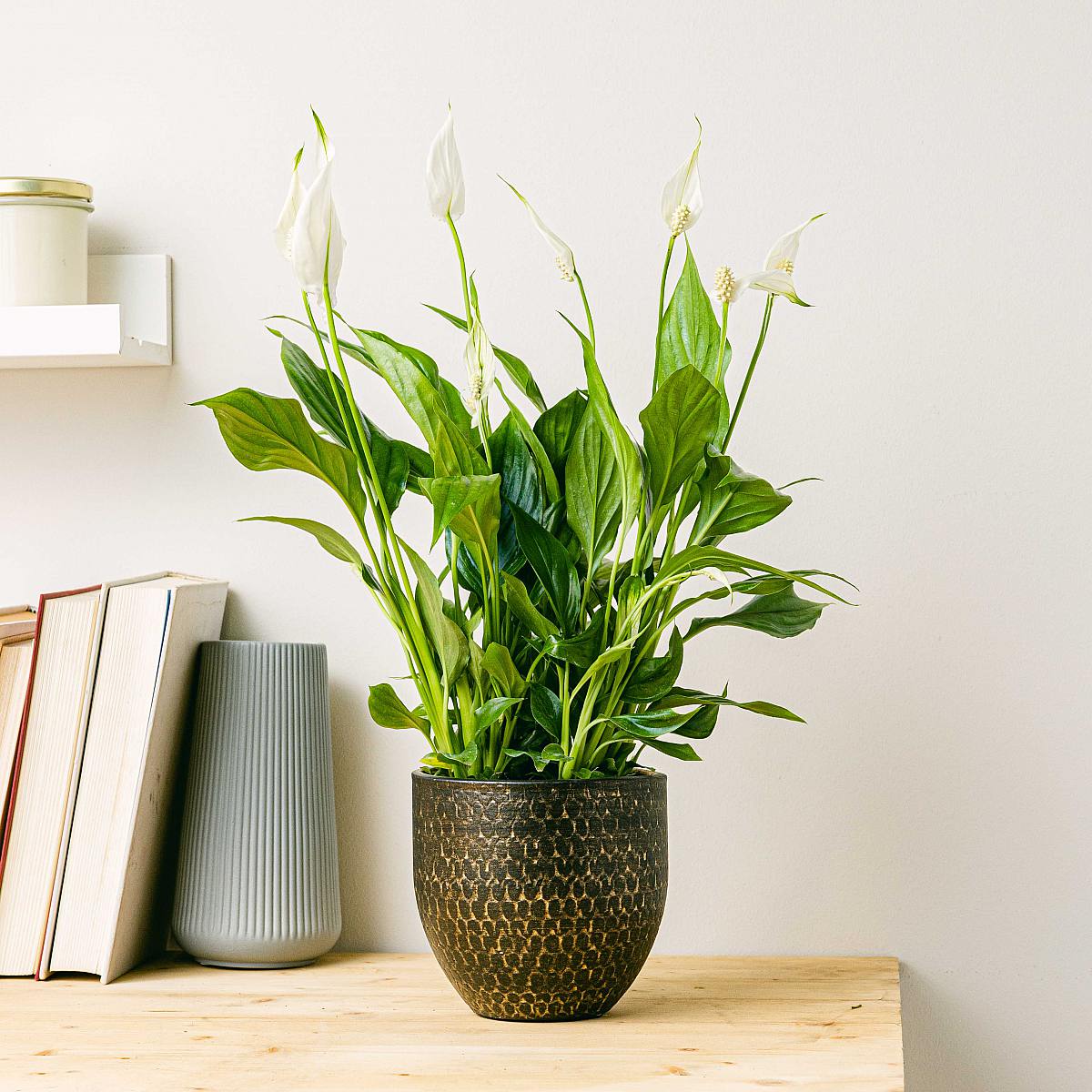
The peace lily’s self-watering cue (drooping when thirsty) makes it uniquely beginner-friendly, while its air-purifying qualities add practical value beyond aesthetics. A Spathiphyllum Wallisii (peace lily) houseplant standing 40cm tall with a 15cm pot diameter.
Not ideal if Toxic to pets if ingested, so not suitable for households with curious animals.
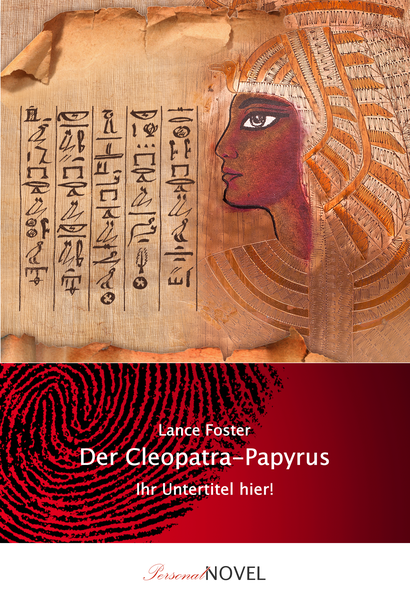
Stands out by combining a gripping crime narrative with historical elements, specifically the legend of Cleopatra's papyrus. Offers a unique angle for fans of both genres.
Not ideal if May not appeal to readers who prefer lighter genres or non-fiction.
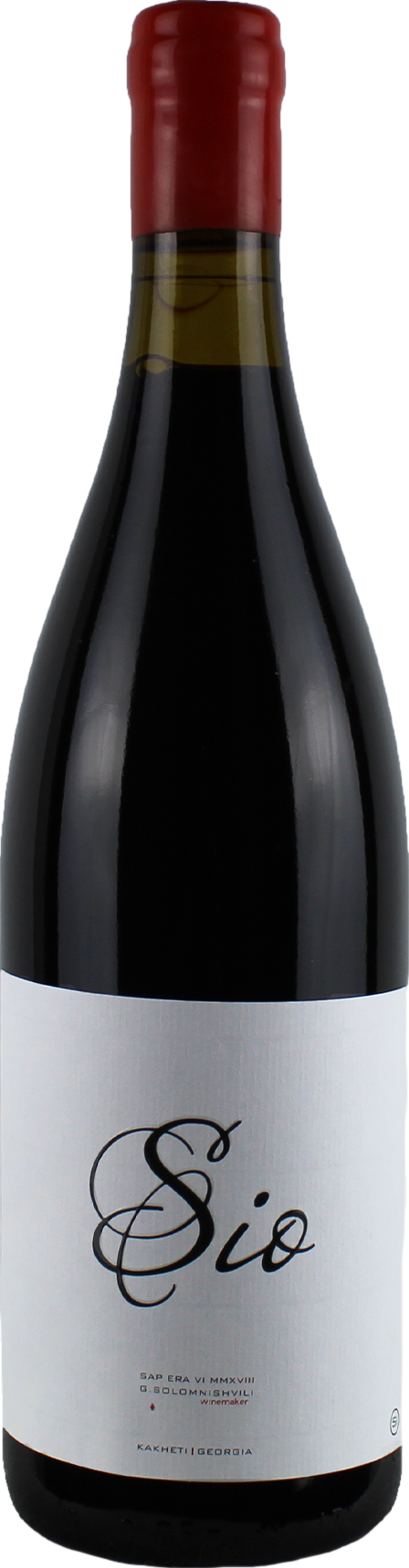
The Qvevri fermentation and Saperavi grape create a distinctive, earthy profile rarely found outside Georgia. A Georgian red wine made from Saperavi grapes grown in Kakheti's Alazani valley, fermented in traditional Qvevri (terracotta amphora) and aged 12 months in French oak.
Not ideal if Alcohol content may not suit all recipients.
Where to shop
Click any shop to preview what they offer.
A simple food hamper needs nothing from her beyond receiving it, which suits a moment when there's nothing to fix and nothing to ask of her.
UK
Browse Real Food HubQuietly, a small soap set offers comfort without requiring her to explain anything or perform being okay.
UK, US
Browse Scottish Fine SoapsChoosing a book with nothing she needs to finish or discuss means it can simply sit there until she's ready, no timeline attached.
UK
Browse Bookshop.orgQuestions people ask
What do you say to someone who's had a miscarriage?
Something short and specific beats something eloquent. 'I'm so sorry, I'm thinking of you' does more than a long message that tries to make sense of it. Avoid reasons, timelines, or comparisons to other losses. Let her lead on how much she wants to say back, and don't require a reply.
Is it appropriate to send flowers for a miscarriage?
Sometimes, but the specific flower matters more than usual. In Britain and in Ireland, white lilies are a classic funeral flower, and the codes differ elsewhere. A preserved or dried arrangement sidesteps the issue, since it isn't tied to funeral flower codes the way a fresh bouquet can be.
What should you not give someone after a miscarriage?
Anything baby-themed that assumes she wants the pregnancy marked visibly, like a memorial keepsake with a due date, unless you already know that's what she wants. Also skip anything deliberately cheerful or distracting, a spa voucher or a 'treat yourself' box, since it can read as a nudge to move on faster than she's ready to.
Should I acknowledge a miscarriage or wait for them to bring it up?
Acknowledge it, briefly and without pressure. Silence tends to get read as indifference, even when it's really fear of saying the wrong thing. A short message that names the loss once, without demanding a response, gives her the choice of how much further to take the conversation.
How soon after a miscarriage should you send a gift?
There's no fixed rule, but sooner tends to matter more than perfect. A brief acknowledgment in the first few days, followed by a second, smaller gesture three or four weeks later, covers both the acute moment and the quieter stretch after everyone else has stopped checking in.
What can I get for a partner grieving a miscarriage, not just the mother?
Partners are often left out of sympathy entirely, which compounds the isolation. A direct message acknowledging their loss too, not just their role in supporting her, matters more than any object. If you want to give something, keep it simple: a note, a meal, or time that doesn't ask them to hold everyone else together first.
You started this not knowing what to do, and that uncertainty was never a character flaw. It was the absence of a script nobody gave you. You don't need the perfect gesture. You need one honest enough that she feels less alone in something that's already lonely by nature. That's a smaller bar than the one you've probably been holding yourself to, and it's one you can clear today.
Euphora helps you find the right gift — with tailored recommendations, gift guides, and specialist retailers we've vetted ourselves.