The Sinterklaas Gift Guide: Getting the Surprise, the Poem, and the Budget Right
You've been invited into a tradition everyone else in the room has known since they were five. That's the strange position most people land in before their first Sinterklaas: excited to take part, quietly worried they'll miss a rule nobody thought to write down. This guide writes it down. By the end you'll know how the surprise and the poem actually work, what's normal to spend, and how the Zwarte Piet conversation has shifted, so you can walk into December 5th without the vertigo.
Top picks
Euphora earns a commission when you buy through these links, at no extra cost to you. How we're paid
- Ivory Mulberry Silk Cushion CoverShips internationally

Mulberry silk is one of the most premium natural fibres, known for its durability and lustrous finish. The handcrafted process ensures a unique, high-end product.
Not ideal if Silk requires gentle care, which may not suit all recipients.
View at Mayfairsilk · £39 - Sterling Silver Key Pendant Necklace with ZirconiaShips internationally

The key-shaped pendant stands out for its symbolic meaning and elegant design, combining sterling silver with zirconia for a touch of sparkle. The choice of finishes adds versatility.
Not ideal if Jewellery preferences vary; ensure the recipient enjoys delicate, symbolic pieces.
View at Hey Happiness · €34.90 - The Bear Who Never Sleeps - Personalised Children's BookShips across Europe
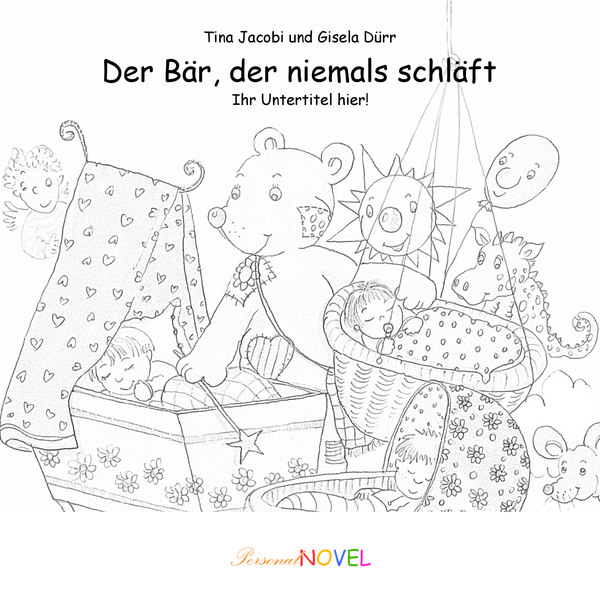
Unlike generic children's books, this story is personalised, making the child the star of the tale. The whimsical illustrations and heartwarming narrative create a unique, memorable experience.
Not ideal if Personalisation may limit resale or gifting to another child.
View at PersonalNOVEL · €19.99
Picked and ranked for fit to Sinterklaas. Written by Eudora, reviewed by Euphora's founder before publication. Full method: how we choose and rank.
Prices from the shops' feeds, 19 October 2026.
Netherlands
In the Netherlands, Sinterklaas is a gift evening of its own, not a warm-up act for Christmas, and many families keep both. December 5th, Pakjesavond, is the night that counts. What makes it a genuinely different system from a typical gift exchange is that the object you buy is only half the assignment. The other half, in many circles, is a handmade disguise around it, called the surprise, and a poem read aloud in front of everyone, called the gedicht. Not every family keeps both, so ask which ones yours expects before you skip either.
Belgium
Belgium is trickier to generalise about, and honesty matters more than a confident guess here. Flanders shares much of the Dutch tradition. How strictly it's observed, and what a Belgian household considers a normal budget or wrapping standard, isn't something we found solid research to state with confidence. If you're buying for a Belgian family, the safest move is the one that works in any unfamiliar tradition: ask your host what they actually do, rather than assuming the Dutch rules map over exactly.
The disguise is not decoration, it's the assignment. A bottle turned into a fake washing machine, a small box hidden inside a papier-mâché cheese wheel: these are the things people remember years later, long after the gift itself is forgotten. Budget real time for this — the construction effort is what people remember, far more than what you spent.
Netherlands
The gedicht is not a card, it's a performance. When a poem comes with the gift, it is often read aloud to the group, and gentle teasing is a common tone: something true and slightly embarrassing about the recipient's year. Structure is loose. Poems often rhyme and speak as Sinterklaas himself, addressing the recipient directly. If you don't know the person well enough to tease them fairly, ask someone who does for one true, specific detail: a habit, a small disaster, an inside joke from the office. Build the whole poem around that single detail rather than writing something generic enough to apply to anyone at the table. Some circles prefer a warm poem to a teasing one, so ask which this group keeps.
Pakjesavond
Gifts arrive in their surprise disguise with the poem attached, and are opened immediately, in front of the giver, while the poem gets read aloud first. Setting a gift aside to open later is considered rude, not polite restraint.
Lootjes trekken
Whoever draws your name has done this every year of their life and wants a puzzle and a tease more than a flattering gift. Fairness inside the agreed budget matters more than generosity beyond it.
Dutch frugality here is not stinginess, it's a value. 'Doe maar normaal, dan doe je al gek genoeg,' just act normal, that's already crazy enough, sums up an entire attitude toward gifts that show off. A visibly expensive or heavily branded present in a casual gift circle tends to create discomfort, not delight. Spend the effort on the poem and the disguise. Spend the money conservatively.
Schoen zetten
The shoe goes by the fireplace or front door, with a carrot or hay for Sinterklaas's horse and often a drawing for Sint. In the morning, small treats have appeared. It's a nightly ritual with its own small suspense, distinct from the adult gift exchange on the 5th.
Netherlands
Zwarte Piet has changed, and it's still changing. Most major Dutch cities now use Roetveegpiet, a soot-smudged version explained as chimney soot rather than blackface, and traditional depictions have become largely confined to smaller towns, where the debate is far from settled. If you're new to a family or a region, this isn't a topic to raise with confidence in either direction. Ask quietly beforehand, or follow the household's lead, rather than bringing an outsider's judgment to a conversation still working itself out inside Dutch and Belgian families.
Ask before you skip the poem. Some Dutch families treat the gedicht, a short personal poem, as part of every gift, while others give without one.
If you're thinking of adding flowers, ask a local florist which ones suit a Sinterklaas evening, however nice a bouquet looks in a shop display.
Don't set a gift aside to open later. Sinterklaas gifts get opened immediately, in front of the giver, after any poem that comes with them is read. Waiting reads as disinterest, not politeness.
If a host says 'no gifts,' believe them. Dutch hosts mean it literally. Showing up with one anyway isn't generous, it's a small misread of the room.
Avoid traditional blackface-style Zwarte Piet imagery on any gift, costume, or wrapping. It's a live and contested national issue, and using it risks real offense regardless of where a given family privately stands on the debate.
More ways to say 'I see you'
More ways to show you've been paying attention — different angles on the same thoughtful instinct.
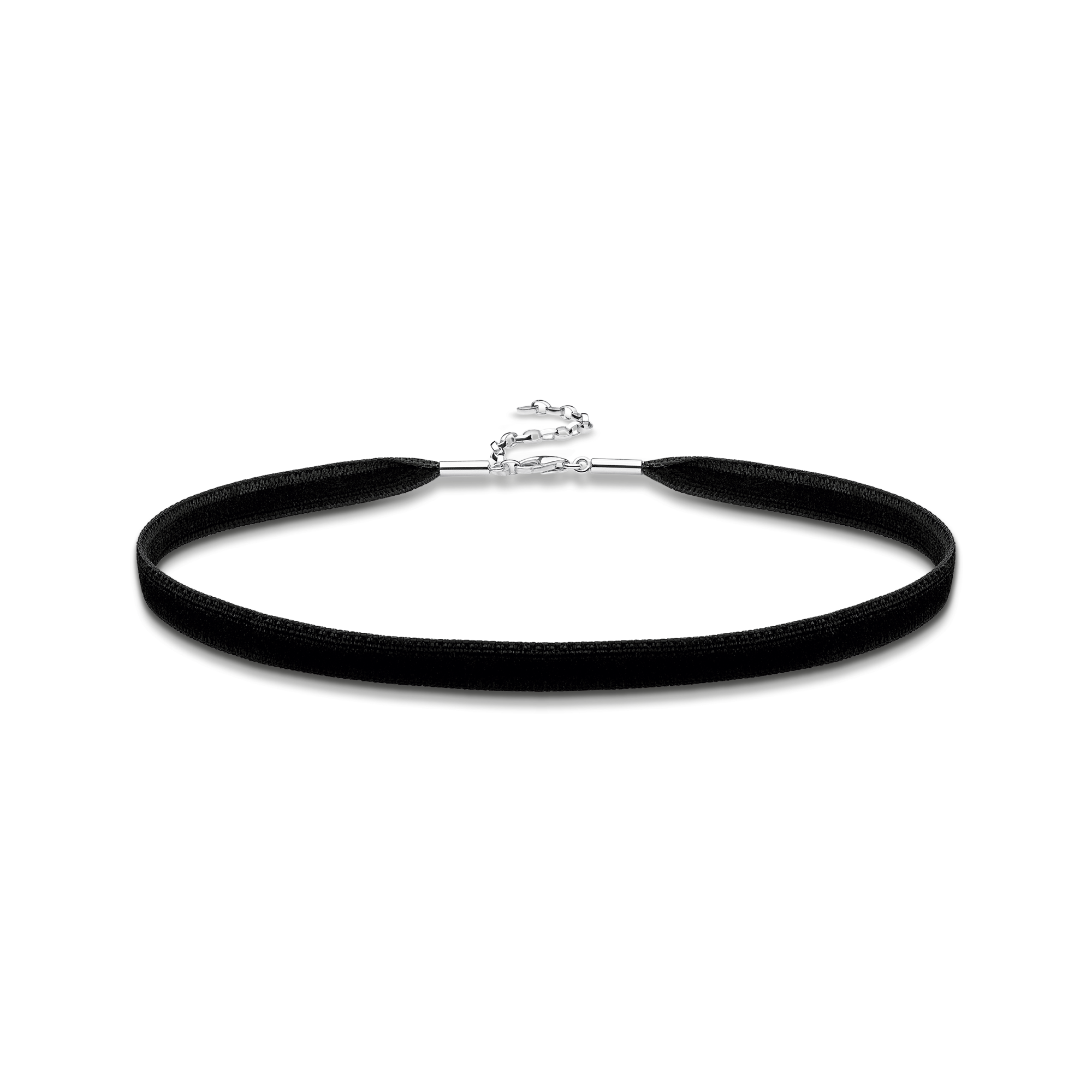
The velvet choker and customisable pendants set it apart from generic necklaces, offering a unique, personalised accessory that reflects the recipient’s style.
Not ideal if The bold style may not suit all tastes, and the velvet material could require occasional maintenance.

Stands out with its reusable porcelain cup, which adds long-term value beyond the candle itself. The matte-glazed design and engraved stripes give it a modern, sophisticated look.
Not ideal if Fragrance preferences are subjective; the recipient may not love the chosen scent.
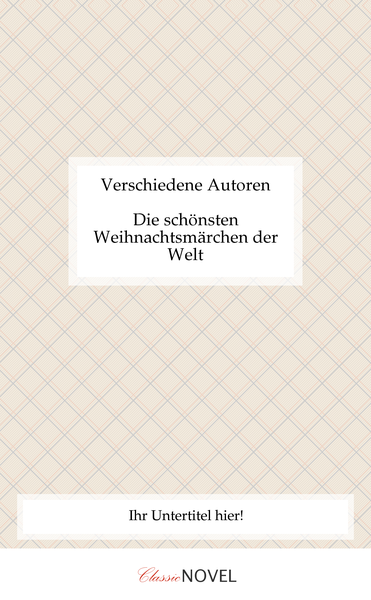
Unlike generic holiday books, this collection spans global traditions, offering a rich tapestry of stories from different cultures and time periods. Its hardcover presentation and timeless content make it a keepsake.
Not ideal if May not appeal to recipients who prefer modern or non-fiction literature.
Know the rules now, but still not sure what to actually put inside the surprise? Tell us who you're shopping for and we'll match something to their budget and your relationship.
AI reads what you write; our code then picks the gifts. How it works
Where to shop
Click any shop to preview what they offer.
A single stud or minimalist piece from the lower end of their range keeps a Sinterklaas gift small and thoughtful without abandoning the tradition's built-in frugality.
Ships worldwide
Browse Hey HappinessWrapped inside a disguised surprise package, a bottle plays along with the tradition's real spectacle — an elaborate hiding, not an expensive gift.
Ships across Europe
Browse 8wines UKOne of their everyday oils, rather than a full hamper, respects the frugality that Sinterklaas gifting still expects even from adults.
Ships worldwide
Browse TruffleHunterQuestions people ask
How do you write a Sinterklaas poem?
Open with a traditional line like 'Sinterklaas is weer in het land' or something similar, then get to the specific, teasing detail fast. The poem's job is to land one true joke about the recipient's year — the compliment can wait. Sincere praise belongs in a birthday card, not here.
What is a Sinterklaas surprise, and how do you make one?
A surprise is a handmade disguise built around the real gift, usually papier-mâché, a repurposed shoebox, or layered tape, shaped to reference something specific about the recipient's year: a hobby, a habit, a running joke. Construction time matters more than materials cost, and the theme should tie directly to the person, not be generic.
How much do you spend on Sinterklaas gifts?
Casual circles land between €10 and €25 per person; close family can stretch to €50. Many groups use a splitting app like Tikkie to keep contributions exact — a completely normal, unremarkable habit here. What's unusual to newcomers is that going noticeably over the agreed number is the misstep, not going right up to it.
What are good surprise ideas for adults?
Build the disguise around something true about the person's year: a coffee habit, a broken bike, a new hobby picked up in the spring. The disguise itself, not the gift inside it, is usually what people bring up again the following December.
At what age does a family stop celebrating Sinterklaas?
There's no fixed age. Many Dutch families keep some version going well into adulthood, just shifting from shoe-and-carrot to lootjes-and-poems as children grow up. The tradition tends to evolve rather than end.
What is the Sinterklaas gift-giving tradition and how does it work?
Sinterklaas is a Dutch and Belgian tradition. In the Netherlands it centres on December 5th, Pakjesavond, when gifts may come in a handmade disguise called a surprise, sometimes with a teasing poem called a gedicht. Belgian children find their gifts on the morning of December 6th instead. Dutch adults typically draw names, lootjes trekken, and buy one gift within an agreed budget; children set out a shoe nightly from mid-November for small treats. The craft and the poem matter as much as the gift itself.
The vertigo fades fast. Once you've built one disguise that took real effort and read one poem that made the room groan and laugh at the same time, you're not performing the tradition anymore, you're just in it. That's usually the moment someone says you finally get it, and they mean it as the compliment it is.
Euphora helps you find the right gift — with tailored recommendations, gift guides, and specialist retailers we've vetted ourselves.